
Decline in Shipping Traffic through Hormuz Raises Global Economic Concerns
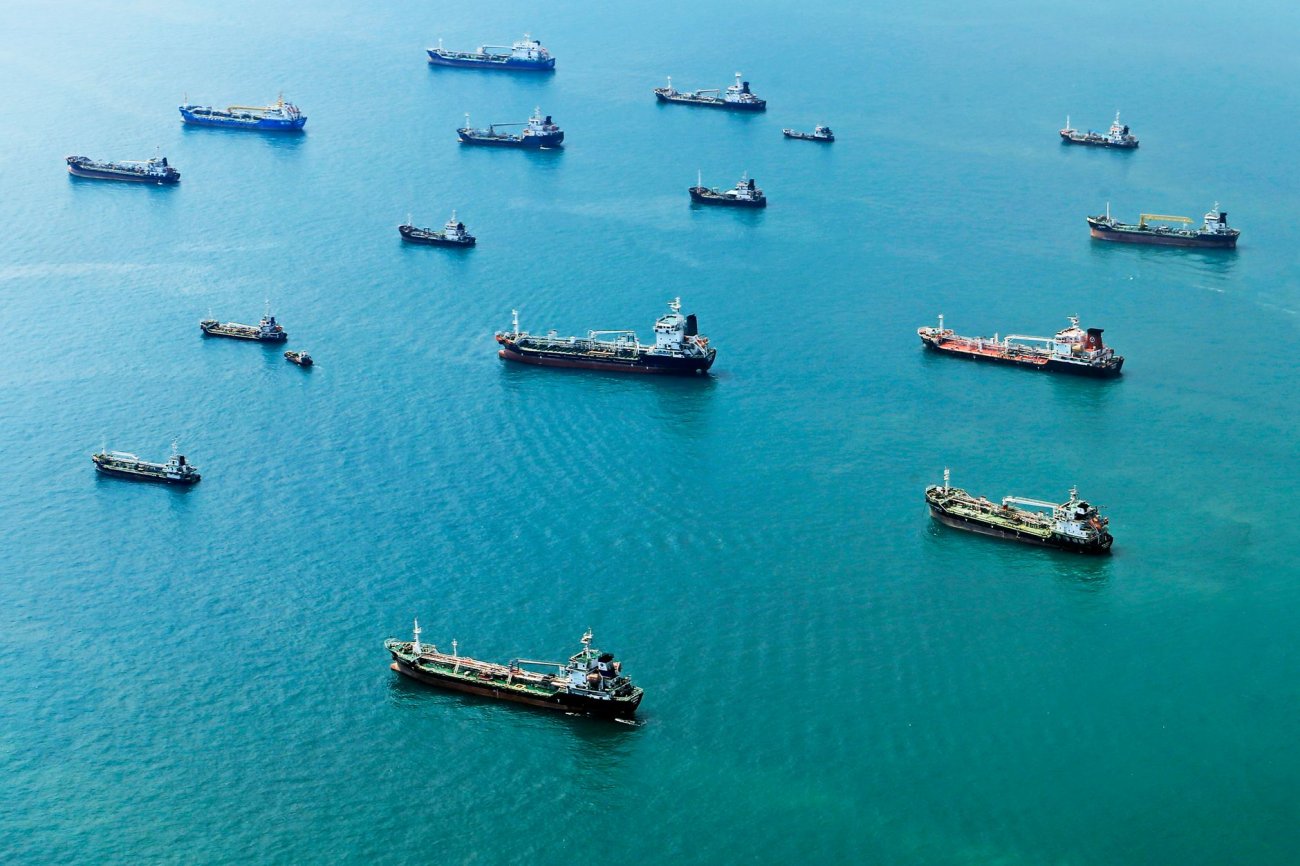
The recent series of strikes in the Strait of Hormuz have led to a significant decline in shipping activity through one of the world's most crucial maritime routes, raising alarms about potential disruptions to global energy supplies and economic stability. According to data from maritime tracking agencies, the number of ships navigating the strait, including those carrying vital oil and gas supplies, has markedly decreased since the escalation of hostilities earlier this week.
Historically, the Strait of Hormuz has been a vital chokepoint for global oil shipments, with nearly 20% of the world's petroleum transiting through the narrow waterway daily. The recent attacks, however, have prompted many vessels to seek alternative routes, a move that experts warn could lead to increased shipping costs and delayed deliveries. "The security of the Strait of Hormuz is paramount not only for regional stability but also for the global economy," stated U.S. Secretary of State Marco Rubio, underscoring the importance of maintaining open and secure lines of maritime transit.
The current situation has also highlighted the vulnerability of global supply chains, with potential ramifications extending to developing nations, including those in Africa, which could face increased costs for energy imports. The International Energy Agency (IEA) has cautioned that prolonged disruptions could lead to volatility in global oil markets, with prices possibly spiking if tensions are not swiftly resolved. "We are closely monitoring the situation and are prepared to coordinate a response if necessary," an IEA spokesperson remarked, stressing the need for international cooperation in addressing the security challenges.
Furthermore, the reduced traffic in the Strait of Hormuz has affected not only oil shipments but also the transport of liquefied natural gas (LNG) and other cargo. This has added to the supply chain challenges already compounded by geopolitical tensions and the lingering impacts of the COVID-19 pandemic. Analysts warn that prolonged instability in the region could lead to broader economic repercussions, affecting everything from energy prices to shipping insurance rates globally.
As the situation unfolds, stakeholders are urging for diplomatic solutions to ease tensions and ensure the safety of maritime operations in the region. The international community is watching closely, with the United Nations calling for restraint and dialogue to prevent further escalation. The coming weeks will be critical in determining whether the current disruption is a temporary setback or a precursor to more enduring economic challenges on the global stage.




Comments
No comments yet — be the first.