
Jet Fuel Shortages Threaten Global Summer Travel Plans
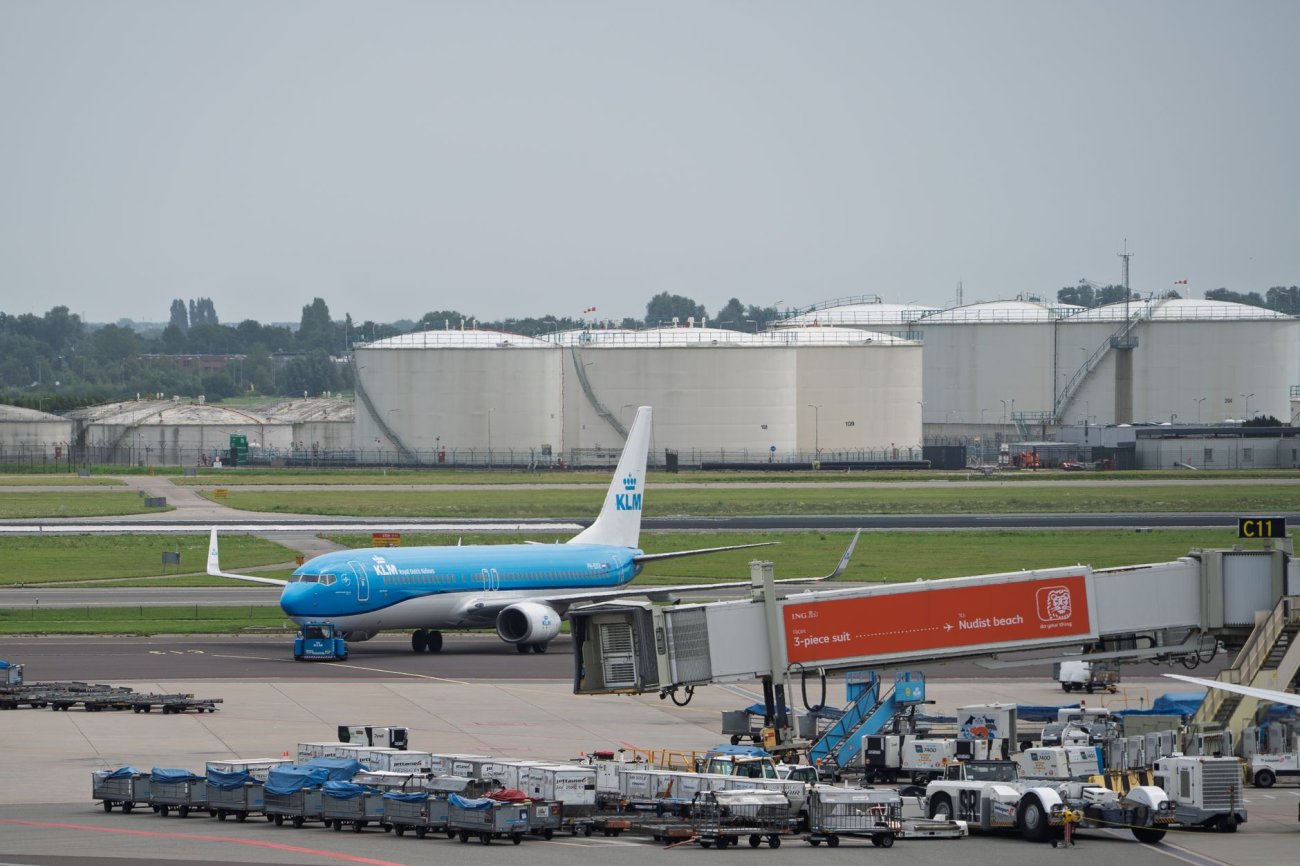
As the peak summer travel season approaches, a looming shortage of jet fuel is causing concern among airlines and travelers worldwide. The scarcity, driven by disrupted supply chains and escalating fuel demand, could significantly impact global travel, affecting holiday plans and potentially driving up ticket prices. Industry experts warn that if the issue isn't addressed swiftly, it could result in widespread flight cancellations and delays.
The International Air Transport Association (IATA) has sounded the alarm on the potential fallout of these shortages. "We are facing unprecedented challenges in securing adequate jet fuel supplies for the summer season," stated Willie Walsh, IATA's Director General. He emphasized that immediate action is needed to stabilize the supply chain and prevent disruption. According to IATA, global air traffic is projected to rise by 8% this year, heightening the pressure on fuel resources.
In the United States, President Donald Trump's administration is closely monitoring the situation. Transportation Secretary Pete Buttigieg remarked, "We are working with industry stakeholders to explore every possible avenue to mitigate the impact of jet fuel shortages. Our priority is to ensure that travelers are not left stranded and that airlines can operate smoothly." He noted that the U.S. government is considering strategic fuel reserves as a temporary measure to alleviate the shortage.
In the United Kingdom, the situation is equally concerning. Prime Minister Keir Starmer's government is engaging with European partners to secure alternative fuel sources. The UK Department for Transport has indicated that discussions are underway with major fuel suppliers to address the crisis. "Our goal is to keep the skies open for British travelers," Transport Secretary Chris Heaton-Harris stated in a recent briefing.
Airlines are responding by recalibrating their operations. Some carriers are reducing the number of flights or adjusting schedules to prioritize routes with higher demand. Additionally, airlines are exploring measures such as increasing fuel efficiency and optimizing fleet operations to conserve resources. Industry analysts suggest that these strategies could mitigate some of the disruption, but they caution that the fundamental issue of fuel supply remains unresolved.
The ripple effects of this shortage may extend to African and other developing nations, where air travel is critical for tourism and economic connectivity. Flight disruptions could hinder business travel and tourism, sectors that are still recovering from the impacts of the COVID-19 pandemic. The African Airlines Association (AFRAA) has urged global cooperation to ensure equitable fuel distribution and prevent disproportionate impacts on less developed regions.
Looking forward, the aviation industry is calling for long-term solutions to prevent future shortages. This includes increased investment in sustainable aviation fuels, which could reduce dependency on traditional jet fuel. The challenge, however, lies in scaling up production and distribution of these alternative fuels to meet growing global demand.
As the world watches and waits, the coming weeks will be critical in determining how the jet fuel shortage will play out. The response from governments, fuel suppliers, and airlines will be pivotal in shaping the travel landscape this summer. Stakeholders continue to stress the urgency of coordinated efforts to resolve the crisis and ensure that travelers can enjoy their holidays without disruption.




Comments
No comments yet — be the first.