
India's Gen Z Harnesses Digital Tools to Challenge Modi's Media Dominance
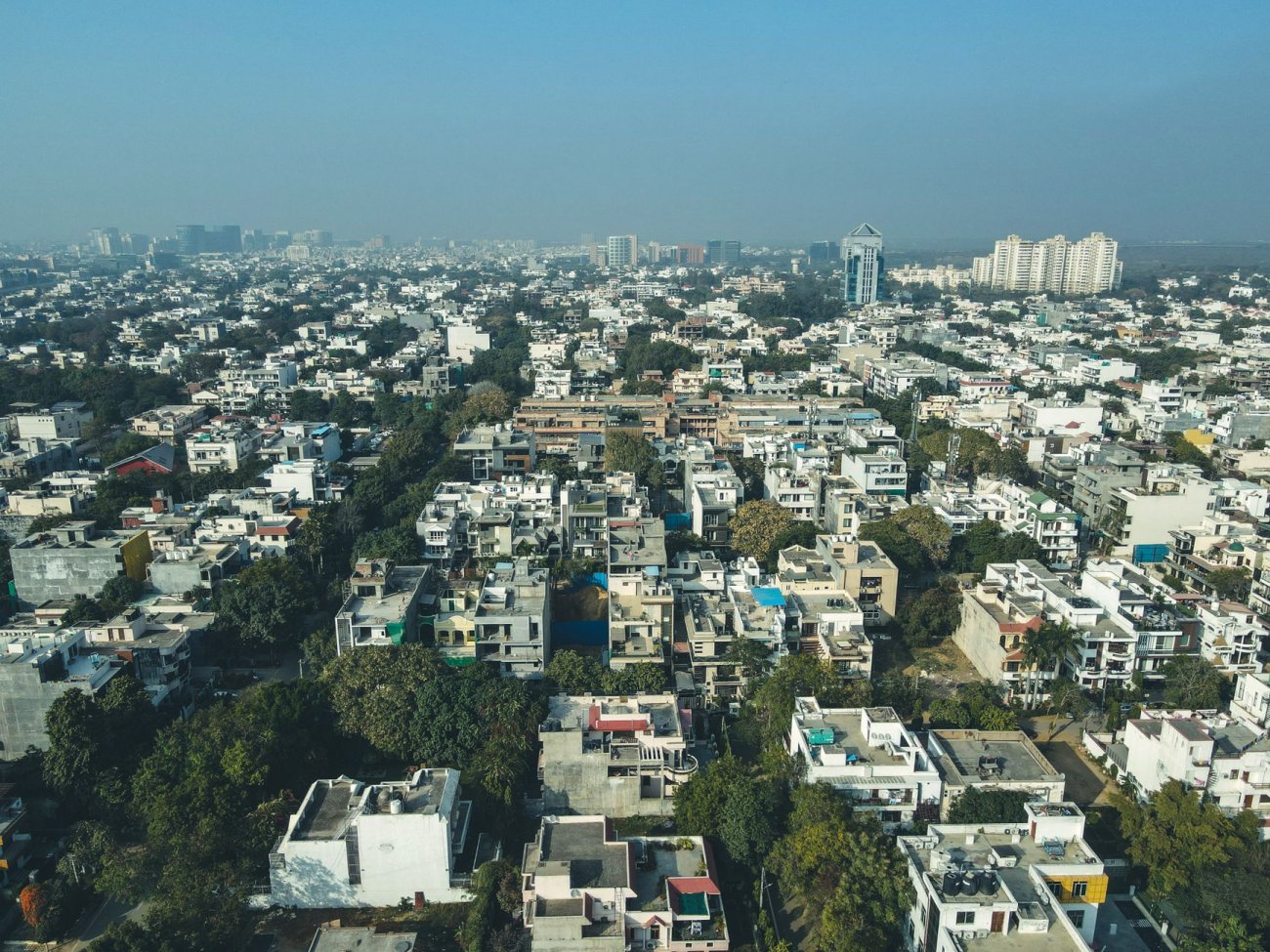
In a striking demonstration of digital prowess, India's Generation Z is challenging Prime Minister Narendra Modi's media control through a burgeoning protest movement that leverages social media platforms to circulate videos and memes. This wave of activism represents a significant shift in the narrative landscape of India, where Modi's government has long maintained a tight grip on traditional media channels.
The protests, sparked by a series of controversial governmental policies perceived to restrict freedoms, have seen young Indians taking to platforms like Twitter, Instagram, and TikTok to voice their dissent. The movement highlights a generational divide, as tech-savvy youth employ innovative digital tools to bypass traditional media barriers. According to a report by the Internet and Mobile Association of India, over 65% of India's population is under the age of 35, making this demographic's engagement on social media particularly impactful.
Prime Minister Narendra Modi has previously been lauded for his adept use of social media in cultivating a public persona. However, the current protests are eroding this carefully constructed image as young activists redefine the narrative. "The youth of India are proving incredibly resourceful in using the digital space to express their dissatisfaction," said Arvind Gupta, a former head of the BJP's information technology cell. "It is imperative for political figures to engage with these new dynamics."
This digital uprising comes as India continues to grapple with economic challenges and social unrest. The youth-led movement underscores the growing discontent among India's younger population, who are increasingly disillusioned with the government's perceived inaction on critical issues such as employment and education reform. According to the Centre for Monitoring Indian Economy, the unemployment rate for young adults has risen to over 28% in urban areas.
"The power of social media lies in its ability to amplify voices that have traditionally been marginalized," remarked Apar Gupta, Executive Director of the Internet Freedom Foundation, a digital rights advocacy group. "As these platforms continue to grow, they will play an essential role in the civic and political engagement of young Indians."
The implications of this digital protest movement extend beyond India, as it highlights a broader trend of youth-driven activism in developing nations, where digital literacy is rapidly expanding. Governments across Africa and Asia are observing these dynamics closely, understanding that similar disruptions could arise as young people become more connected and politically engaged.
While the Indian government has attempted to counter this digital insurgency through increased regulation and censorship efforts, the decentralized nature of the internet presents significant challenges. As a result, the future of media control in India remains uncertain, with potential ripple effects that could influence global perceptions of digital freedom and youth activism.



Comments
No comments yet — be the first.