
Escalating Tensions: U.S. and Iran Trade Blows Amid New Regional Strife
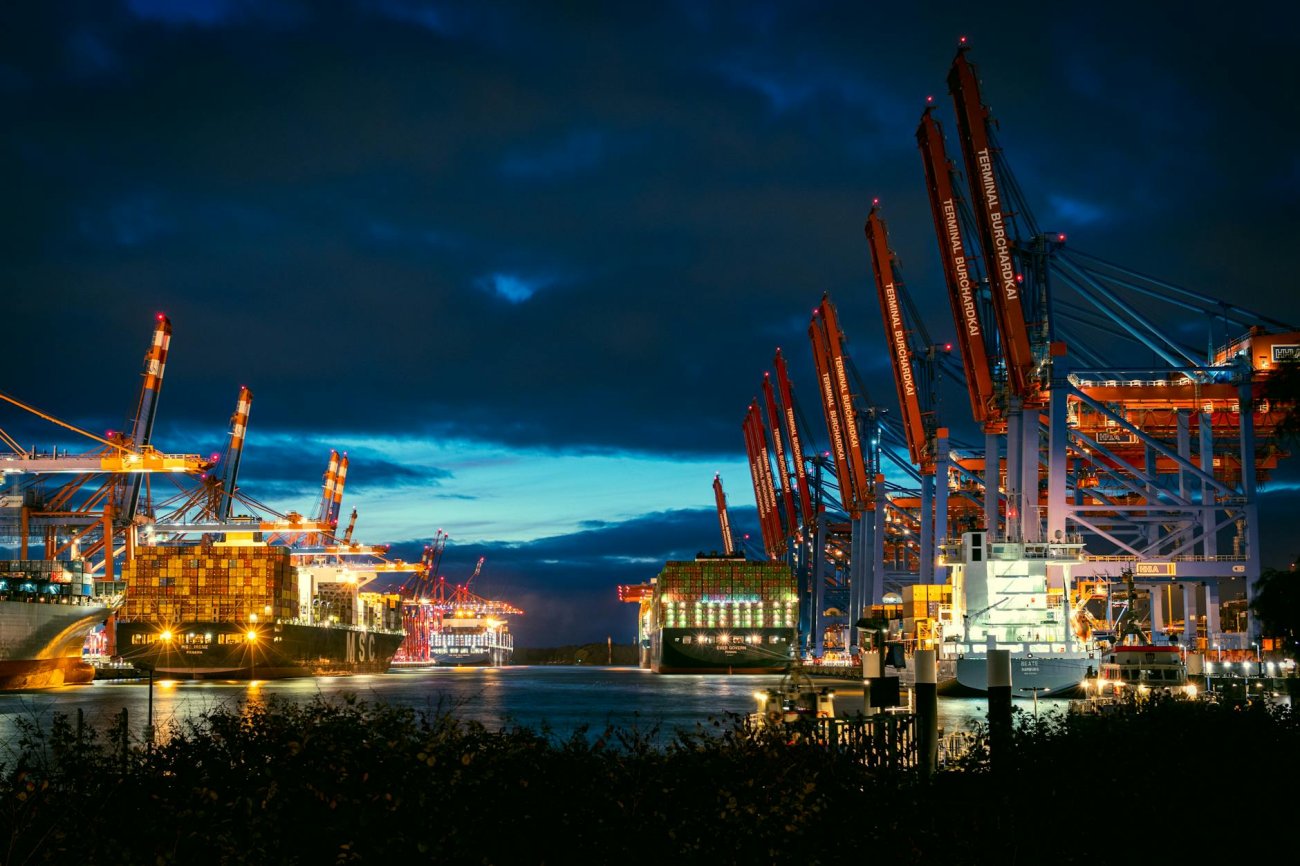
The ongoing conflict between the United States and Iran has escalated dramatically as both nations engage in a series of military exchanges affecting the Middle East's stability. Following the recent series of Iranian strikes targeting U.S. military installations in Jordan, the United States has intensified its military response, launching the tenth consecutive night of airstrikes against Iranian targets, including strategic locations in Bandar Abbas, Qeshm Island, Chabahar, and Konarak.
U.S. Secretary of Defense Pete Hegseth emphasized the necessity of these actions, stating, "The safety of our personnel and our allies remains our top priority. We will respond decisively to any aggression against American forces." This sentiment was echoed by U.S. Secretary of State Marco Rubio, who reiterated that the U.S. remains committed to protecting its interests and those of its allies in the region.
This latest bout of violence has heightened fears of a larger regional conflict, with the potential to disrupt global oil supplies and impact international markets. The Strait of Hormuz, a critical passage for a significant portion of the world's petroleum, lies perilously close to the areas of recent military activities. Fluctuations in oil prices could have a cascading effect on global economies, particularly affecting developing nations that are already grappling with economic challenges.
Tehran, on the other hand, has accused the U.S. of provocation. Iranian Foreign Minister Hossein Amir-Abdollahian condemned the U.S. airstrikes, calling them "acts of aggression" and warning of severe consequences for regional stability. "Iran will not stand idly by while our sovereignty is threatened," he declared in a statement released by the Iranian Foreign Ministry. This rhetoric is consistent with Iran's longstanding position of deterrence and defense against foreign intervention.
The conflict's repercussions extend beyond the immediate region, posing challenges for international diplomacy and security. The United Nations Security Council is reportedly preparing to convene an emergency session to address the situation, amidst calls from global leaders for restraint and dialogue. Many fear that these hostilities could draw in other regional powers, complicating diplomatic efforts to broker peace.
Africa and other developing regions are particularly vulnerable to the economic fallout. The continent's heavy reliance on Middle Eastern oil means that any sustained conflict could disrupt supplies, exacerbate inflation, and strain already limited resources. Moreover, increased defense expenditures by regional states could divert funds away from vital infrastructure and development projects.
As the situation unfolds, the international community will be closely monitoring developments, with hopes for a de-escalation of hostilities. Diplomatic efforts and interventions by key world powers may play a crucial role in finding a peaceful resolution to the conflict, which continues to pose significant risks to global security and economic stability.



Comments
No comments yet — be the first.