
Bolivia Faces Unprecedented Protests as Citizens Demand Change from Conservative Leadership

Amid escalating unrest, Bolivia is grappling with a series of protests that have paralyzed the country, fueled by widespread dissatisfaction with the new conservative administration. Following two decades of leftist governance, many Bolivians who initially supported President Luis Arce are now expressing their discontent, calling for his removal amid claims that his policies have negatively impacted their lives.
In 2020, Bolivia transitioned from the leftist Morales administration to a more conservative leadership under President Arce, a member of the Movement for Socialism party. Initially, this shift was met with optimism as many hoped for economic stabilization and a reduction in political polarization. However, over the last year and a half, dissatisfaction has grown as citizens face rising prices, increased unemployment, and stagnant wages, which are starkly contrasting the promises made during the election campaign.
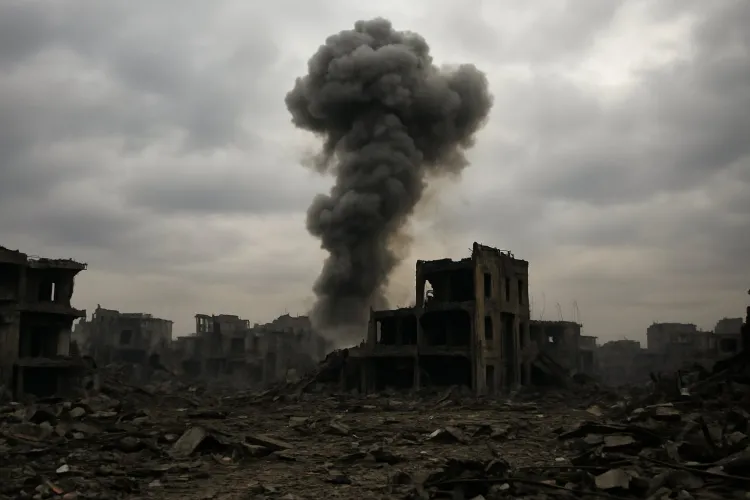
Recent protests have been primarily driven by economic grievances. Reports indicate that fuel prices have surged, and basic commodities have become unaffordable for many families. The unrest, characterized by large-scale demonstrations and road blockades, reflects a broader frustration with the government's inability to address these pressing issues. Many demonstrators accuse Arce of betraying the working class and failing to uphold the values of the socialist agenda that previously benefitted numerous Bolivians.
Indigenous communities, which played a pivotal role in the rise of Morales, are at the forefront of these protests. They are calling for greater representation and acknowledgment of their rights, feeling increasingly marginalized under the current administration. The intersection of economic hardship and ethnic identity politics has added a complex layer to the unrest, highlighting long-standing inequalities that remain unresolved.
The international community has been closely monitoring the situation in Bolivia, with human rights organizations expressing concern over potential governmental crackdowns on peaceful protests. The unrest in Bolivia serves as a reminder of the fragility of democracy in the region, and the potential for similar movements to emerge in other developing countries where economic and political disillusionment is rife.
In Africa and other developing nations, the events in Bolivia resonate deeply, as many countries grapple with similar issues of governance, economic disparity, and social unrest. The Bolivian protests could serve as both a cautionary tale and a source of inspiration for those fighting for change in their own nations.
As protests continue, the future of Arce's administration hangs in the balance. The government has vowed to engage in dialogue with protesters, but skepticism remains high among demonstrators. Observers suggest that Arce's ability to address the underlying economic issues will be crucial in determining whether he can quell the unrest or if calls for his resignation will intensify.
In the coming weeks, the Bolivian government faces a critical juncture as it navigates these challenges. The outcome of this unrest could have lasting implications not only for Bolivia but also for other nations in the region and beyond, particularly as citizens in developing countries increasingly demand accountability and reform from their leaders.




Comments
No comments yet — be the first.