
Japan's New Visa Rules Threaten Stability of Curry Shops Amid Immigration Crackdown
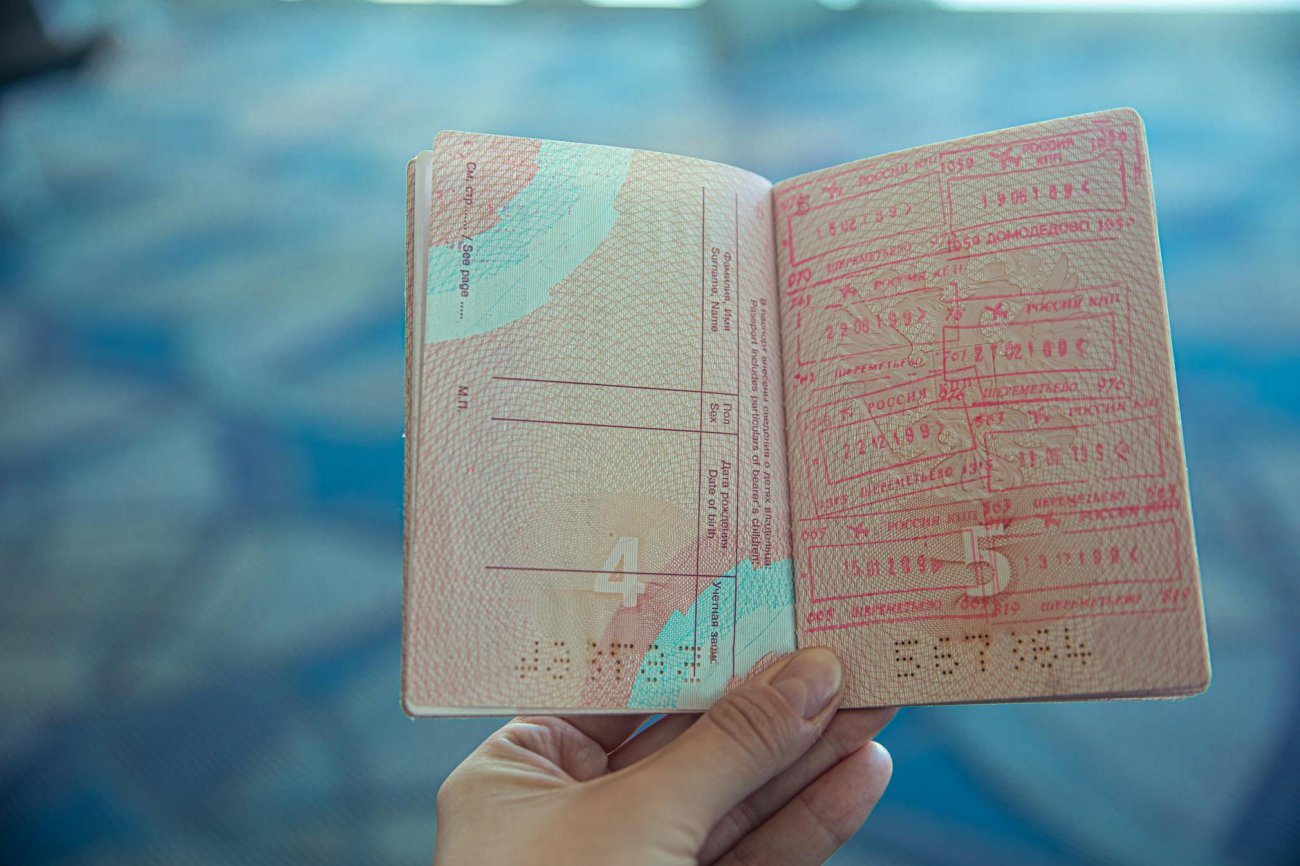
Japan's curry shop industry is confronting an unprecedented challenge as the administration of Prime Minister Sanae Takaichi enforces stringent new visa regulations, compelling various foreign business owners to consider their futures in the country. The amended immigration policies, which took effect in early 2026, have targeted foreign nationals operating small businesses, particularly in the food sector, and have ignited significant discourse regarding their impact on Japan's culinary landscape and cultural diversity.
The introduction of these visa reforms is part of a broader governmental strategy to recalibrate immigration procedures, ensuring tighter control and prioritizing skilled labor entry. According to the Ministry of Justice, the measures will primarily affect short-term residency permits, making it considerably more challenging for foreign entrepreneurs to gain or renew their visas unless they meet stringent requirements. These changes have drawn criticism from those who argue that the policy disproportionately affects small business proprietors who contribute to Japan’s economy and cultural richness.
A pivotal component of the controversy is the fate of numerous Indian and South Asian curry shop operators who have established a significant presence across Japan. These entrepreneurs, many of whom have resided in Japan for decades, are now grappling with uncertain futures. "The new rules impose a heavy burden on small business owners who have been part of our community for years," said Taro Kono, former Minister for Foreign Affairs, acknowledging the contributions of immigrant communities to Japan’s economy. Prime Minister Takaichi, however, has defended the policy as necessary for national interests, stating, "Our priority is to ensure that Japan remains competitive in attracting the best talent worldwide while maintaining control over our immigration processes."
The impact on the curry shop industry is profound. The National Federation of Small Business Associations reports that Japan hosts over 6,000 curry restaurants operated by foreign nationals, generating substantial economic activity and cultural exchange. However, the new visa stipulations necessitate proof of financial viability and compliance with stringent business operation standards, which many small businesses find difficult to meet. The potential closure of these establishments poses not only an economic threat but also risks eroding the multicultural fabric that has enriched Japan's food culture.
As Japan navigates the effects of its immigration overhaul, neighboring countries and developing nations are observing the outcomes closely. The situation in Japan is emblematic of broader global trends toward immigration control, posing questions about the balance between economic needs and cultural integration. "The experiences of immigrant communities in Japan provide valuable lessons for other nations considering similar policies," noted António Guterres, Secretary-General of the United Nations, highlighting the importance of inclusive policy frameworks that recognize the benefits of diversity.
Despite the challenges, there is a growing movement advocating for policy reconsideration. Political commentators argue that a more nuanced approach could safeguard economic interests while embracing cultural contributions from immigrant entrepreneurs. The debate continues to unfold as policymakers, business owners, and community leaders grapple with finding solutions that align with both national priorities and the global ethos of cultural inclusivity.





Comments
No comments yet — be the first.