
Houthis Threaten to Escalate Iran Conflict with Red Sea Blockade

The Yemeni Houthi movement has vowed to intensify the ongoing conflict in the Middle East by imposing a partial blockade on the Red Sea, targeting Israeli shipping routes. This announcement has heightened tensions in an already volatile region, with significant implications for international trade and regional security. The Houthis, who have long been supported by Iran, made the declaration amidst escalating hostilities in the region.
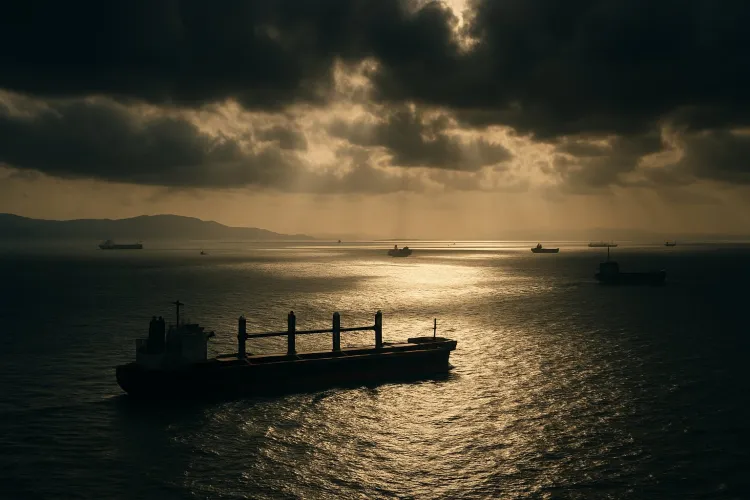
The Houthis' threat to block Israeli vessels in the Red Sea marks a new phase in the conflict, potentially disrupting one of the world's busiest maritime corridors. The strategic waterway facilitates the transport of goods between Europe and Asia, and any obstruction could have widespread economic repercussions. "This move is a direct threat to maritime security," stated Israeli Prime Minister Benjamin Netanyahu. "We will take all necessary measures to ensure the safety of our shipping routes."
The potential blockade comes as Iran faces heightened scrutiny over its regional activities, following increased tensions with the United States and its allies. The U.S. State Department has condemned the threats, emphasizing the need for freedom of navigation in international waters. Secretary of State Marco Rubio expressed concerns about the economic impact, noting that "any disruption in the Red Sea would not only affect regional stability but also global markets."
Historically, the Red Sea has been a flashpoint for maritime conflicts, with past blockades impacting oil prices and international shipping. The current situation raises fears of similar economic disruptions. According to the International Chamber of Shipping, about 10% of global trade passes through the Red Sea, underlining its significance in global commerce. The potential impact on energy markets could be particularly severe, as the region is a critical artery for oil and gas shipments.
In the context of Africa and developing nations, the blockade could exacerbate existing economic challenges by increasing shipping costs and delaying the delivery of essential goods. Many African countries rely on imports transported through the Red Sea, and any increase in logistical expenses could ripple across their economies. The regional implications also extend to food security, as many nations in the Middle East and Africa depend on imports facilitated through this route.
As the situation unfolds, the international community is closely monitoring the actions of Iran and the Houthis. The United Nations has called for restraint, urging all parties to engage in dialogue to prevent further escalation. The potential for a broader conflict involving multiple nations remains a significant concern, particularly given Iran's strategic interests in the region. The Houthis' new tactic highlights the complex interplay of regional politics and global trade, with far-reaching consequences.
Observers are watching for any signs of diplomatic intervention that might avert a full-scale crisis. The role of regional powers such as Saudi Arabia and Egypt will be crucial in mediating the situation. With no immediate resolution in sight, the Red Sea remains a focal point of international attention, as nations weigh their responses to the latest developments in this high-stakes geopolitical arena.




Comments
No comments yet — be the first.