
Tropical Storm Bertha Looms Over US Gulf Coast, Raises Concerns for Vulnerable Regions
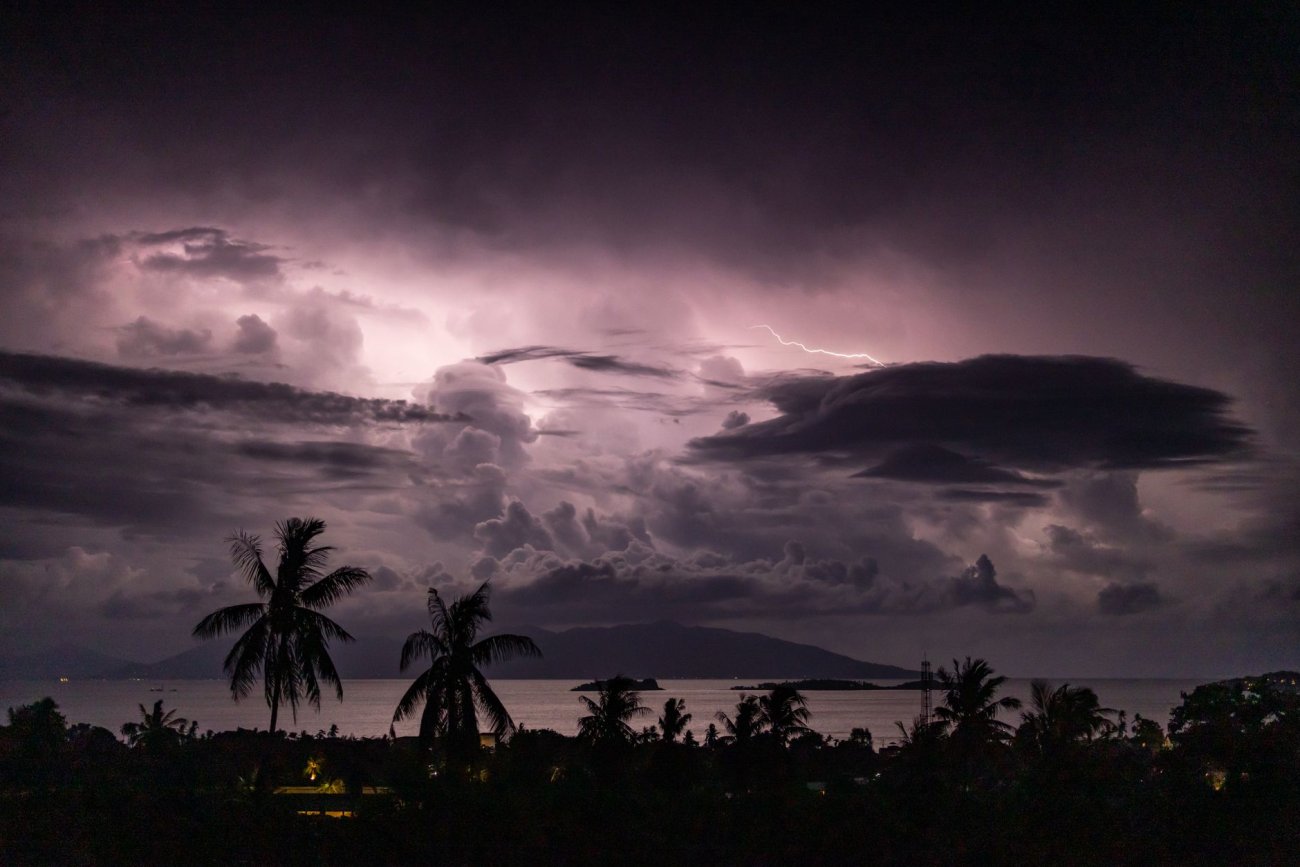
Tropical Storm Bertha is intensifying as it approaches the United States Gulf Coast, threatening to bring significant weather disturbances, including storm surges reaching up to four feet along parts of Louisiana and Mississippi. The National Hurricane Center (NHC) has issued warnings that Bertha, currently carrying sustained winds of 60 mph, could impact coastal communities starting Monday, with the potential for flooding in low-lying areas.
The threat posed by Bertha has prompted emergency management officials in affected states to urge residents to prepare for the storm's impact. Mississippi Governor Tate Reeves stated, "Our top priority is ensuring the safety of our citizens. We are coordinating with local agencies to facilitate evacuations and provide necessary resources." The state has activated its emergency operations center as part of these preparations.
As the Atlantic hurricane season progresses, Bertha's development underscores the increasing challenges posed by climate change, which scientists say is leading to more intense and frequent storms. According to the National Oceanic and Atmospheric Administration (NOAA), the US has already experienced a record 23 named storms this season, a trend that experts attribute to rising ocean temperatures and shifting atmospheric conditions.
In a broader context, the impact of such severe weather events is not confined to the United States. Developing nations, especially those in Africa and the Caribbean, face heightened vulnerabilities to climate-induced disasters, often lacking the infrastructure and resources to mount effective responses. The World Meteorological Organization (WMO) has emphasized the need for increased global cooperation and investment in climate resilience. WMO Secretary-General Petteri Taalas remarked, "Strengthening global climate resilience is essential. We need to ensure that no country, regardless of their economic status, is left behind in this fight against climate change."
As Bertha continues its path, forecasters are closely monitoring its trajectory and potential to intensify further. The NHC has cautioned that the storm could bring heavy rainfall, which might exacerbate flooding risks in already saturated areas. Local authorities are working to distribute sandbags and provide shelters for those in flood-prone regions. Residents are advised to stay informed through official channels and heed evacuation orders when issued.
In the coming days, attention will also be directed toward the storm's economic implications, particularly for the energy sector concentrated in the Gulf Coast. Disruptions to offshore oil and gas operations, critical components of the regional economy, could have ripple effects on global markets, highlighting the interconnectedness of climate events and economic stability.
With Bertha serving as a reminder of the pervasive impact of climate change, international leaders and policymakers continue to call for urgent action. The United Nations Framework Convention on Climate Change (UNFCCC) is scheduled to convene later this year, where member countries are expected to discuss enhanced commitments to mitigate climate risks and support sustainable development initiatives worldwide.





Comments
No comments yet — be the first.