
Climate Change Spurs Early Mosquito Biting Patterns, Raising Global Health Concerns
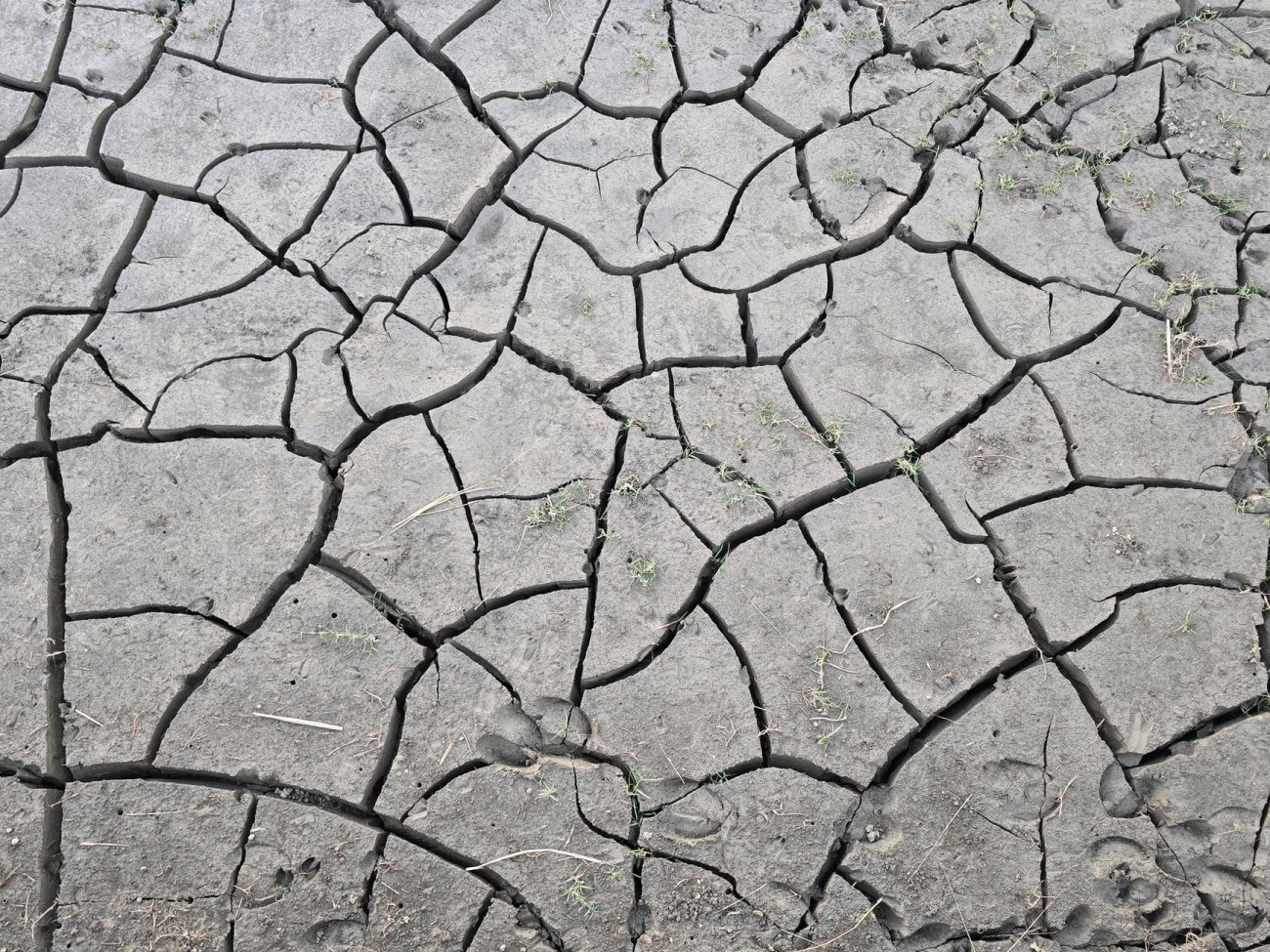
The impact of climate change is being increasingly felt in myriad subtle ways, one of which is the alteration in mosquito biting patterns. Experts from the World Health Organization (WHO) have noted that rising global temperatures and shifting precipitation patterns are leading to mosquitoes biting earlier in the year. This change has significant implications for the spread of vector-borne diseases such as malaria, dengue fever, and Zika virus, particularly in tropical and subtropical regions where these diseases are endemic.
According to Dr. Maria Neira, WHO's Director for Public Health, Environmental and Social Determinants of Health, "Climate change is not just an environmental issue but also a major public health challenge. The changes we are observing in mosquito behavior could exacerbate the risk of disease outbreaks in vulnerable populations." Neira's comments reflect the growing concern among health officials about the intersection of climate change and public health.
Data from the Climate Prediction Center indicate that global temperatures have increased by approximately 1.2 degrees Celsius since pre-industrial times, with more pronounced effects in equatorial regions. This warming trend is contributing to longer mosquito breeding seasons and expanding their geographical range. The U.S. Centers for Disease Control and Prevention (CDC) reports that mosquito-borne diseases affect more than 700 million people annually, with a disproportionate impact on developing nations lacking robust healthcare systems.
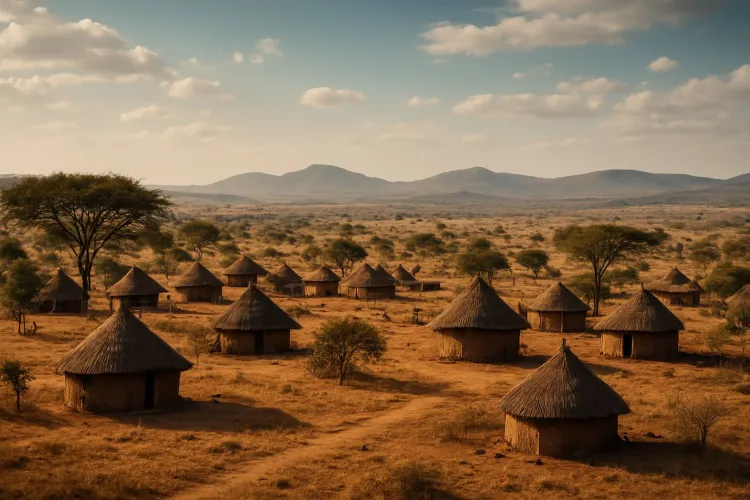
In Africa, where malaria remains a leading cause of morbidity, the early onset of mosquito activity could pose additional challenges to ongoing eradication efforts. Dr. Tedros Adhanom Ghebreyesus, WHO Director-General, emphasized the need for increased vigilance and adaptive strategies. "We must strengthen surveillance systems and enhance community-based interventions to mitigate the impact of these changes," he stated.
The ramifications of altered mosquito behavior are not limited to Africa. In the United States, regions that previously experienced lower incidences of mosquito-borne diseases are seeing upticks in cases. The National Institutes of Health (NIH) has noted that states like Florida and Texas have recorded earlier and more frequent outbreaks of dengue fever, prompting calls for expanded research into mosquito control technologies and vaccine development.
Looking forward, international health bodies are urging countries to integrate climate adaptation into their public health planning. The Global Fund to Fight AIDS, Tuberculosis, and Malaria is spearheading initiatives to provide resources and technical support for climate-resilient health systems. "We need a multi-faceted approach that includes environmental management, public education, and technological innovation," said Peter Sands, the Fund's Executive Director.
As the world grapples with the multifarious impacts of climate change, the scientific community is increasingly aware of the need to understand and address its implications on disease vectors. Continued research and cross-border collaborations are essential to devise effective interventions and safeguard global public health.



Comments
No comments yet — be the first.