
Can Artificial Intelligence Boost Your Immigration Chances? Experts Weigh In
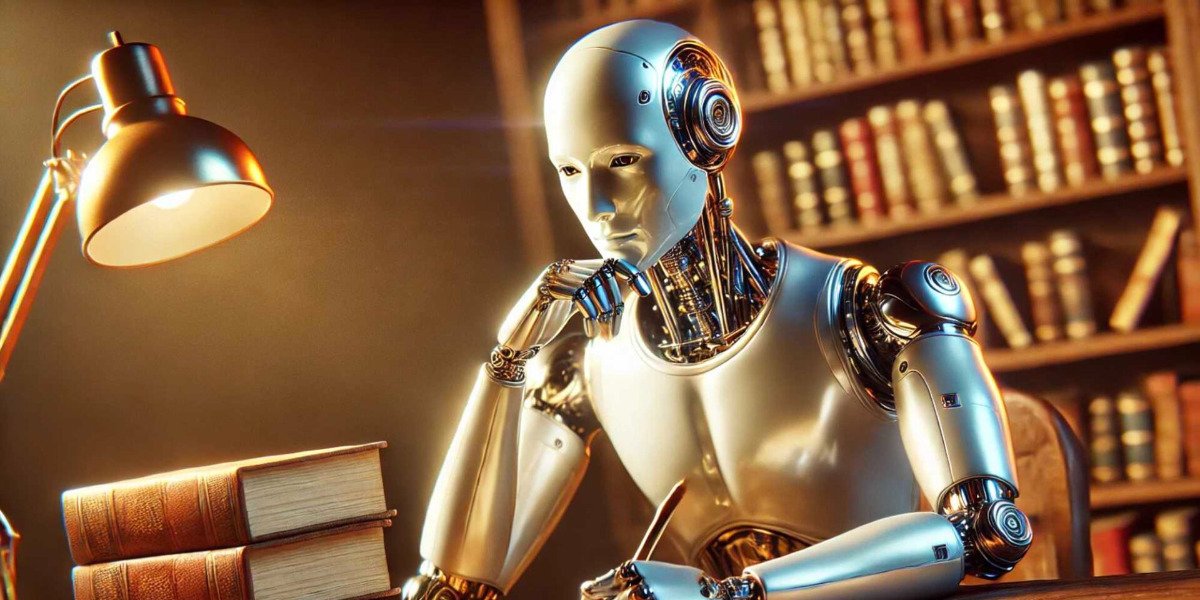
Artificial intelligence is becoming an increasingly important part of workplace operations, changing how organisations recruit staff, serve customers and manage daily tasks.
AI is no longer limited to research laboratories or technology firms. Businesses across many industries are integrating AI-powered tools into their operations to improve efficiency and support decision-making.
Automated systems now manage routine functions such as scheduling, payroll processing and data entry, allowing employees to concentrate on more complex work. Machine learning systems are also analysing large volumes of data to identify patterns and provide insights that help organisations make informed strategic decisions.
Recruitment is one area where AI is having a significant impact. Many employers use AI-powered platforms to review large numbers of applications and identify candidates whose qualifications and experience match specific job requirements.
This has reduced the administrative workload for human resources teams. However, concerns remain about the potential for bias within algorithms. Critics argue that poorly designed systems may reinforce existing inequalities, while supporters contend that carefully developed AI tools can reduce subjective decision-making and support fairer, merit-based recruitment.
Customer service has also changed considerably with the adoption of AI. Modern chatbots and virtual assistants can respond to a wide range of customer enquiries and provide support at any time of day.
These systems help organisations improve response times and lower operating costs. Despite these advances, many businesses continue to rely on human staff for more complex or sensitive interactions. As a result, hybrid models have become common, with AI handling initial enquiries before transferring customers to human agents when necessary.
The influence of AI extends beyond operational efficiency. It is also changing workplace culture and altering the skills employees need to perform their roles effectively. Workers are increasingly expected to collaborate with AI systems and use AI-generated information in their daily activities.
This has increased demand for digital literacy, analytical skills and critical thinking. In response, many organisations are investing in training and reskilling programmes to help employees adapt to changing workplace requirements.
At the same time, questions about data privacy, accountability and transparency remain. As AI systems take on greater responsibility for decisions that affect employment, finances and other aspects of daily life, governments and industry groups are considering how best to regulate the technology.
Policymakers face the challenge of protecting individuals while encouraging innovation and economic growth. The long-term effects of AI on the workplace are expected to be substantial.





Comments
No comments yet — be the first.