
JD Vance's Swiss Engagements with Iran Raise Questions and Global Implications
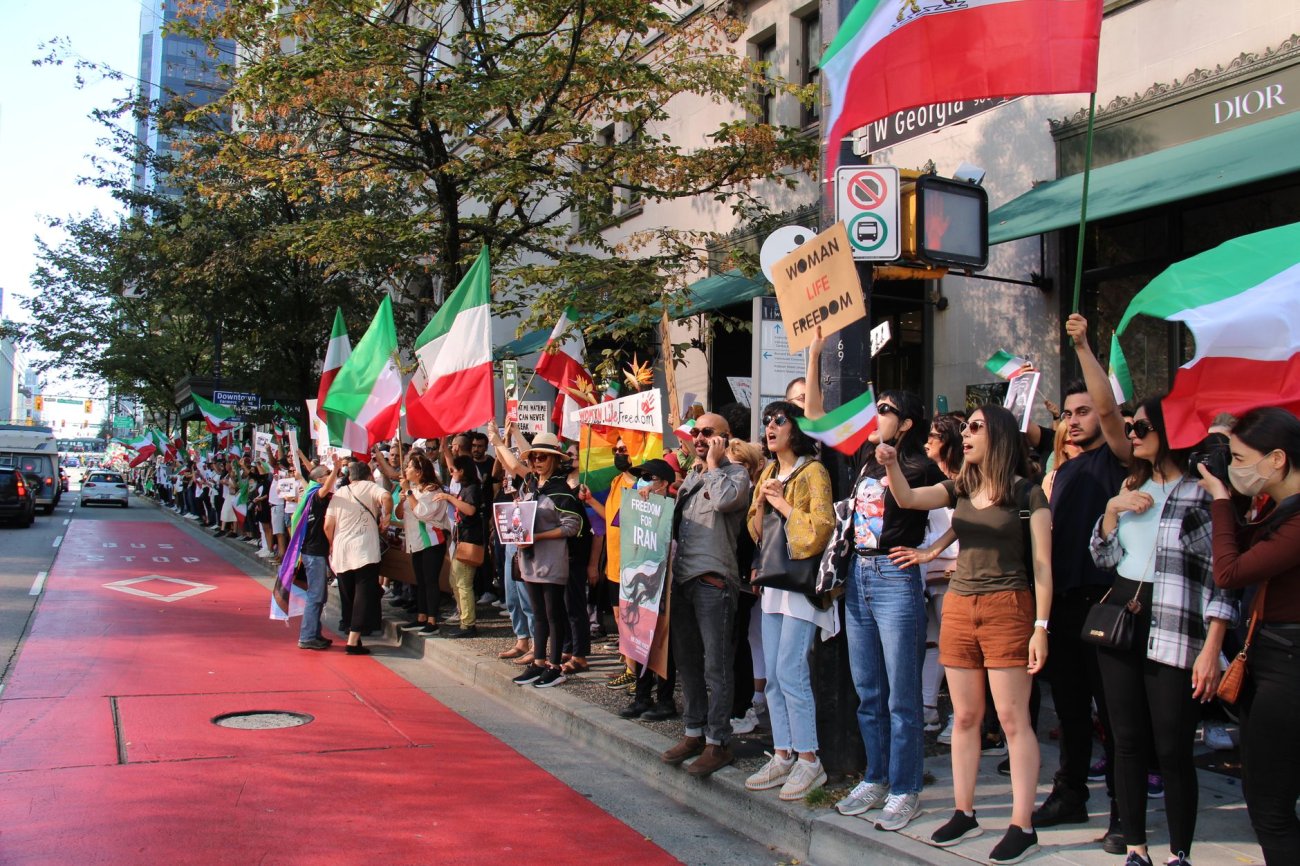
The unexpected presence of U.S. Vice President JD Vance at a luxury Swiss resort for discussions with Iranian officials has sparked widespread intrigue and speculation concerning the future of U.S.-Iran relations. The talks, said to have focused on regional security and nuclear negotiations, come at a time when global geopolitical tensions are at a peak. Vance's engagement with Iran marks a significant diplomatic initiative by the administration of President Donald Trump, who is currently serving his second term.
According to sources close to the meetings, the discussions were held in a discreet setting, aimed at addressing pressing issues such as Iran's nuclear program and its regional influence. While the precise details remain largely confidential, Vice President Vance emphasized the importance of open communication channels, stating, "Diplomacy is essential for addressing the complexities of today's global challenges." His remarks underscore the administration's shift towards direct engagement, a strategy that has been both criticized and praised by international observers.
The backdrop of these talks is a complex web of sanctions, regional power struggles, and nuclear proliferation concerns. The Trump administration has historically taken a hardline stance against Iran, reinstating economic sanctions after withdrawing from the Joint Comprehensive Plan of Action (JCPOA) in 2018. However, these recent discussions suggest a potential recalibration of U.S. policy, aimed at de-escalation and regional stability. Secretary of State Marco Rubio remarked, "While our position remains firm, we are committed to exploring all avenues for peace and security in the region."
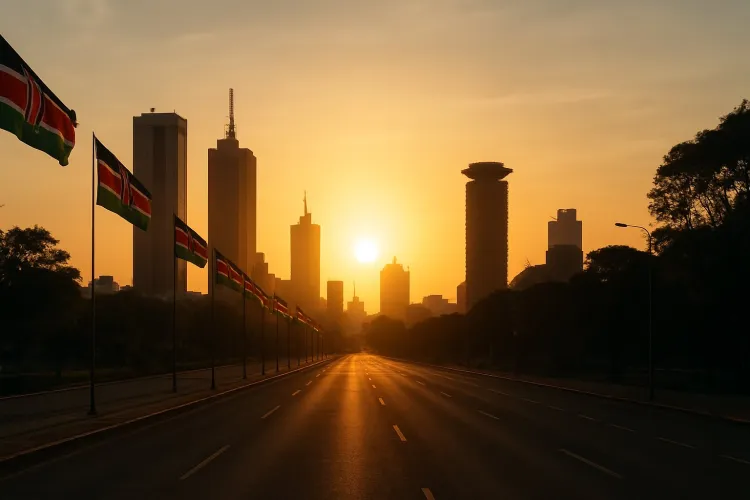
On the ground, the impact of these talks could ripple across several continents, including Africa, where Iranian influence has been on the rise through economic and military ventures. Analysts suggest that any easing of tensions might open up new diplomatic and trade opportunities for developing nations, fostering greater regional cooperation. Furthermore, the dialogue underscores the shifting dynamics in international relations, where traditional alliances and hostilities are constantly being redefined.
As the international community watches closely, the outcomes of these discussions remain pivotal. The potential for a new accord or framework could have far-reaching implications, not only for U.S.-Iran relations but also for global energy markets and security alliances. The international response has been mixed, with European allies cautiously optimistic about a diplomatic thaw, while regional actors in the Middle East remain skeptical. The coming weeks will be crucial in determining whether these talks will lead to a lasting impact on the geopolitical landscape.



Comments
No comments yet — be the first.