
US Plans Tougher Green Card Sponsorship Rules for Foreign Workers
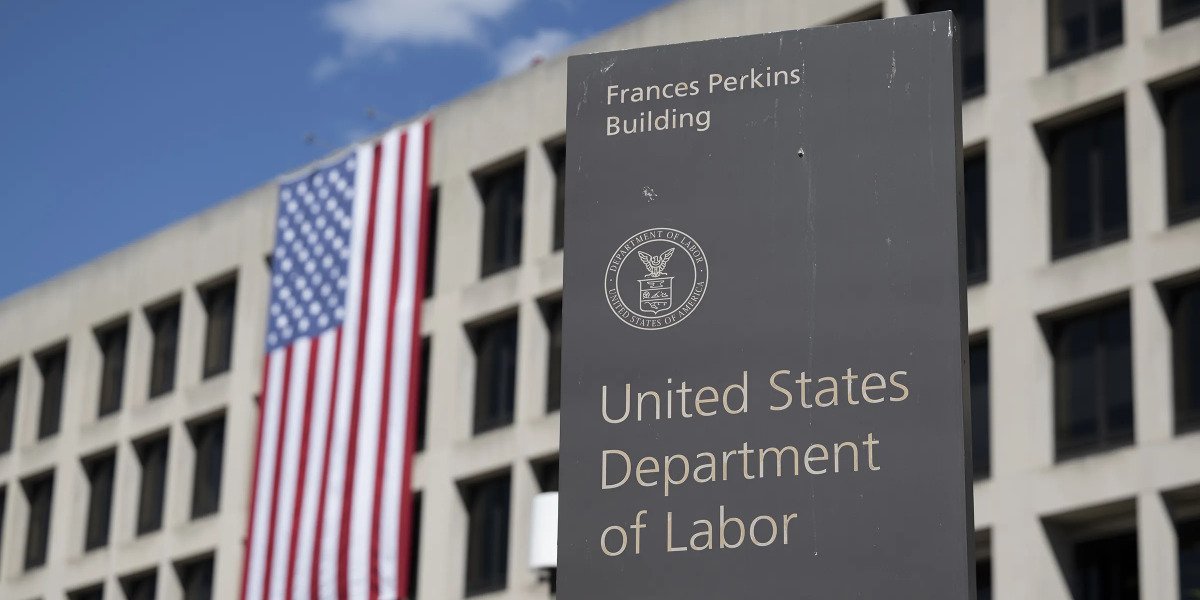
The US Department of Labor is preparing new rules that would tighten the process employers use to sponsor foreign workers for permanent residency through the PERM labour certification programme.
The proposed changes would represent the biggest update to the system in more than 20 years. The Department of Labor plans to revise the permanent labour certification process, known as PERM, which is a key requirement for many foreign professionals seeking employment-based green cards.
Each year, about 140,000 employment-based immigrant visas are available to foreign workers and their family members. Applicants in the EB-2 and EB-3 categories usually require employer sponsorship, but they cannot continue with the green card process without labour certification from the Department of Labor.
This certification confirms that no qualified US workers are available for the position and that employing a foreign worker will not reduce wages or worsen working conditions for workers in the United States. The PERM programme has remained largely unchanged since 2004, despite significant changes in recruitment practices and advances in technology.
According to the Department of Labor, the current rules no longer reflect the modern labour market. The proposed reforms would strengthen recruitment requirements, introduce greater protections for US workers affected by layoffs, and increase employer obligations relating to fair recruitment and record-keeping.
The aim is to ensure that employers use the programme only when they cannot find suitably qualified workers in the domestic labour market. The changes could have significant consequences for both employers and foreign professionals.
More demanding recruitment requirements and stricter compliance rules may lengthen processing times and increase costs for employers, leading some companies to reconsider sponsoring foreign workers. For applicants, obtaining permanent residency through employer sponsorship could become more difficult, particularly outside occupations facing clear skills shortages.
The proposal comes as policymakers face growing pressure to protect employment opportunities for US workers while responding to changing labour market needs. The planned reforms reflect an effort to balance domestic workforce protections with continued access to skilled international talent.
The proposal is currently at the regulatory agenda stage, and no draft regulations have been published.





Comments
No comments yet — be the first.