
Yemeni Government Forces Strike Sanaa Airport Amid Escalating Tensions

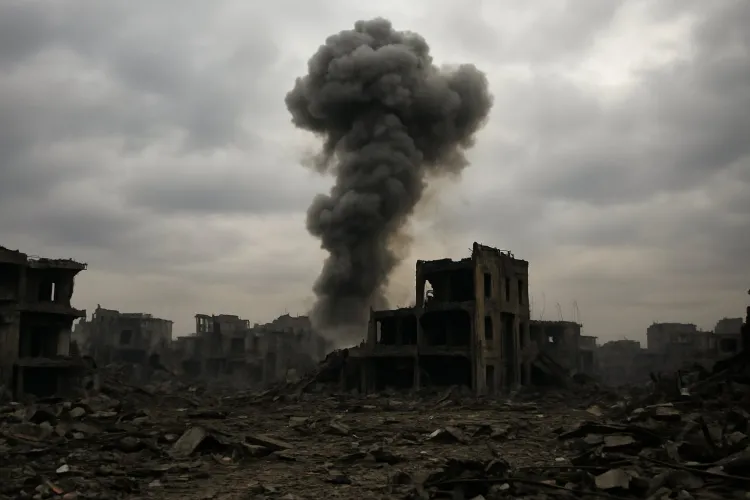
Yemeni government forces launched a significant offensive on Sanaa International Airport on July 12, 2026, marking a crucial escalation in the ongoing conflict in the region. The strike at the strategic airport, controlled by Houthi rebels since 2014, comes amid heightened tensions and stalled peace negotiations. This development has drawn international concern as it threatens to further destabilize the already fragile situation in Yemen.
The airstrike involved a coordinated assault that aimed to disrupt the logistical capabilities of the Houthi forces. According to official statements from the Yemeni Ministry of Defense, the operation sought to "neutralize threats and safeguard national security." The Ministry emphasized that the airport has been used by the Houthis for military purposes, including the launch of drones targeting Saudi Arabia and other neighboring countries.
In a statement, Yemeni Defense Minister Mohammed Ali Al-Maqdashi described the operation as "a necessary move to protect Yemeni sovereignty and restore legitimate governance." He added, "We are committed to pursuing all measures necessary to end the aggression and restore peace to our nation." The strike has been met with mixed reactions internationally, with calls for restraint and renewed dialogue.
From the United States, Secretary of State Marco Rubio highlighted the importance of renewed diplomatic efforts, stating, "The U.S. encourages all parties to return to the negotiating table to find a sustainable resolution to the conflict. Military action should not impede the humanitarian assistance needed by millions of Yemenis." Rubio's remarks underscore the broader international appeal for diplomatic solutions to the protracted conflict.
The United Nations has also expressed concern over the potential humanitarian implications of the strike. UN Special Envoy for Yemen, Hans Grundberg, reiterated the organization's call for a ceasefire and stressed the need for protecting civilian infrastructure. "The protection of civilians and civilian infrastructure is paramount," Grundberg said, emphasizing that actions should not exacerbate the humanitarian crisis that has left millions in dire need.
The conflict in Yemen, which began in 2014, has resulted in one of the world's worst humanitarian crises, with the UN estimating that over 24 million people, or about 80% of the population, require humanitarian assistance. The recent strike on Sanaa Airport threatens to disrupt aid deliveries, further complicating the situation on the ground. Relief organizations are closely monitoring developments, emphasizing the need for unobstructed access to deliver critical supplies.
The situation in Yemen has broader implications for regional stability, particularly affecting trade routes critical for global commerce. The Bab el-Mandeb strait, a vital corridor for oil shipments, lies at the southern end of the Red Sea and is of strategic interest to global powers. Ensuring security in this region remains a priority for international stakeholders, including several African nations reliant on these trade routes for economic stability.
As the international community continues to navigate the complexities of the Yemeni conflict, the latest developments highlight the urgent need for renewed dialogue and effective diplomacy to prevent further escalation. Observers are closely watching for potential retaliatory actions by the Houthis and their impact on regional security dynamics. The situation remains fluid, with political and humanitarian actors advocating for peaceful resolutions to end the longstanding turmoil in Yemen.





Comments
No comments yet — be the first.