
India's Push for A.I. Data Centers Spurs Local Concerns Over Resource Scarcity
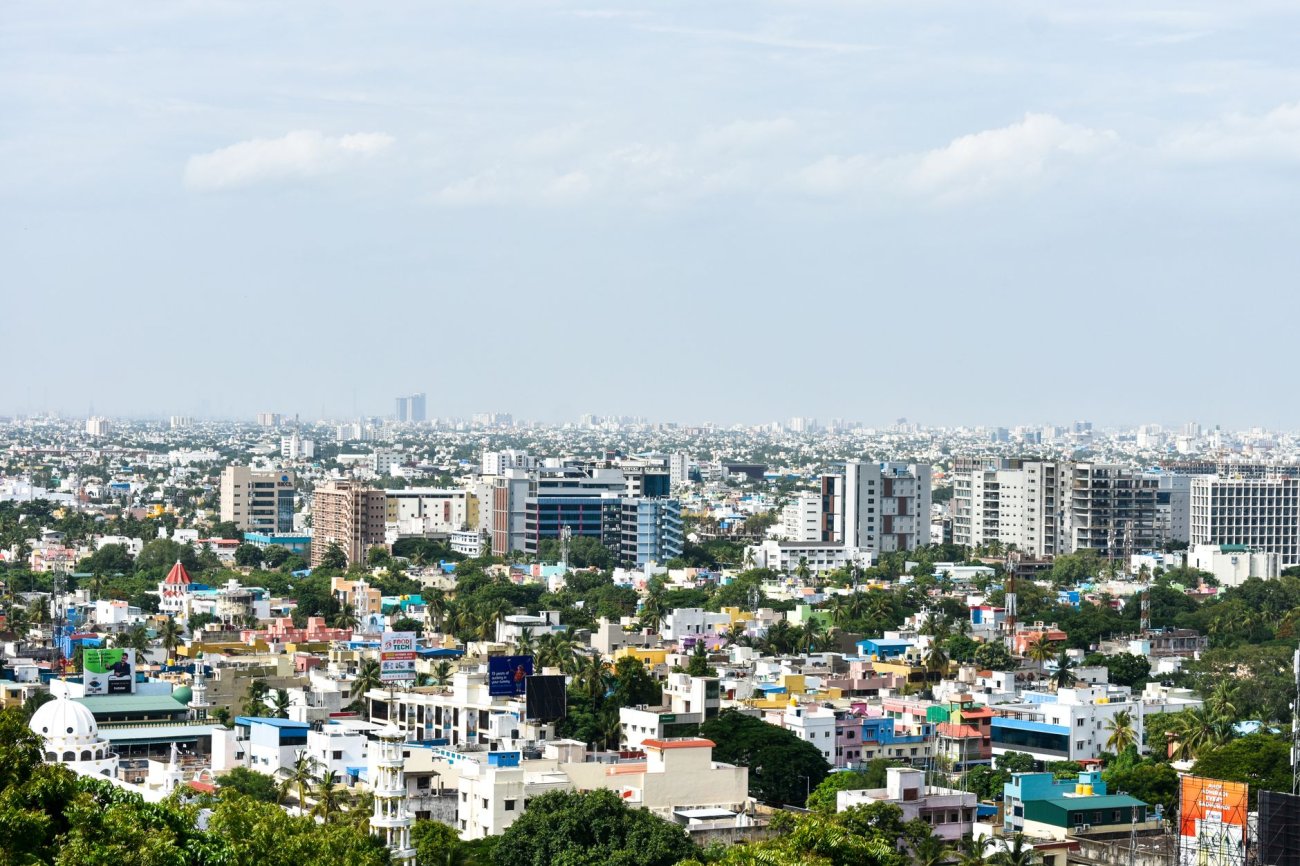
India's ambitious development of new data centers, pivotal in the global race for artificial intelligence superiority, is sparking significant unease among local communities due to the anticipated strain on already limited energy and water resources. The burgeoning technology sector sees India striving to secure a competitive foothold, marked by the construction of a new Google campus poised to become a hub for A.I. data management. However, this rapid technological expansion has raised alarms regarding the sustainability of local infrastructure.
Mujib Mashal, The New York Times' South Asia bureau chief, has highlighted that the surge in data center development is driven by India's strategic goal to enhance its digital economy, a crucial element for sustained economic growth. Yet, the establishment of these high-capacity facilities, which demand substantial electricity and water, has provoked anxiety among residents and environmentalists. "The scale of investment by tech giants like Google signifies India's potential to emerge as a key player in the digital arena, but it also necessitates a careful balance with resource management," Mashal noted.
The Indian government's plans include incentives under the National AI Strategy, aiming to facilitate infrastructure development through fiscal advantages and policy support. However, with the country's energy grid struggling to meet existing demands, the additional burden of data centers raises questions about potential impacts on local communities. A recent report by the International Energy Agency highlighted that India's energy consumption is projected to grow by 2.6% annually, intensifying the need for sustainable power solutions.
Alok Sharma, India's Minister for Power and Renewable Energy, assured that the government is actively working towards sustainable energy solutions, particularly focusing on expanding solar and wind energy projects to cope with increased demands. "Our commitment is to ensure that technological progress does not come at the cost of our environment or community welfare. We are investing in green energy to support future developments sustainably," Sharma stated in a recent public briefing.
Local populations have expressed concerns about the water usage associated with data centers, as these facilities typically require significant volumes for cooling purposes. India, already grappling with water scarcity in various regions, faces a critical challenge in balancing industrial and communal water needs. The government has indicated plans to implement advanced water recycling technologies, yet local apprehensions persist regarding their effectiveness and timeliness.
As African nations, particularly in East Africa, look to bolster their digital infrastructure similarly, the developments in India serve as a crucial point of reference. These nations must consider the environmental and societal implications of rapid technological advancements. The African Union’s Digital Transformation Strategy for Africa 2020-2030 emphasizes sustainable growth, underscoring the importance of learning from global experiences to avoid potential pitfalls.
Moving forward, the global technology community will be closely observing how India navigates this complex intersection of growth and sustainability. The strategies employed here could set precedents for developing nations aiming to expand their digital capabilities without compromising their natural resources or community welfare.






Comments
No comments yet — be the first.