
Trump Signs New Executive Orders on Birthright Citizenship Following Supreme Court Ruling
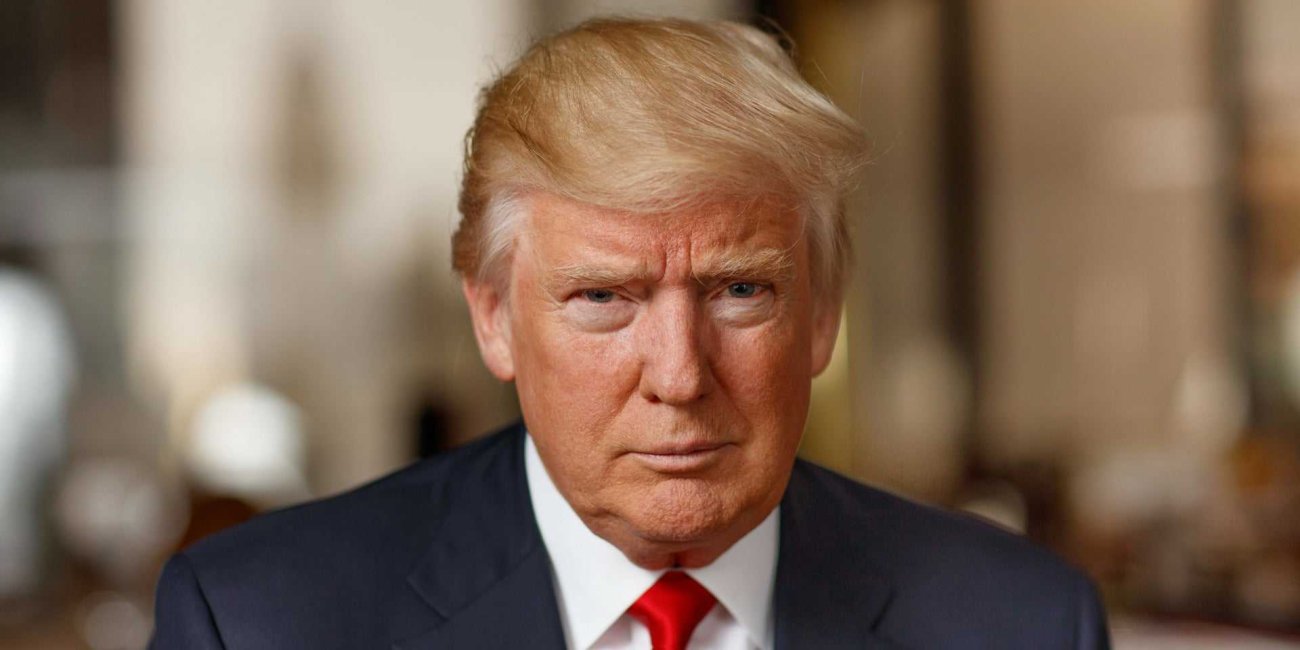
President Donald Trump has signed a series of new executive orders aimed at altering the rules surrounding birthright citizenship in the United States. This move comes on the heels of a recent Supreme Court ruling that provided certain clarifications on the interpretation of the 14th Amendment.
The Supreme Court's decision, delivered last month, addressed ambiguities in the language of the 14th Amendment, which grants citizenship to "all persons born or naturalized in the United States." The ruling has sparked a renewed debate on the issue of birthright citizenship, a topic that has been a focal point of Trump's immigration policy since his initial presidential campaign.
The executive orders signed by President Trump are part of a broader strategy to redefine the criteria under which citizenship is automatically granted to individuals born in the U.S. The administration argues that the current interpretation of the amendment has been too broadly applied, leading to what they describe as "birth tourism" and other practices that they claim exploit the system.
"This action is about restoring the original intent of the Constitution," President Trump stated during the signing ceremony. "We must ensure that citizenship, one of our most cherished rights, is protected and not taken advantage of by those who do not have legitimate claims."
Critics of the executive orders argue that these changes could undermine the principles of the 14th Amendment and lead to legal challenges. Legal experts suggest that any significant alteration to birthright citizenship interpretation would require a constitutional amendment, a process that involves both Congress and state legislatures.
The orders direct the Department of Homeland Security, led by Secretary Kristi Noem, to implement new regulations that tighten the criteria for automatic citizenship. This includes additional verification processes for parents of newborns to ensure that at least one parent is a U.S. citizen or permanent resident at the time of the child's birth.
Furthermore, the orders call for an interagency task force to study and report on the effects of the current birthright citizenship policies, with a focus on national security and economic implications. The task force is expected to provide recommendations for further legislative actions that may be necessary to support the new executive directives.
The move has prompted a swift response from civil rights organizations and immigrant advocacy groups, who have pledged to challenge the orders in court. They argue that the orders infringe upon constitutional rights and could lead to increased discrimination against immigrant communities.
Historically, the concept of birthright citizenship has been a cornerstone of American immigration policy, rooted in the post-Civil War era as a means to ensure equal rights for all individuals born on U.S. soil. The 14th Amendment, ratified in 1868, was designed to grant citizenship to former slaves and their descendants, establishing a legal framework that has since been applied broadly.
With this latest development, the debate over birthright citizenship is poised to become a contentious issue in the political landscape, with significant implications for immigration policy and the interpretation of constitutional rights. As the legal battles unfold, the future of birthright citizenship in the United States hangs in the balance, drawing attention from both domestic and international observers.





Comments
No comments yet — be the first.