
Gaza Emerges as Surprising Tech Hub Amidst Reconstruction Challenges
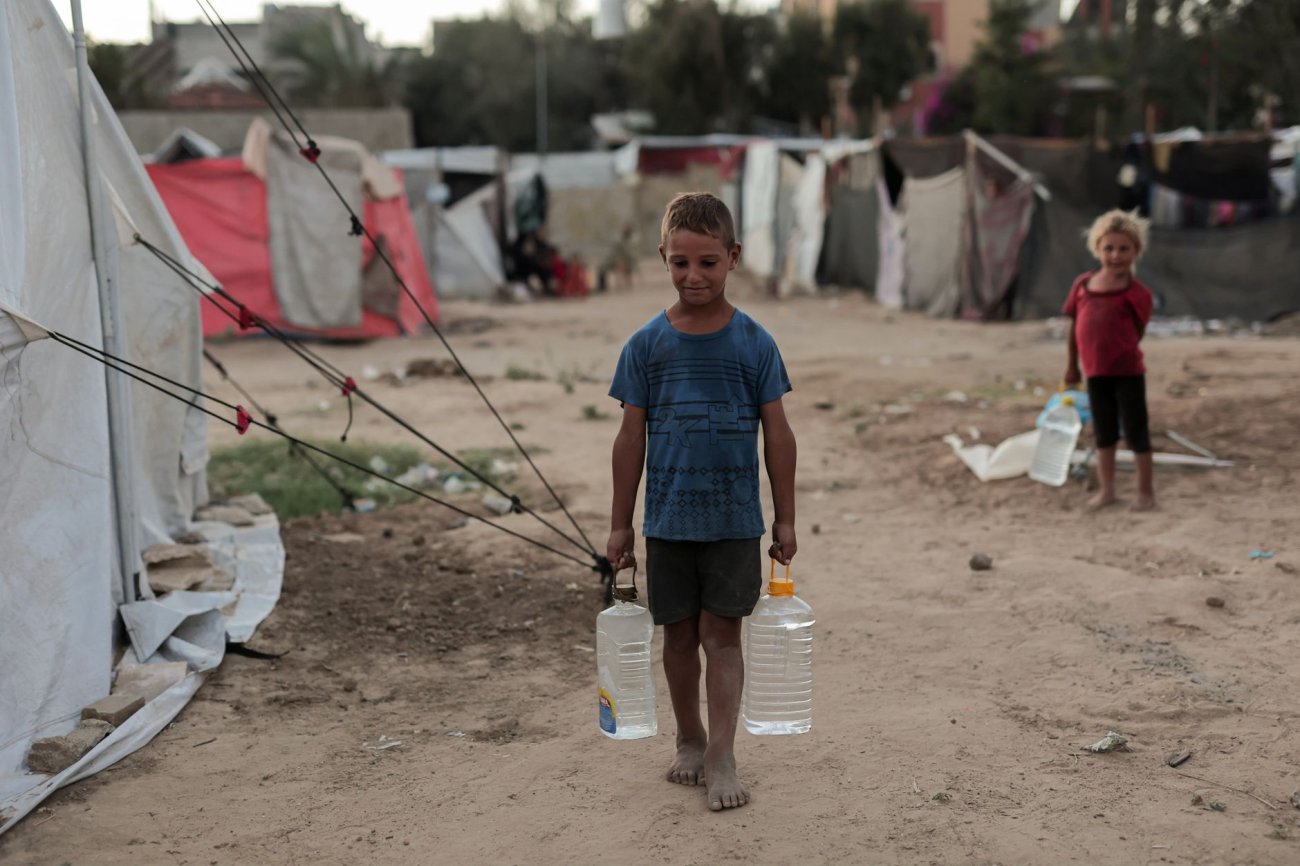
In a remarkable turn of events, Gaza, a region more often associated with conflict and crisis, is quietly transforming into a burgeoning technology hub. Despite facing immense challenges, including restricted movement of goods and people, the enclave is nurturing a tech industry that could play a pivotal role in its future economic development. This unexpected evolution is taking shape amidst the tents and rubble left in the wake of recurring conflicts.
The Gaza Strip, home to roughly two million people, has long been isolated due to stringent security measures. Despite these limitations, local entrepreneurs and tech enthusiasts are tapping into the global digital economy. Innovative tech startups are emerging, driven by a young population eager to connect with the world beyond their borders. According to a recent report by the International Finance Corporation, the tech sector in Gaza is growing at an estimated rate of 20% annually, with over 100 startups now operating in the region.
Supporting this growth are initiatives like Gaza Sky Geeks, a tech hub that offers mentorship and funding opportunities to local startups. The hub collaborates with international tech firms to provide remote work opportunities for Gazan developers, connecting them with global markets. "Gaza's potential as a tech hub is immense, and we are committed to nurturing this talent," said Iliana Montauk, former director of Gaza Sky Geeks. "By investing in our youth, we are investing in a brighter future for Gaza."
Tech companies in Gaza are leveraging the relatively high rate of internet penetration, which stands at 60%, according to the Palestinian Central Bureau of Statistics. This connectivity allows local developers to work on international projects, contributing significantly to the economy. The tech boom is providing much-needed jobs in a region where unemployment hovers around 45%, one of the highest rates globally.
The growth of Gaza's tech sector is significant not only for the local economy but also as a potential model for other developing nations facing similar constraints. By harnessing digital skills and innovation, regions with limited resources and restricted movement can still participate in the global economy. The success of Gaza's tech industry could inspire similar initiatives across regions in Africa and the Middle East.
International partnerships are also playing a crucial role. Organizations from Europe and North America are investing in training programs, with a focus on coding and software development skills. Ambassador Philippe Lazzarini, Commissioner-General of UNRWA, noted, "The international community recognizes the resilience and ingenuity of the Gazan people. Supporting their tech industry is a step towards sustainable economic development."
However, numerous challenges remain. The blockade on Gaza continues to hinder the import of essential hardware needed for tech development. Additionally, power shortages pose regular disruptions to business operations. Local entrepreneurs and support organizations are advocating for easing restrictions to facilitate the growth of this promising sector.
As the world watches Gaza's tech industry evolve against the backdrop of adversity, it underscores the potential for digital economies to thrive in even the most challenging environments. The coming years will be crucial in determining whether this nascent industry can overcome its obstacles and serve as a beacon of hope for other regions seeking economic transformation through technology.






Comments
No comments yet — be the first.