
How Kenya Is Preparing for Ebola as Seven Americans Complete Quarantine
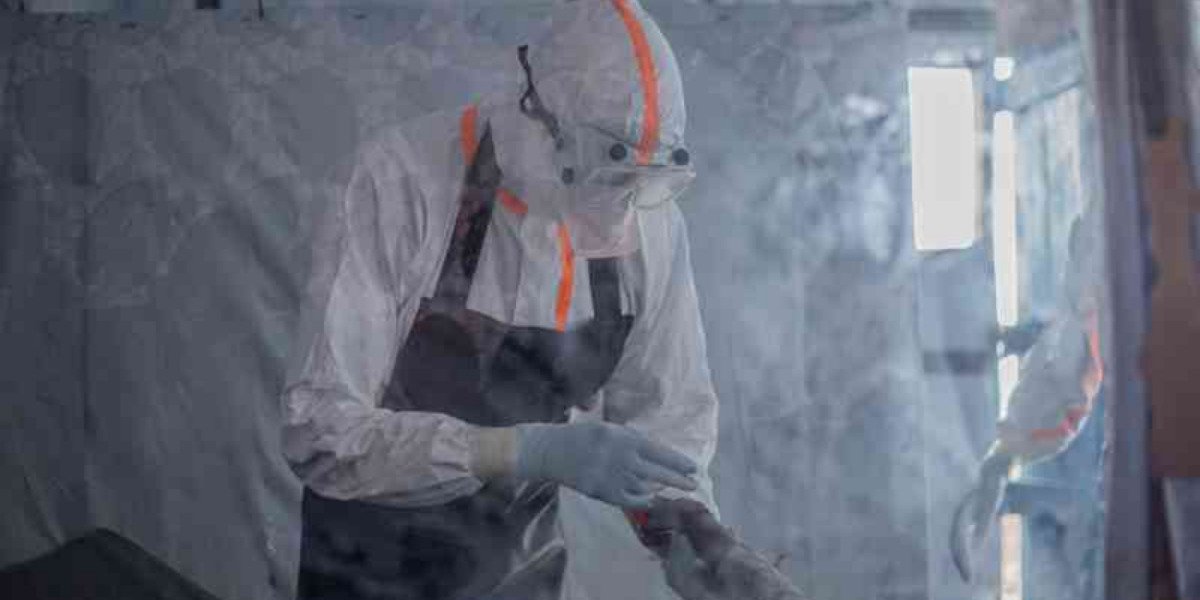
Seven American humanitarian workers are completing a 21-day precautionary quarantine in Kenya after returning from the Democratic Republic of Congo (DRC), where they supported the response to the ongoing Bundibugyo strain Ebola outbreak.
None has developed symptoms or tested positive for the virus. The workers are members of the Disaster Assistance Response Team (DART) deployed by the Christian humanitarian organisation Samaritan's Purse. They are remaining under medical observation in Kenya before returning to the United States, in line with US public health requirements for people who may have been exposed to Ebola.
Samaritan's Purse President and Chief Executive Officer Franklin Graham said the aid workers were healthy and that Kenyan authorities were overseeing the quarantine. Health experts say the more important issue is whether Kenya is prepared to detect and manage a suspected Ebola case if one is identified.
They point to surveillance systems, hospital preparedness and the ability of healthcare workers to respond quickly and safely. At Kenyatta National Hospital, one of the country's main referral hospitals, a specialised isolation unit remains ready for patients with highly infectious diseases. During a recent media visit, hospital officials declined requests to enter the ward because patients with Mpox were being treated there under strict infection prevention measures.
Dr Duncan Nyukuri, an infectious diseases specialist who heads the hospital's isolation unit, said preparedness depends on far more than having designated treatment facilities. He said hospitals have focused on staff training, emergency exercises and regular assessments to ensure they can respond effectively.
Healthcare workers have practised every stage of managing a suspected Ebola patient, from identifying symptoms and isolating the patient to providing treatment while protecting staff from infection. Hospitals have also reviewed laboratory capacity, supplies of personal protective equipment and diagnostic resources.
"We have conducted extensive training for healthcare workers," Dr Nyukuri said. "We have carried out readiness assessments, simulated patient scenarios and practised every stage of care from the moment a suspected patient arrives, through admission, isolation and treatment."
He said the exercises are intended to ensure healthcare workers can rely on established procedures rather than making decisions under pressure during an outbreak.
"When we eventually encounter a suspected case, it should not be something new to us," he said.
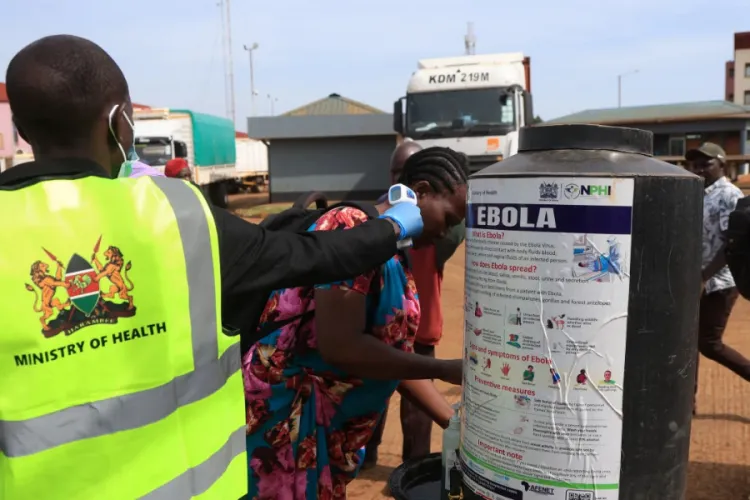
Kenya's preparedness measures extend beyond hospitals. Health authorities continue screening travellers arriving through airports and land border crossings from areas affected by Ebola, while rapid response teams remain ready to investigate suspected cases. Kenya has not recorded a confirmed case linked to the current outbreak in eastern DRC. Dr Nyukuri said preparedness should not be mistaken for alarm.
"One thing we should never do as Kenyans is panic," he said. "Panic only makes the situation worse. Instead, we should ask ourselves one question: Are we prepared?"
He said government agencies and health institutions remain in a state of readiness.
The outbreak has also renewed attention on how Ebola spreads. Scientists believe fruit bats are the virus's natural reservoir, carrying it without becoming ill. Human infections usually occur when activities such as mining, logging, hunting and expanding settlements increase contact between people and wildlife.
The virus then spreads through direct contact with the bodily fluids of an infected person. Ebola includes several different virus species, each with distinct characteristics. The Zaire strain, which caused the major West African outbreak between 2014 and 2016, is the best studied and is covered by licensed vaccines and approved treatments.
The current outbreak involves the Bundibugyo strain, first identified in Uganda's Bundibugyo District. Researchers have fewer proven medical tools against this strain. Experimental vaccines are being evaluated, while treatments including the monoclonal antibody MBP134 and the antiviral drug remdesivir are undergoing clinical trials in eastern DRC.
"That is why this outbreak concerns many of us," Dr Nyukuri said. "We still have limited tools compared to what exists for the Zaire strain."
Across the region, countries are responding in different ways. Uganda has contained its latest Ebola outbreak and has entered the internationally recognised 42-day observation period required before it can be declared Ebola-free. The country has built a strong record of identifying cases quickly, tracing contacts and isolating patients before outbreaks spread further.
Eastern DRC continues to report ongoing transmission, placing pressure on treatment centres and healthcare workers. During the current outbreak, two American humanitarian workers contracted Ebola and were later transferred to Germany for specialised treatment after receiving initial care in Bunia.
Health specialists say the different roles played by Kenya and Germany reflect operational planning rather than differences in medical capability. Germany is treating confirmed patients, while Kenya is providing precautionary observation for aid workers who remain healthy. Decisions on quarantine and treatment locations are based on logistics, international agreements, evacuation plans and the wider strategies of humanitarian organisations.




Comments
No comments yet — be the first.