
Surge in UK Fuel Thefts Linked to Iran Conflict Sparks Economic Concerns

The surge in fuel thefts across the United Kingdom has raised alarm as nearly £200,000 worth of fuel is being stolen from forecourts daily since the onset of the conflict in Iran. Industry analysts have reported a 20% increase in such incidents over the past five months, highlighting significant economic implications both domestically and internationally. This rise in thefts is attributed to the escalating prices and supply chain disruptions caused by geopolitical tensions in the Middle East.
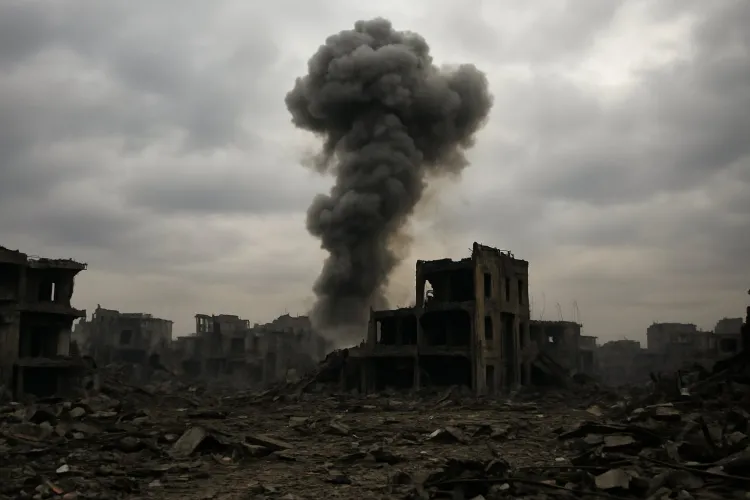
The intensifying conflict in Iran has exacerbated global oil market instability, leading to significant fluctuations in fuel prices. According to the UK's Petrol Retailers Association, the dramatic increase in thefts is a direct response to the soaring costs, which have left consumers and businesses grappling with financial pressures. Brian Madderson, Chairman of the Petrol Retailers Association, remarked, "The situation is untenable; retailers are facing increasing losses, and the government must intervene to alleviate this growing crisis."
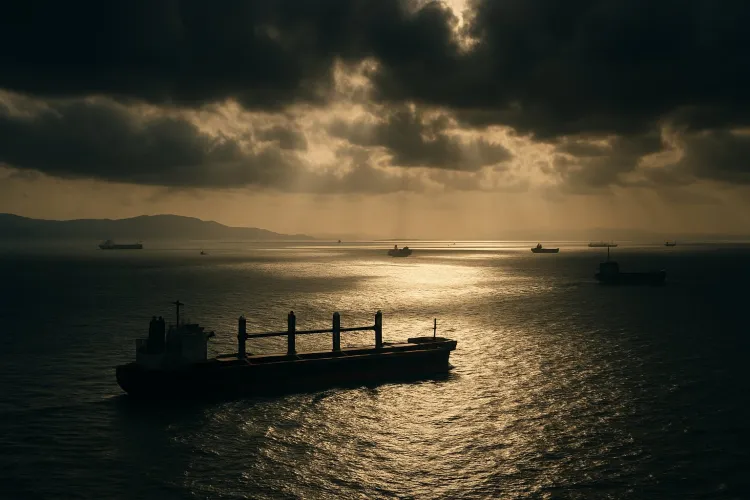
As the war in Iran continues to impact global oil supply chains, the ramifications extend beyond the UK. Developing nations, particularly in Africa, which rely heavily on imported fuel, are bracing for potential shortages and price hikes. The International Energy Agency (IEA) warned that prolonged disruptions could severely affect economies in these regions, where fuel costs already account for a significant portion of household and business expenses.
In response to the rising theft incidents, UK authorities are exploring enhanced security measures and legislative reforms to deter criminal activities. The British Home Office has proposed increasing penalties for fuel theft and leveraging technology such as surveillance cameras and number plate recognition systems at forecourts. A spokesperson for the Home Office stated, "We are working closely with industry leaders to implement strategies that will protect businesses and consumers from the ripple effects of geopolitical instability."
The economic impact of this crisis is further compounded by inflationary pressures already affecting the UK economy. The Bank of England has expressed concerns that sustained high fuel prices could trigger broader inflation, affecting everything from transportation to food prices. Policymakers are closely monitoring the situation, with some experts advocating for strategic fuel reserves and alternative energy investments to mitigate future risks.
Globally, the situation calls for a concerted effort to stabilize oil markets and explore diplomatic solutions to the ongoing conflict in Iran. The United Nations has urged all parties involved to seek peaceful resolutions, emphasizing the broader economic consequences of prolonged hostilities. "The international community must prioritize dialogue and cooperation to prevent further economic destabilization," urged UN Secretary-General António Guterres in a recent statement.
As the world watches the developments in Iran, the increasing fuel thefts in the UK serve as a stark reminder of the interconnectedness of global economies and the far-reaching impacts of regional conflicts. Stakeholders are urged to adopt proactive measures to ensure energy security and economic stability, both domestically and internationally.




Comments
No comments yet — be the first.