
US Student Visa Interview: What Consular Officers Really Look For
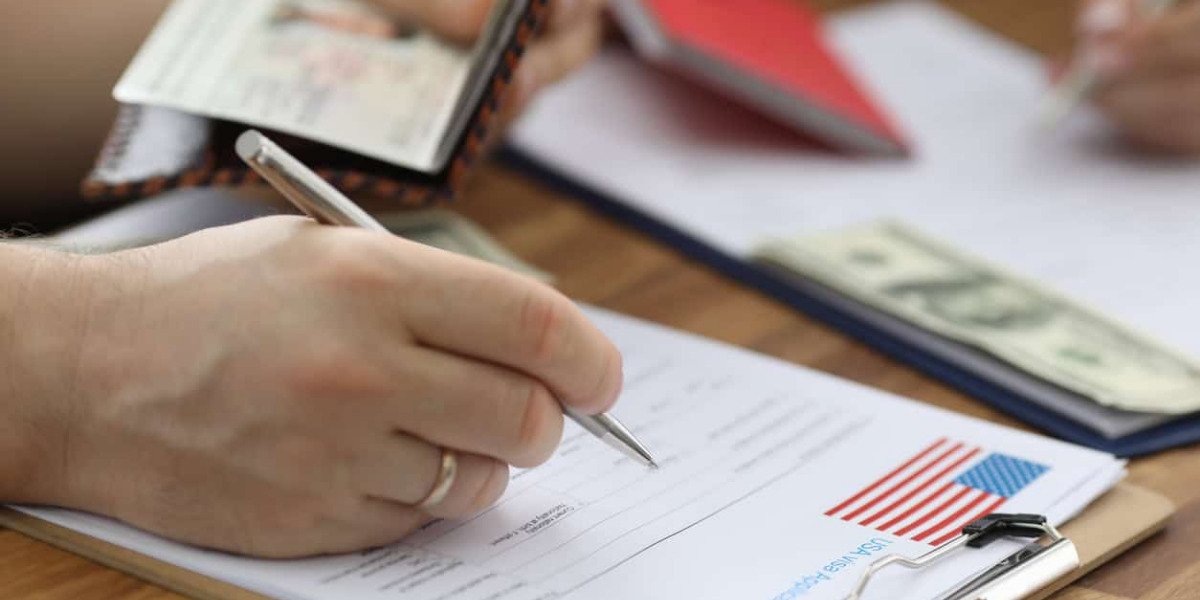
The US student visa interview is the final step before international students can begin their studies in America.
During the interview, consular officers assess whether applicants meet the requirements for an F-1 student visa. Receiving admission to a US university is a significant achievement, but students must still complete the visa interview before travelling.
The interview is usually brief and focuses on whether the applicant qualifies for a student visa rather than on academic ability or English language skills. Consular officers assess four main areas during the interview. They confirm that the applicant is a genuine student, has been accepted by a recognised institution, has enough financial support to complete their studies and intends to return home after graduation, as required under the conditions of the F-1 visa.
Every question is intended to help officers assess these requirements. Preparation is an important part of the process. Applicants should understand why they chose their university and course and be able to explain how these decisions support their long-term career plans.
General statements about wanting to study in the United States are unlikely to be enough. Clear and specific reasons help demonstrate that the applicant's plans are genuine and well considered.
Applicants must also be prepared to explain how they will pay for tuition fees and living expenses. Funding may come from personal savings, scholarships or financial sponsors. Students should know where the money comes from and, if someone else is providing financial support, be able to explain the sponsor's occupation and source of income. Depending on others to answer these questions may affect credibility.
Applicants should also ensure that all required documents are organised before the interview. Although officers may request only a small number of documents, students should carry their passport, admission letter, financial records, academic transcripts and any other relevant paperwork so it is available if needed.
Interview questions often cover the reasons for choosing the United States, a particular university or course, the source of financial support and plans after graduation. Officers generally prefer clear and honest answers rather than responses that appear memorised. Authentic answers are more effective than rehearsed speeches. Applicants should also arrive on time and dress neatly, as this reflects respect for the interview process.
Common mistakes include providing false documents, giving inconsistent answers, guessing when unsure or arguing with the consular officer. These errors can lead to a visa refusal. However, a refusal does not always prevent a student from applying again. Understanding the reason for the decision and addressing any concerns before submitting a new application can improve the chances of success.
The visa interview is intended to assess whether an applicant's plans are credible and consistent. Officers look for a clear connection between academic goals, financial arrangements and future career plans. Applicants who present accurate information and demonstrate a well-prepared study plan are better placed to meet the requirements for an F-1 student visa.






Comments
No comments yet — be the first.