
UK Port Faces Legal Battle Over Environmental Impact Amid Global Pressure
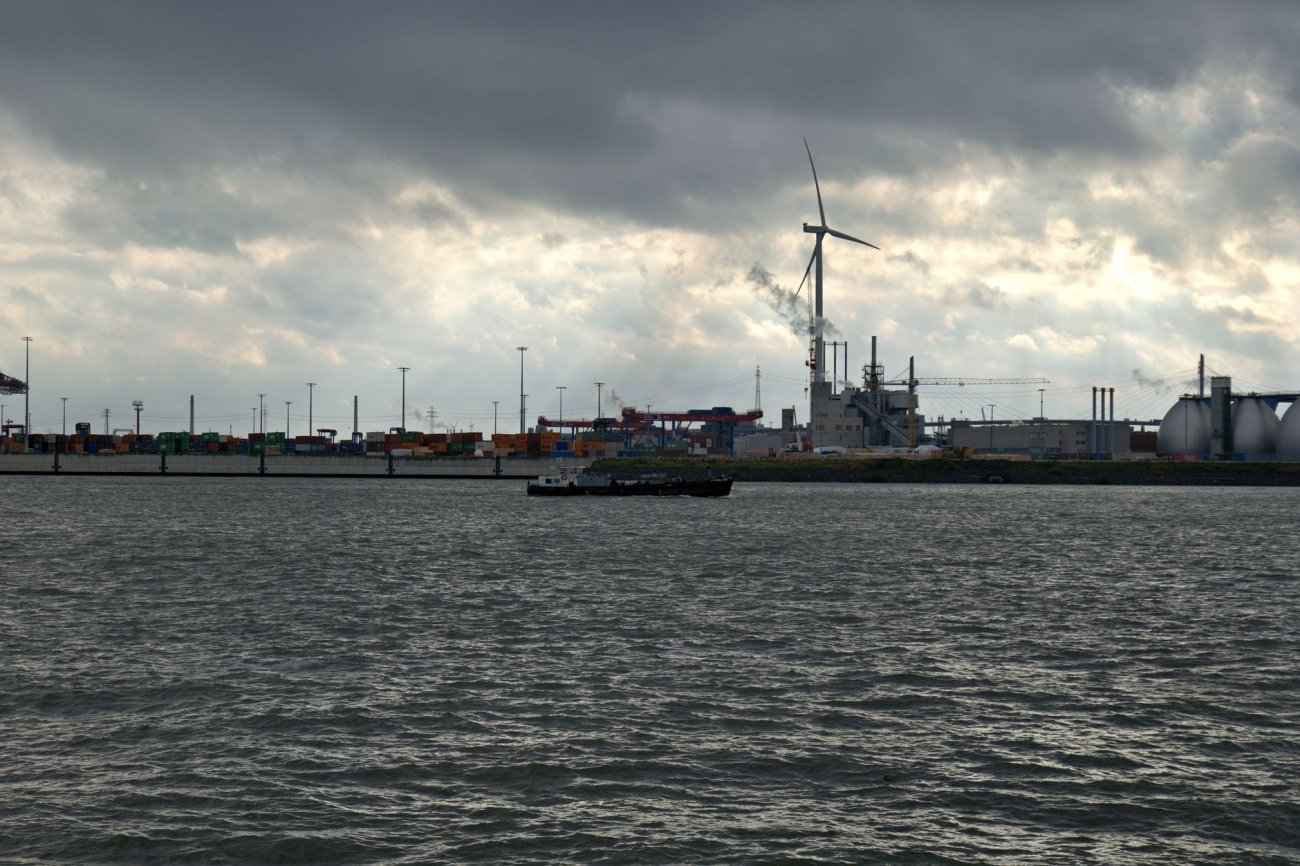
The Port of Rotterdam, the largest port in Europe, is at the center of a significant legal and environmental challenge as activists and climate advocates push for accelerated efforts to reduce its reliance on fossil fuels. The lawsuit, rooted in growing concerns over climate change, demands that the port authorities implement more robust measures to transition towards greener energy sources, reflecting a broader trend of increasing environmental scrutiny on major industrial hubs worldwide.
As Europe's primary gateway for goods and a crucial node in the global supply chain, the Port of Rotterdam plays a pivotal role in international trade. However, its position as a major logistical center for fossil fuel companies has prompted legal action from environmental groups, who argue that the port's operations significantly contribute to carbon emissions. "The port must take immediate and meaningful action to align with international climate goals," said a spokesperson for the environmental coalition leading the lawsuit. "It's imperative that the port reduces its fossil fuel dependency to combat the worsening climate crisis."
The pressure on the Port of Rotterdam reflects a larger movement across Europe and beyond, where environmental regulations are becoming more stringent. The European Union has set ambitious targets under its European Green Deal, aiming to achieve climate neutrality by 2050. This has led to increased regulatory oversight of industries with high carbon footprints. "Ports are critical to the global economy, and their transformation is essential for meeting our climate objectives," stated Frans Timmermans, Executive Vice-President of the European Commission for the Green Deal, in a recent address.
The implications of this legal action extend beyond Europe, as ports in developing nations and regions such as Africa may face similar pressures in the future. These ports, vital for economic development and trade, could be encouraged or required to adopt more sustainable practices to remain competitive in a global market increasingly focused on environmental standards. This shift could present both challenges and opportunities for developing nations, highlighting the need for international cooperation and support in transitioning to green energy.
This case in Rotterdam could set a precedent, influencing how ports worldwide balance economic growth with environmental responsibility. The lawsuit underscores the growing influence of legal instruments in enforcing climate commitments and may spur other cities and regions to strengthen their environmental policies. "We are witnessing a critical juncture in the fight against climate change," said Timmermans. "The actions taken today will determine the future health of our planet and its people."
The coming months will be crucial as the legal proceedings unfold and the port's response to these demands will be closely watched by stakeholders across the globe. As the world grapples with the realities of climate change, the actions and adaptations of major industrial players like the Port of Rotterdam could shape the trajectory of international environmental efforts.






Comments
No comments yet — be the first.