
Fake Overseas Jobs Leave More Kenyans Trapped in Asian Scam Networks
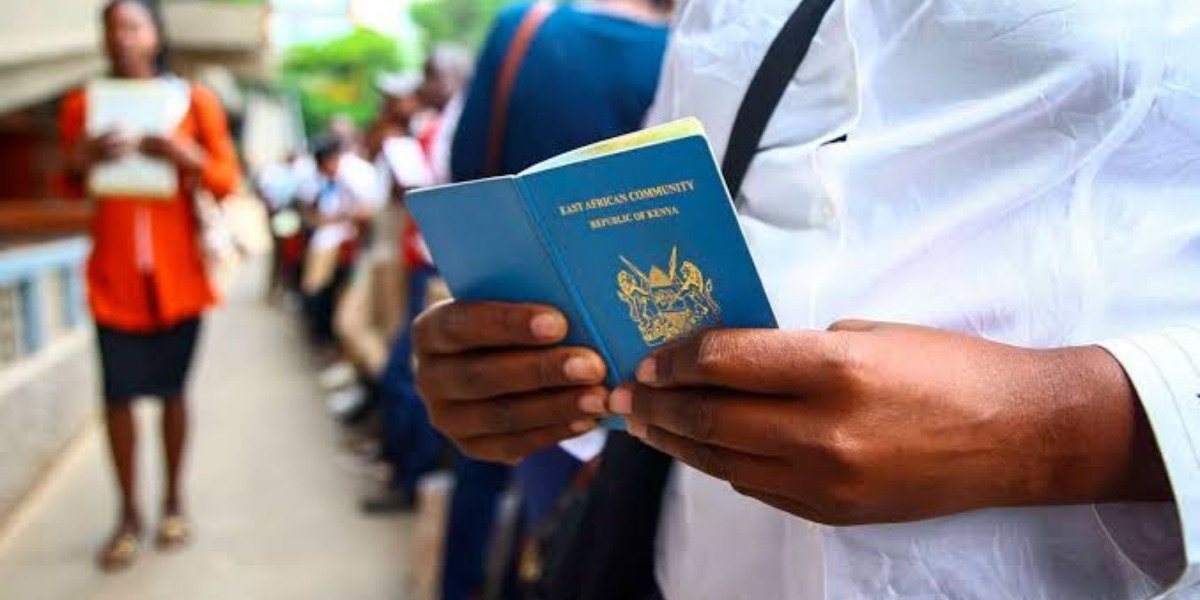
The International Organization for Migration (IOM) has warned that increasing numbers of East Africans are being trafficked into scam compounds in Asia, where they are forced to carry out online fraud under abusive conditions.
The agency said the problem, once largely associated with parts of Southeast Asia, is now affecting thousands of people from Africa, including Kenyans and Ethiopians. Many were recruited with promises of well-paid jobs abroad but instead found themselves confined in heavily guarded compounds. Their passports were taken, and they were forced to work long hours running online scams that targeted victims around the world.
Between 2022 and 2025, IOM assisted more than 3,500 victims of trafficking for forced criminality from 39 countries. The largest groups came from Indonesia, India, Sri Lanka, Ethiopia, Kenya and Bangladesh. The organisation said recruiters continue to target people seeking work overseas by advertising jobs that appear legitimate but are designed to deceive.
Frantz Celestin, IOM's Regional Director for East, Horn and Southern Africa, said the number of East Africans among those rescued shows the threat is growing across the region. He said criminal networks are actively targeting job seekers with false offers of employment abroad and called for greater vigilance and stronger cooperation between governments.
The scale of the problem is already evident in Kenya. In December 2025, the State Department for Diaspora Affairs confirmed that 119 Kenyans had been repatriated from Myanmar, while almost 200 others remained stranded and were awaiting assistance. In a separate case, a court in Kisumu awarded KSh7.37 million in damages to a woman who had been trafficked to Myanmar and forced to work for up to 17 hours a day in cryptocurrency fraud schemes.
Survivors have described being subjected to violence, threats, starvation, solitary confinement and sexual abuse. Many return home with lasting psychological trauma, significant debt and concerns that they could face prosecution for offences they were forced to commit. The United Nations Office on Drugs and Crime estimates that scam operations across East Asia, Southeast Asia, Australia and New Zealand generated up to US$114 billion in illicit revenue in 2025, highlighting the scale of the criminal networks.
The warning comes ahead of the World Day Against Trafficking in Persons on 30 July, which this year is being observed under the theme "Trapped Behind the Scam". The campaign aims to highlight that people forced into criminal activity are victims of trafficking who should receive protection rather than punishment.
Civil society organisations have also raised concerns about the scale of the crisis. In June, the Civil Society Network for Human Trafficking Victim Assistance reported that more than 5,300 people remained trapped in compounds near Myanmar's border with Thailand, including at least 20 Kenyans.
For Kenya and neighbouring countries, the challenge is to prevent recruitment by fraudulent agents while ensuring that survivors receive the support they need to recover and rebuild their lives. Celestin said that as migration opportunities expand, traffickers are using increasingly sophisticated methods.
He called for stronger public awareness, safer migration pathways, closer cross-border cooperation and better protection and assistance for victims.





Comments
No comments yet — be the first.