
New Solar Images Unveil Dynamic 'Whirlpools' of Activity
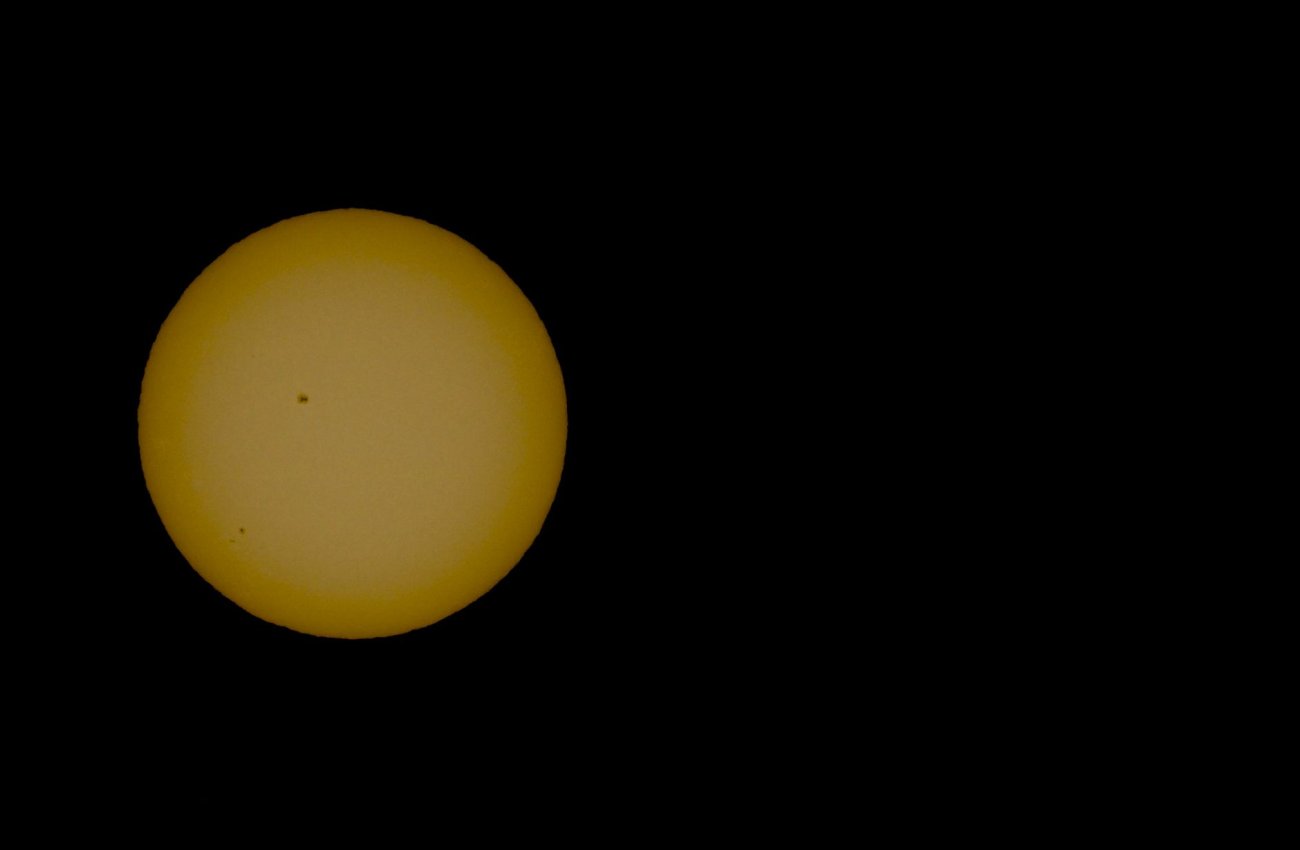
In a groundbreaking advancement for solar astronomy, newly released high-resolution images and footage have unveiled unprecedented details of the Sun’s surface, including dynamic 'whirlpools' of activity. These observations, facilitated by the European Space Agency’s Solar Orbiter, have provided scientists with the most detailed view of our star's complex behavior, capturing phenomena that were previously impossible to discern.
The images, shared by the European Space Agency (ESA) on August 5, 2026, reveal intricate patterns of magnetic fields and plasma movements, offering insights into solar processes that impact space weather. Caroline Harper, Head of Space Science at the UK Space Agency, stated, "These stunning images bring us closer to understanding the fundamental processes that dictate the Sun’s behavior and its influence on the solar system.” Harper emphasized the importance of these findings for predicting solar storms that can disrupt communication networks and power grids on Earth.
The Solar Orbiter, launched in February 2020 in collaboration with NASA, is equipped to withstand the intense heat and radiation of the Sun’s vicinity, allowing it to capture these exceptional views. The spacecraft's comprehensive suite of sensors and imagers has enabled it to perform detailed studies of the Sun’s magnetic activity, contributing to a broader understanding of solar phenomena. Daniel Müller, ESA’s Solar Orbiter Project Scientist, remarked, “These images are a testament to the incredible capabilities of our mission team and the cutting-edge technology aboard the Solar Orbiter.”
Understanding the Sun's magnetic dynamics is critical not only for scientific knowledge but also for practical applications. Solar activity can have far-reaching effects, particularly on satellite operations and the integrity of power infrastructure. For developing nations, which often have less resilient infrastructure, the ability to predict and mitigate the effects of solar storms is crucial. Enhanced prediction models informed by these new observations can aid in safeguarding technological systems globally.
As solar research progresses, the implications extend to climate science as well. The Sun’s activity cycles have known correlations with Earth's climate patterns, and this enhanced understanding could refine climate models used to predict long-term changes. ESA Director General Josef Aschbacher noted, "Comprehending solar dynamics is vital for forecasting both space weather and terrestrial climate impacts, and these new findings represent significant progress in both arenas.”
Looking forward, the Solar Orbiter will continue its mission, focusing on the Sun's polar regions, which remain less understood. These regions are believed to play a crucial role in the solar magnetic cycle, influencing the Sun’s overall activity. The ongoing research promises to unlock further mysteries of our closest star and its extensive influence across the solar system.






Comments
No comments yet — be the first.