

Cuba Adapts to Fuel Shortages Amid Heightened U.S. Sanctions
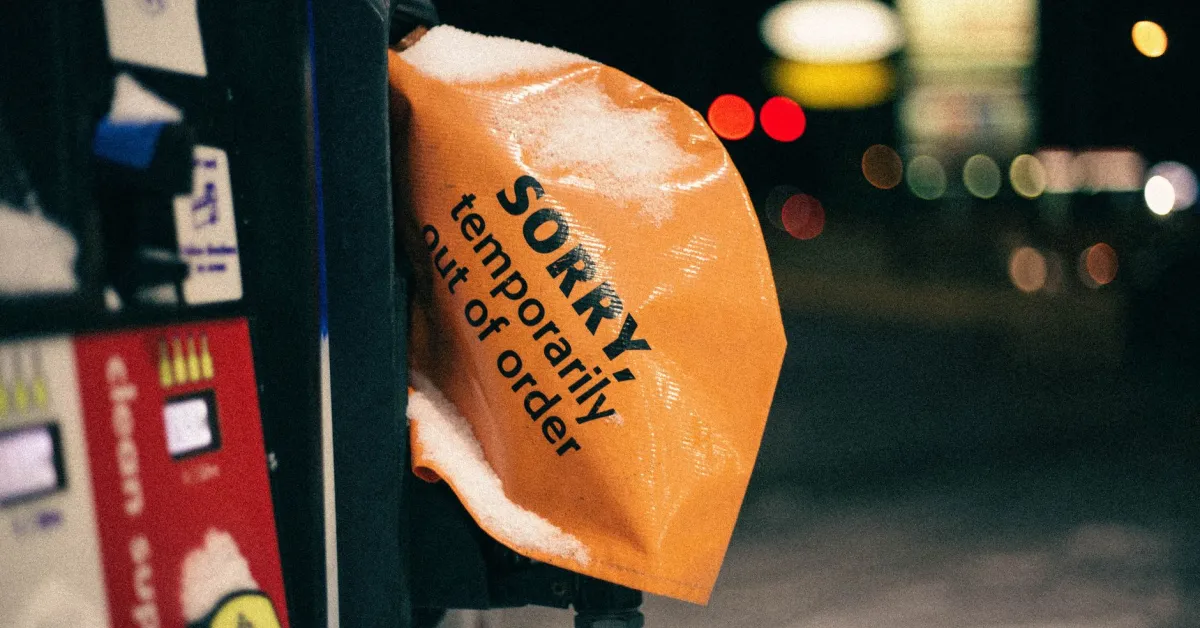
Cuba is grappling with acute fuel shortages as U.S. President Donald Trump's administration continues to enforce stringent sanctions, cutting off the island's access to critical oil imports. Despite these challenges, the Cuban government has displayed remarkable resilience and ingenuity in maintaining essential services and economic stability. The sanctions, which aim to pressure the Cuban government by blocking its primary oil suppliers, have been in place for over six months. "The United States will continue to hold the Cuban regime accountable for its oppression and human rights abuses," Trump recently affirmed, underscoring the administration's hardline stance.
The Cuban government has mobilized domestic resources and sought alternative strategies to circumvent the blockade. Efforts include enhancing local biofuel production and negotiating small-scale oil imports from allies. Cuban President Miguel Díaz-Canel has stated that the country will "not be defeated by external pressures" and emphasized the importance of national unity in overcoming these obstacles. The Cuban economy, heavily reliant on imported fuels, has suffered disruptions in public transportation and industrial output. However, the government has prioritized fuel allocations to critical sectors such as healthcare and agriculture to mitigate the impact on citizens' daily lives.
In the face of these sanctions, Cuba has ramped up its renewable energy initiatives, investing in solar and wind projects to reduce dependency on imported fuels. According to the Ministry of Energy and Mines, these efforts have increased the share of renewables in Cuba's energy mix to over 15% in 2026, a significant rise from previous years. This transition not only addresses the immediate shortages but aligns with long-term sustainability goals. "Cuba's commitment to renewable energy transformation is crucial for its energy security and economic resilience," remarked an official from the International Renewable Energy Agency (IRENA).
The situation in Cuba highlights broader implications for other developing nations that rely on imports for energy security. As global geopolitical tensions fluctuate, countries like Cuba may serve as case studies for resilience and adaptation in the face of international sanctions. Analysts suggest that similar strategies could benefit African nations facing resource constraints, particularly in regions vulnerable to external economic pressures. The ability to innovate under duress, as demonstrated by Cuba, could offer valuable lessons for enhancing energy independence across the developing world.
Looking ahead, the success of Cuba's measures against the backdrop of U.S. sanctions will be closely monitored, especially as the island nation continues to seek diplomatic avenues for relief. The ongoing situation underscores the complexities of international relations and the intricate balance of economic survival and political sovereignty in today's global landscape. As Cuba navigates these challenges, the international community remains attentive to the potential shifts in regional alliances and economic strategies stemming from these sanctions.













Add new comment