


Global Tensions Surge: Is World War III Already Underway?
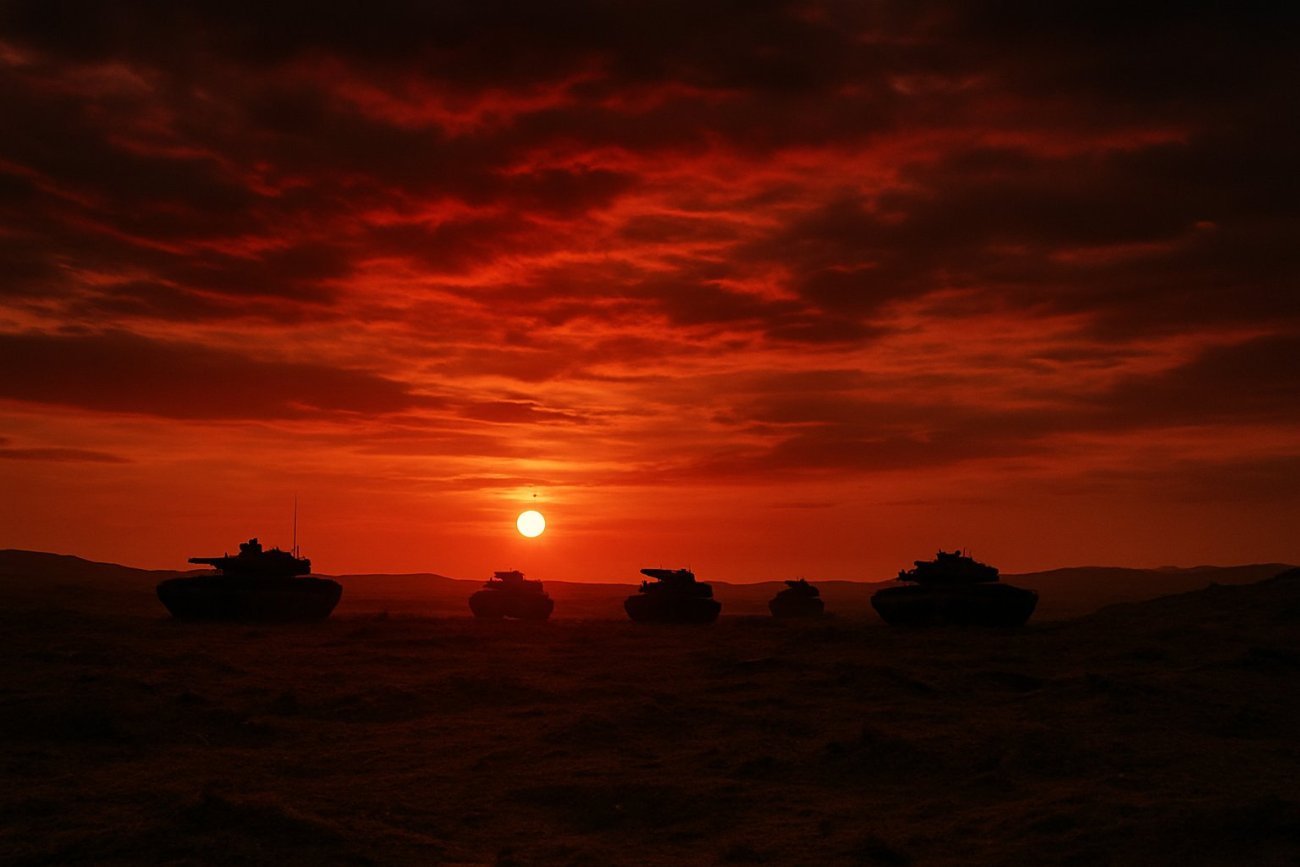
Recent developments in international relations have raised alarms, with many analysts questioning whether the world is on the brink of a third world war. Conflicts that once seemed isolated are increasingly intertwining, creating a complex web of geopolitical tensions that threaten to escalate into widespread warfare.
One of the most significant flashpoints is the ongoing conflict in Ukraine, where Russian military aggression has prompted a robust response from Western nations. The United States and its NATO allies have imposed stringent sanctions on Russia and provided military aid to Ukraine, fostering an environment ripe for further escalation. As Russian forces continue their offensive, the potential for direct confrontation between NATO and Russian troops looms large.
Simultaneously, tensions in the Indo-Pacific region are intensifying, particularly between the United States and China. The South China Sea has become a battleground for territorial disputes, with China asserting its claims over vast areas and conducting military drills that have drawn condemnation from neighboring countries and the U.S. The possibility of a military clash over Taiwan, which China considers a breakaway province, further exacerbates these tensions.
In the Middle East, the situation remains precarious as well. The ongoing conflict in Syria and the resurgence of militant groups pose a persistent threat to regional stability. The Iranian nuclear program continues to provoke concerns among Western nations, with diplomatic efforts to curtail its progress facing significant hurdles. Additionally, the recent normalization of relations between Israel and several Arab states has created new dynamics, leading to both opportunities and conflicts.
In Africa, various conflicts are simmering, with the potential for spillover effects that could draw in global powers. The instability in the Sahel region has led to increased violence and the proliferation of extremist groups. This situation has attracted the attention of both Western nations and Russia, as each seeks to expand its influence in the region.
The economic implications of these conflicts cannot be underestimated. The global economy is already feeling the strain from supply chain disruptions caused by the war in Ukraine, leading to higher energy prices and inflation. As nations grapple with these economic challenges, the potential for internal unrest increases, further complicating the geopolitical landscape.
Public sentiment in the West has also become increasingly polarized, complicating the ability of governments to respond effectively to these crises. Protests against military involvement and sanctions have emerged, reflecting a growing discontent with foreign policy decisions. This internal division may hinder the West’s ability to present a united front in the face of escalating global tensions.
Experts warn that the merging of these conflict spheres could lead to a multi-front war, with nations being drawn into larger confrontations due to alliances and mutual defense agreements. The concept of 'domino effect' in international relations suggests that once one major conflict escalates, it could trigger a chain reaction, involving other nations and regions.
The question remains whether diplomatic efforts can mitigate these tensions before they spiral out of control. Various international organizations, including the United Nations, have called for dialogue and negotiation, but progress has been slow and often met with resistance from key players.
As the world watches these developments unfold, the specter of World War III looms large in the minds of many. The interconnected nature of today’s conflicts, combined with the rising nationalism and militarization observed in several countries, points to a precarious global situation where the stakes have never been higher.




Comments
No comments yet — be the first.