


Kenyan Domestic Worker Sentenced to 100 Lashes in Saudi Arabia as Courtroom Reality Undercuts Promised Reforms

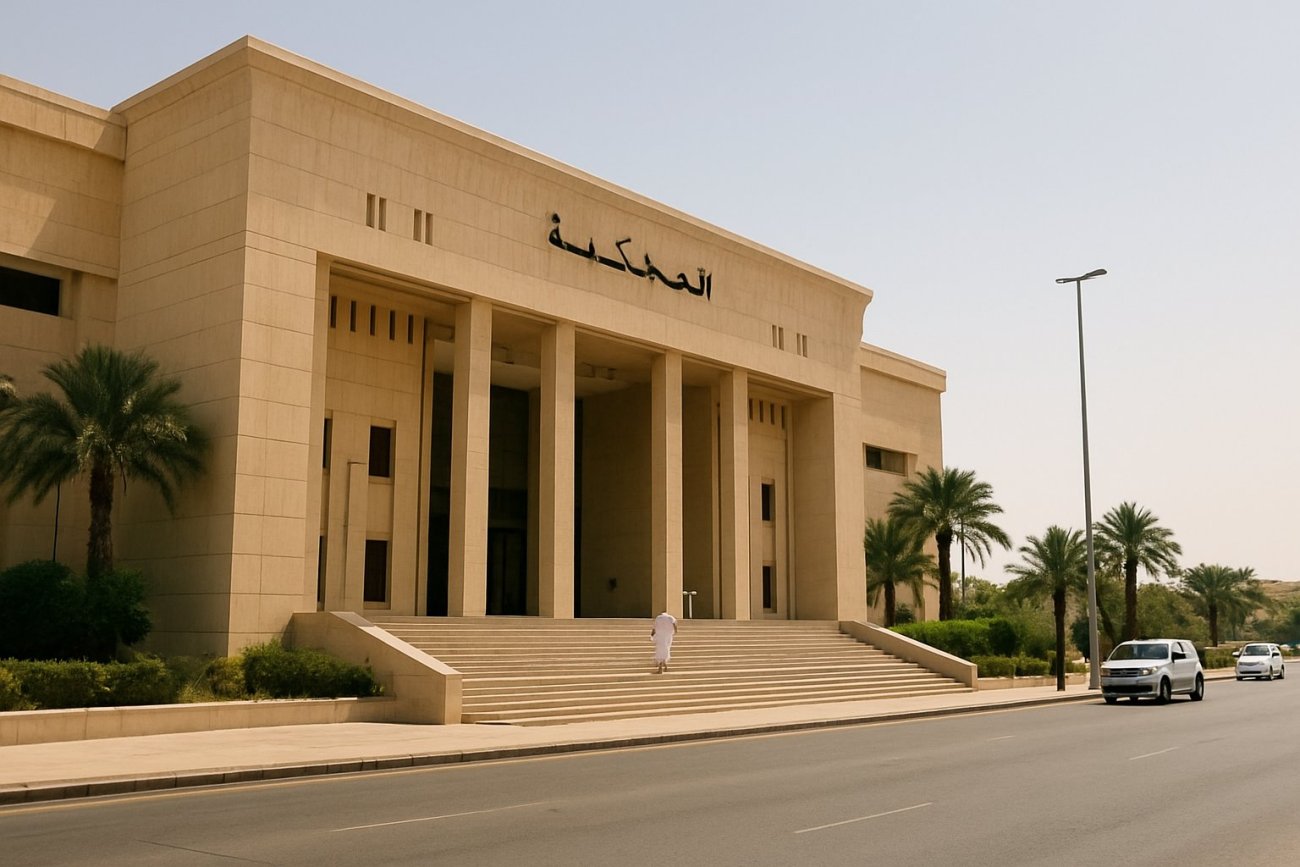
A court in Saudi Arabia has sentenced a Kenyan domestic worker to 100 lashes, according to a New York Times report that documents how the kingdom's promised reforms continue to diverge from the realities of its justice system. The sentence was imposed on an unmarried Kenyan woman employed in household work, the category of foreign laborer that the Times identifies as facing unique perils under Saudi law.
The case unfolded in Saudi Arabia, where millions of foreign workers, the majority of them in low-wage jobs, sustain the economy under a sponsorship system that ties their legal residency to individual employers. Domestic workers are especially exposed because they live in their employers' homes, depend on those employers for their documents and their permission to remain in or leave the country, and often have little independent access to money, phones or outside contact.
The punishment is notable because Saudi Arabia announced in 2020 that flogging had been abolished as a judicial penalty, with the state-affiliated Human Rights Commission stating at the time that courts would substitute imprisonment or fines for the lash. A sentence of 100 lashes indicates that corporal punishment has not been fully excised from courtroom practice despite the official commitment, a gap the Times frames as part of a broader pattern in which announced reforms do not always match outcomes on the ground.
Saudi courts operate under a system rooted in Islamic law with broad judicial discretion, though the kingdom has moved in recent years to codify offenses and standardize penalties as part of the reform agenda attached to its Vision 2030 program. Unmarried women, and particularly foreign workers, remain exposed to prosecution in matters involving relationships and pregnancies outside marriage, which are criminal offenses in the kingdom, and domestic workers frequently lack the local support networks, documentation and mobility needed to mount an effective defense.
Saudi Arabia moved in 2021 to loosen parts of the kafala sponsorship system through the Labour Reform Initiative, which allowed many private-sector employees to change jobs or leave the country without an employer's consent. Household staff have seen less benefit from those changes than workers in other sectors, and scrutiny of domestic labor conditions in the kingdom has persisted among international monitors even as the government has promoted its modernization record.
Saudi Arabia is a major destination for Kenyan migrant labor, and Nairobi and Riyadh have negotiated bilateral labor agreements intended to govern recruitment, contracts and worker protection. How Kenyan authorities handle the case through those channels, and through the Kenyan embassy in Riyadh, will bear directly on the worker's prospects of avoiding the physical punishment ordered by the court.
What to watch next is whether the lashing order is carried out, reduced on appeal or commuted, and whether diplomatic engagement between the two governments alters the outcome. The sentence also lands at a moment of heightened international attention to Saudi Arabia's legal and labor systems, as the kingdom prepares to host Expo 2030 in Riyadh and the 2034 FIFA World Cup, global events that have intensified examination of its courts, its treatment of migrant workers and the distance between its reform commitments and its sentencing practices.






Comments
No comments yet — be the first.