

Six Ukrainian energy sites hit by Russia since Trump announced ceasefire, Zelensky says
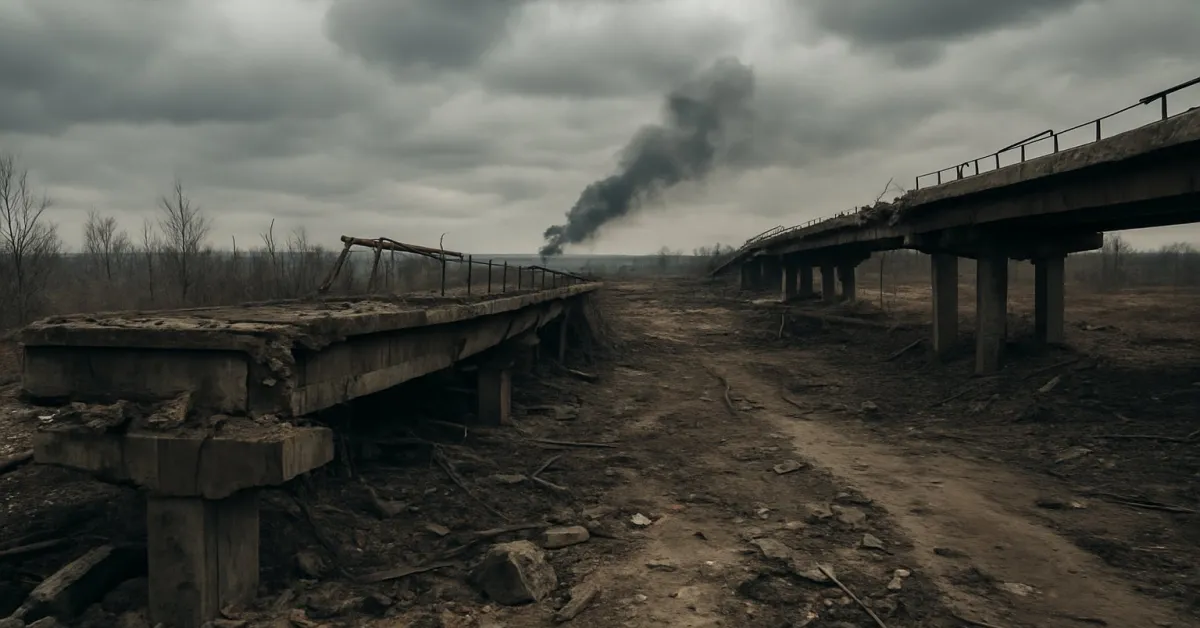
In a troubling development, six energy sites in Ukraine have been struck by Russian forces since U.S. President Donald Trump announced a ceasefire aimed at protecting Ukrainian energy infrastructure. This assertion comes directly from Ukrainian President Volodymyr Zelensky, who has expressed deep concern over the ongoing attacks that contradict the assurances given by the U.S. administration.
The strikes reportedly occurred despite the explicit announcement from President Trump that energy infrastructure would not be targeted during this ceasefire period. The continued bombardment raises significant questions about the effectiveness of international diplomatic efforts to stabilize the situation in Ukraine, which has been embroiled in conflict since 2014.
As winter approaches, the implications of these attacks are particularly severe for the Ukrainian populace, who are already grappling with the ongoing energy crisis. With electricity outages becoming a common occurrence, the prospect of another harsh winter without reliable energy sources looms large. This situation not only affects the daily lives of Ukrainians but also poses a broader challenge to European energy security, as Ukraine plays a critical role in the transmission of energy supplies to the continent.
The ongoing conflict and the recent escalation of attacks on energy infrastructure highlight the precarious nature of Ukraine's security situation. The international community, including key players such as the European Union and NATO, remains vigilant as they assess the potential repercussions of these developments. The ability of Ukraine to maintain its energy supply during the winter months is crucial, not only for its citizens but also for regional stability.
For the Kenyan diaspora, the situation in Ukraine serves as a stark reminder of the fragility of peace and the impact of geopolitical tensions on everyday life. Many Kenyans abroad are closely monitoring the developments in Ukraine, as they may influence global energy prices and, consequently, economic conditions back home. The interconnectedness of global economies means that events in one part of the world can have ripple effects that reach far beyond national borders.
Furthermore, the ongoing conflict underscores the importance of international solidarity and support for nations facing aggression. As the Kenyan diaspora reflects on these events, it becomes increasingly clear that the global community must stand united in promoting peace and stability, not only in Ukraine but in all regions affected by conflict.
The situation remains fluid, and as more information emerges, the international community will be watching closely to see how the situation evolves and what measures may be taken to address the ongoing challenges faced by Ukraine.
















Add new comment