


ACLU Warns ICE Tracks Noncitizens Through Airline Passenger Data — Even on Domestic Flights: Know Your Rights at US Airports

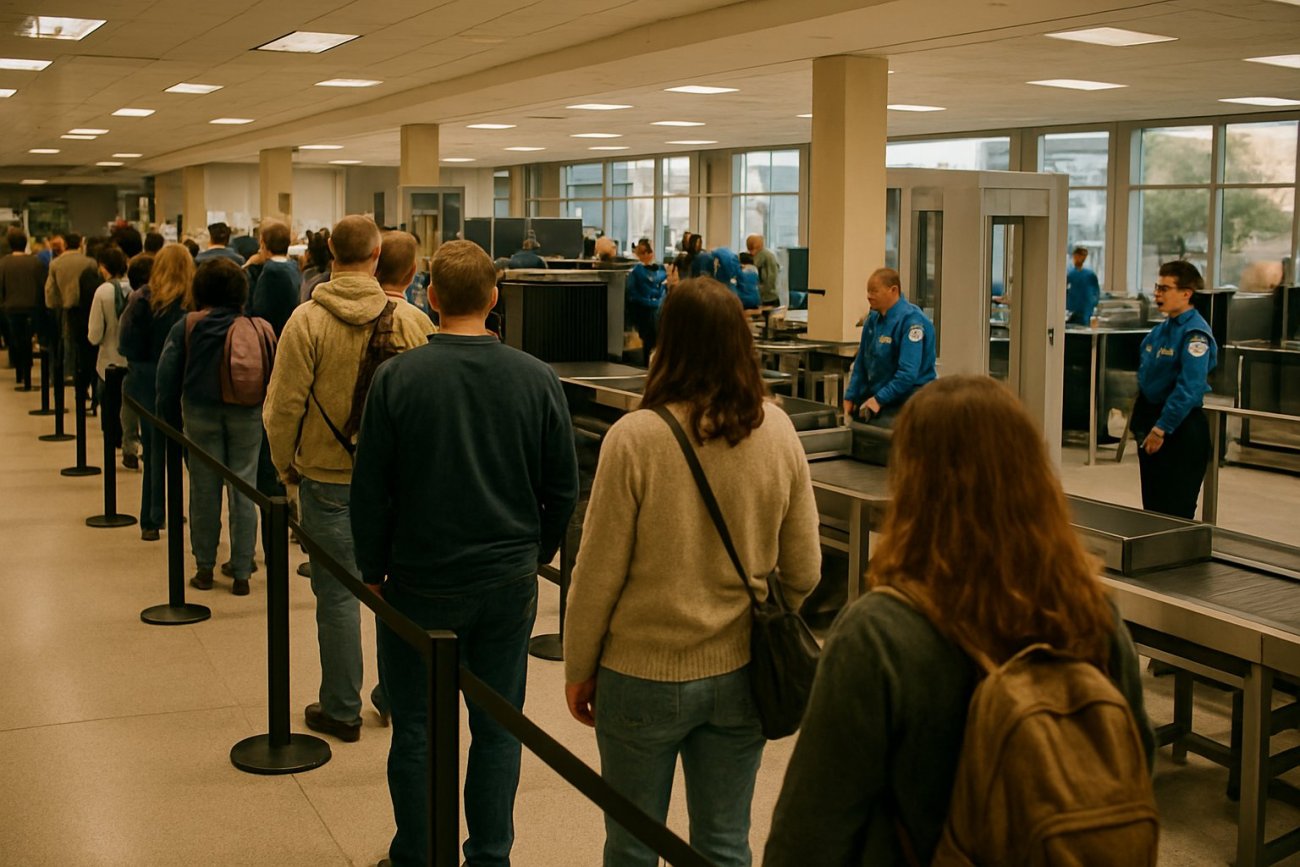
The American Civil Liberties Union is warning noncitizens that Immigration and Customs Enforcement uses airline passenger information to locate and arrest people, including on flights that operate entirely within the United States. In its know-your-rights guidance for travelers encountering law enforcement at airports and other ports of entry, the organization says immigration enforcement at airports is not limited to international arrivals and can affect any noncitizen holding a boarding pass.
The ACLU identifies several groups facing elevated risk at airports and ports of entry: lawful permanent residents with certain prior encounters with immigration authorities, people with final orders of removal, DACA recipients, holders of Temporary Protected Status, people admitted on parole, those with pending immigration applications, and anyone with prior criminal arrests, even if the cases did not result in convictions.
Travelers may encounter three distinct federal agencies, each with a different role. Customs and Border Protection officers operate at ports of entry, including international airport arrivals areas, where they inspect people entering the country. ICE officers enforce immigration law inside the United States and are present at airports themselves. Transportation Security Administration officers staff passenger screening checkpoints, where their focus is security screening.
At a port of entry, the ACLU says, the rules differ sharply from those inside the country. Border officers have broad authority to stop, question, and search travelers, even those presenting valid visas or green cards. Officers may question travelers about their immigration status, the purpose of their trip, and their background, and may refer them to secondary inspection for additional questioning and searches that can last hours.
The guidance for anyone pulled aside is to stay calm and not argue or interfere with officers, since resistance can itself lead to problems. Travelers can ask whether they are free to leave; if the answer is yes, they may calmly walk away. The ACLU urges travelers not to sign any document without having a lawyer review it first. Noncitizens may ask to speak with an attorney, but the organization notes that at the border and ports of entry, noncitizens do not have the right to have an attorney present during inspection.
Phone and laptop searches are a central concern in the guidance. Border officers may conduct manual searches of electronic devices without any individualized suspicion, a position a federal appeals court affirmed in July 2026 in a decision upholding suspicionless phone searches at the border. Travelers can decline to provide passwords, but the ACLU warns that agents may then seize the device and hold it, and that it may not be returned for weeks or longer.
For noncitizens, there is an additional consequence that does not apply to citizens: refusing to unlock a device or provide a password can be used against the traveler in decisions about admission to the United States. The same refusal carries far fewer consequences for US citizens, who cannot be denied entry.
To reduce exposure, the ACLU recommends carrying as little sensitive data as possible when traveling, considering the use of a clean device that holds only what is needed for the trip, and powering devices off before reaching the border or a checkpoint.
Arriving noncitizens also face the risk of expedited removal, a process that allows border officers to deport certain arriving travelers quickly, without a hearing before an immigration judge. The ACLU advises travelers never to misrepresent anything to border officers, since a finding of misrepresentation or a determination that a traveler lacks valid documents can trigger expedited removal on the spot.
On religious head coverings, the guidance says travelers have the right to keep them on during screening and should not be asked to remove them in public. Travelers may request a private screening and, where available, screening by an officer of the same gender.
For those flying with children, the ACLU recommends keeping each child's travel documents together with the adult's, allowing extra time at the airport, talking to children in advance about staying calm and following instructions, and knowing that parents can generally accompany a child who is selected for additional screening.
The organization stresses that the broad border search powers apply only at ports of entry and the border itself. Away from the border, inside the United States, noncitizens generally have greater protections, including the right to remain silent and the right to refuse consent to a search of their belongings.



Comments
No comments yet — be the first.