


USCIS Reports 2.2 Million Immigration Enforcement Actions Since January 2025
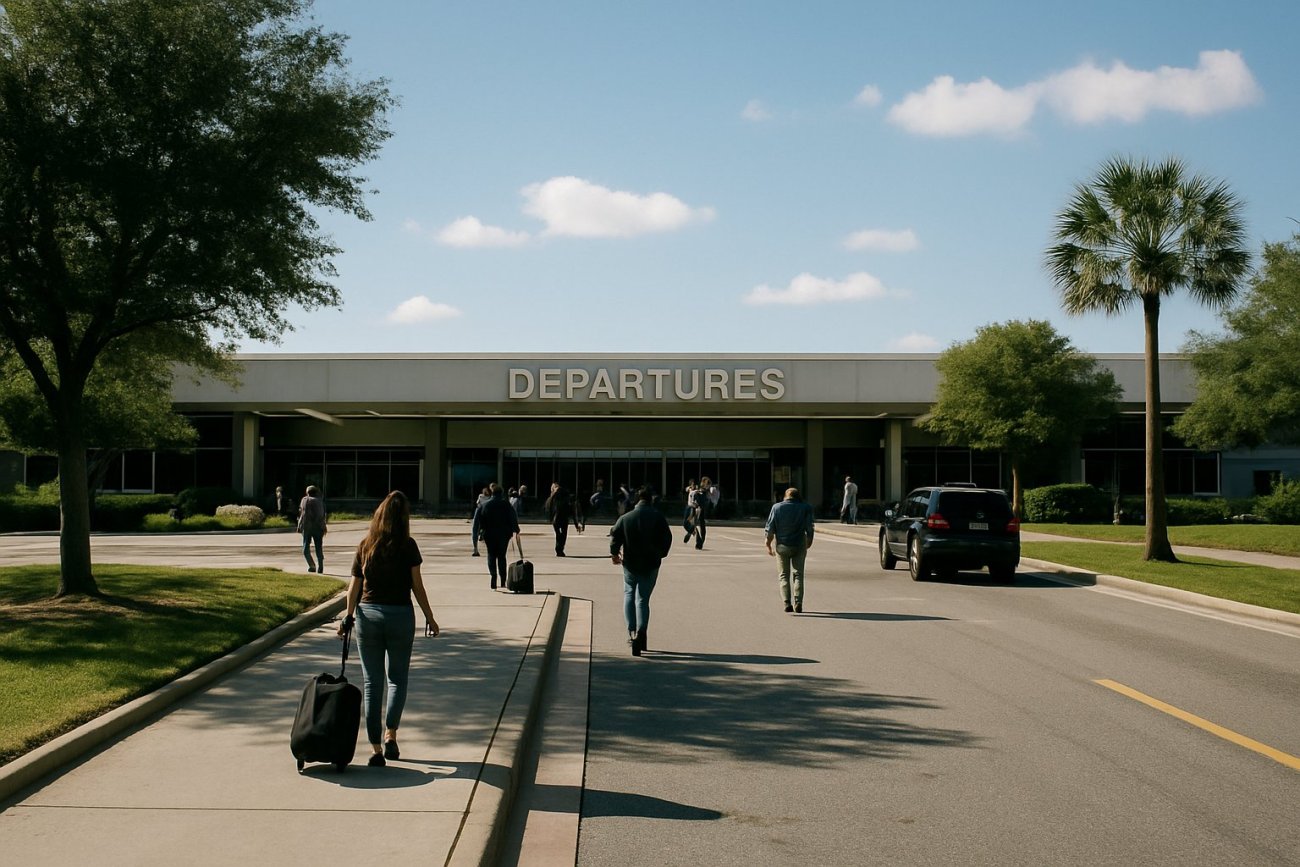
WASHINGTON — U.S. Citizenship and Immigration Services has reported 2.2 million immigration enforcement actions since January 2025, an official tally that measures the scale of the immigration crackdown running through President Donald Trump's second term and now defining the legal environment that Kenyan and other African immigrants in the United States must navigate.
The figure, published by the security trade outlet Homeland Security Today, which tracks the Department of Homeland Security and its components, covers detention and removal activity from Trump's inauguration in January 2025 through the current reporting period in November 2026. Spread across the roughly 22 months in between, it works out to an average of about 100,000 enforcement actions per month, a sustained pace of interior enforcement across the United States.
USCIS, the agency best known for adjudicating green card, work permit and citizenship applications, is one of the major components of the Department of Homeland Security, alongside U.S. Immigration and Customs Enforcement and U.S. Customs and Border Protection, the two agencies that carry out arrests, detention and deportation nationwide. DHS Secretary Kristi Noem has led the department for the entire period covered by the count.
In federal usage, an enforcement action can cover the arrest of a noncitizen, placement in an immigration detention facility, service of a notice to appear in immigration court, and removal from the United States. Cumulative tallies of this kind generally count each action separately, so the total can reflect multiple actions involving the same individual as a case moves from arrest to detention to deportation.
ICE holds noncitizens in a network of detention centers across the country, many operated by private contractors or housed in county jails, while their removal cases proceed in the immigration courts run by the Executive Office for Immigration Review, an agency of the Department of Justice.
The surge rests on tools the administration deployed immediately after taking office on January 20, 2025. They include expanded use of expedited removal, a fast-track process that permits deportation without a hearing before an immigration judge; 287(g) agreements, named for the provision of the Immigration and Nationality Act that lets DHS deputize state and local police to perform immigration enforcement; and the Laken Riley Act, signed in January 2025, which requires the detention of certain noncitizens charged with theft-related offenses. The administration has also pressed other governments to accept removal flights carrying deportees from the United States.
Worksite enforcement adds another layer of exposure for diaspora workers. ICE inspects employer records using Form I-9, the employment eligibility verification form every new hire must complete, and businesses found in violation face civil penalties. Audits that surface problems can draw scrutiny to individual employees as well as the employer. USCIS also operates E-Verify, the online system many employers use to confirm a new hire's permission to work.
The numbers land with particular weight in the Kenyan community. The United States is home to one of the largest Kenyan diaspora populations in the world, and the Central Bank of Kenya has for years recorded North America as the largest single source of the remittances Kenya receives from citizens abroad, inflows the bank counts in the billions of dollars each year. Detention and removal involving diaspora members therefore carry direct economic consequences for households in Nairobi, Kisumu, Mombasa and across all 47 counties.
Established protections apply to nationals caught up in enforcement. The Vienna Convention on Consular Relations gives a detained foreign national the right to have authorities notify his or her consulate, and the Kenya Embassy in Washington provides consular assistance to Kenyan nationals in the United States, including those held in immigration detention. Consular officers can visit detained nationals, supply information on local attorneys and relay news to families back in Kenya.
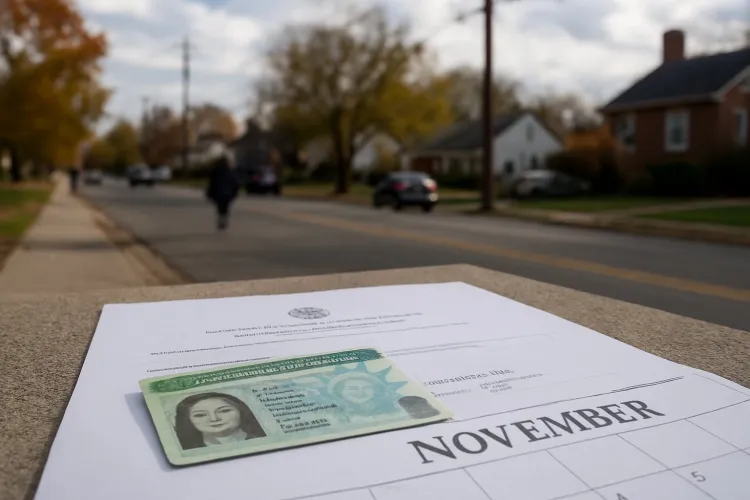
Even as enforcement totals climb, USCIS continues to adjudicate the applications that anchor lawful status, including family-based petitions, adjustment of status to lawful permanent residence, naturalization and employment authorization. One standing obligation applies across categories: noncitizens must report any change of address within 10 days of moving, a requirement set out in Section 265 of the Immigration and Nationality Act and met by filing Form AR-11.
The requirement carries teeth. Willful failure to notify the government of an address change is a misdemeanor under Section 266 of the Immigration and Nationality Act, and a stale address on file can mean a missed notice of a court hearing, one of the most common routes to a removal order issued in absentia.




Comments
No comments yet — be the first.