


Unpaid Taxes Could Jeopardize US Green Card Applications, Immigration Lawyers Warn as USCIS Scrutinizes Tax Compliance

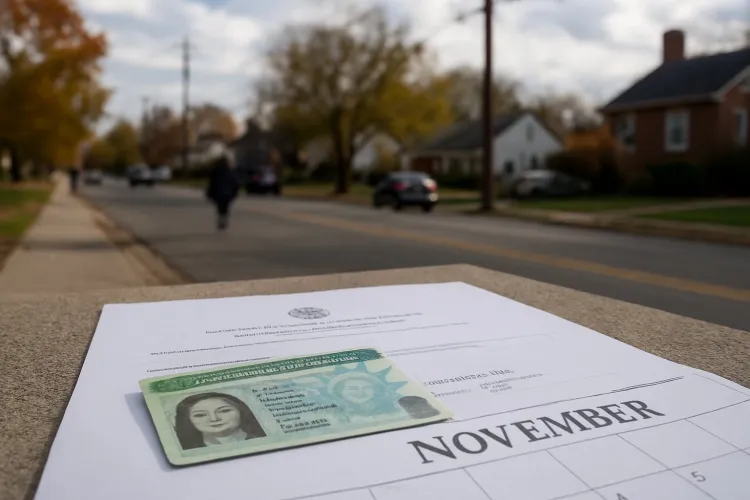
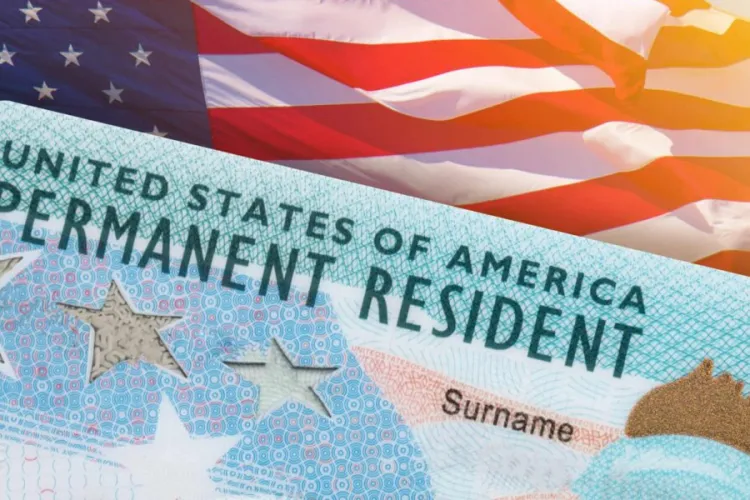
Immigration lawyers in the United States are warning that unpaid federal taxes can jeopardize green card applications, a caution reported by The Times of India on November 1, 2026, that points to heightened scrutiny of tax compliance by US Citizenship and Immigration Services in adjustment-of-status adjudications.
The warning, directed at foreign nationals applying for lawful permanent residence in the United States, lands as USCIS, the Washington-based agency within the Department of Homeland Security that adjudicates green card petitions, continues to weigh applicants' financial histories in deciding whether they may remain in the country permanently.
For applicants adjusting status from within the United States, the process runs through Form I-485, the Application to Register Permanent Residence or Adjust Status. In most family-based cases, the petitioning relative must also file Form I-864, the Affidavit of Support Under Section 213A of the Immigration and Nationality Act, which obliges the sponsor to submit federal income tax returns for the three most recent tax years and to demonstrate household income of at least 125 percent of the federal poverty guidelines published by the Department of Health and Human Services.
Tax problems can surface at that stage, because a sponsor with unfiled returns or an unresolved balance owed to the Internal Revenue Service may fail the income documentation requirements, and because tax delinquency feeds into the public charge analysis. Section 212(a)(4) of the Immigration and Nationality Act renders inadmissible any applicant judged likely to become primarily dependent on government assistance, and the DHS final rule on the public charge ground of inadmissibility, effective December 23, 2022, directs officers to consider an applicant's financial resources alongside age, health, education and skills.
The sensitivity of tax records to green card adjudication has recent precedent. The 2019 public charge rule required applicants to submit Form I-944, the Declaration of Self-Sufficiency, which collected tax filing history, debts and credit information before USCIS discontinued the form in March 2021 following court challenges.
The exposure extends to applicants themselves, not only their sponsors. Foreign nationals who meet the IRS substantial presence test, generally 31 days in the current year and 183 weighted days over a three-year period, are treated as tax residents and must file US returns, and anyone granted a green card becomes a US tax resident from the date lawful permanent residence is conferred. Unfiled returns and unpaid balances also accrue penalties on their own: the IRS failure-to-file penalty is 5 percent of unpaid tax for each month or part of a month a return is late, capped at 25 percent, while the failure-to-pay penalty is 0.5 percent per month, also capped at 25 percent, with interest compounding on both until the balance is settled.
The IRS maintains formal mechanisms for resolving such liabilities, including installment agreements requested through Form 9465, offers in compromise filed on Form 656, and tax return transcripts obtainable through Form 4506-T, the document USCIS adjudicators and consular officers commonly accept as proof of filing history.
For Kenyan applicants, the warning carries direct weight in the categories through which most adjust status, including immediate relatives of US citizens, family preference petitions and employment-based filings. Applicants processing through the National Visa Center at the US Embassy in Nairobi face the same sponsor documentation requirements, with tax returns for the three most recent years standing among the required supporting evidence.
The stakes also extend beyond the green card itself. Naturalization applicants complete Form N-400, which requires disclosure of any failure to file required federal, state or local tax returns, and unpaid tax liabilities are among the factors weighed under the good moral character standard in Section 316 of the Immigration and Nationality Act, applied over the five years preceding the application, or three years for certain spouses of US citizens under Section 319(a).
The Times of India report, dated November 1, 2026, adds that the concern has grown more acute as immigration enforcement priorities have tightened across the second Trump administration, with agencies cross-referencing IRS records in cases where financial support claims are in doubt. Failure-to-file and failure-to-pay penalties continue to accrue monthly until the underlying tax debt is paid in full or formally resolved with the IRS.


Comments
No comments yet — be the first.