


US Seizes $750,000 in Stolen Student Aid Funneled Through Fake Kenyan Safari Company in 'Ghost Students' Fraud Bust
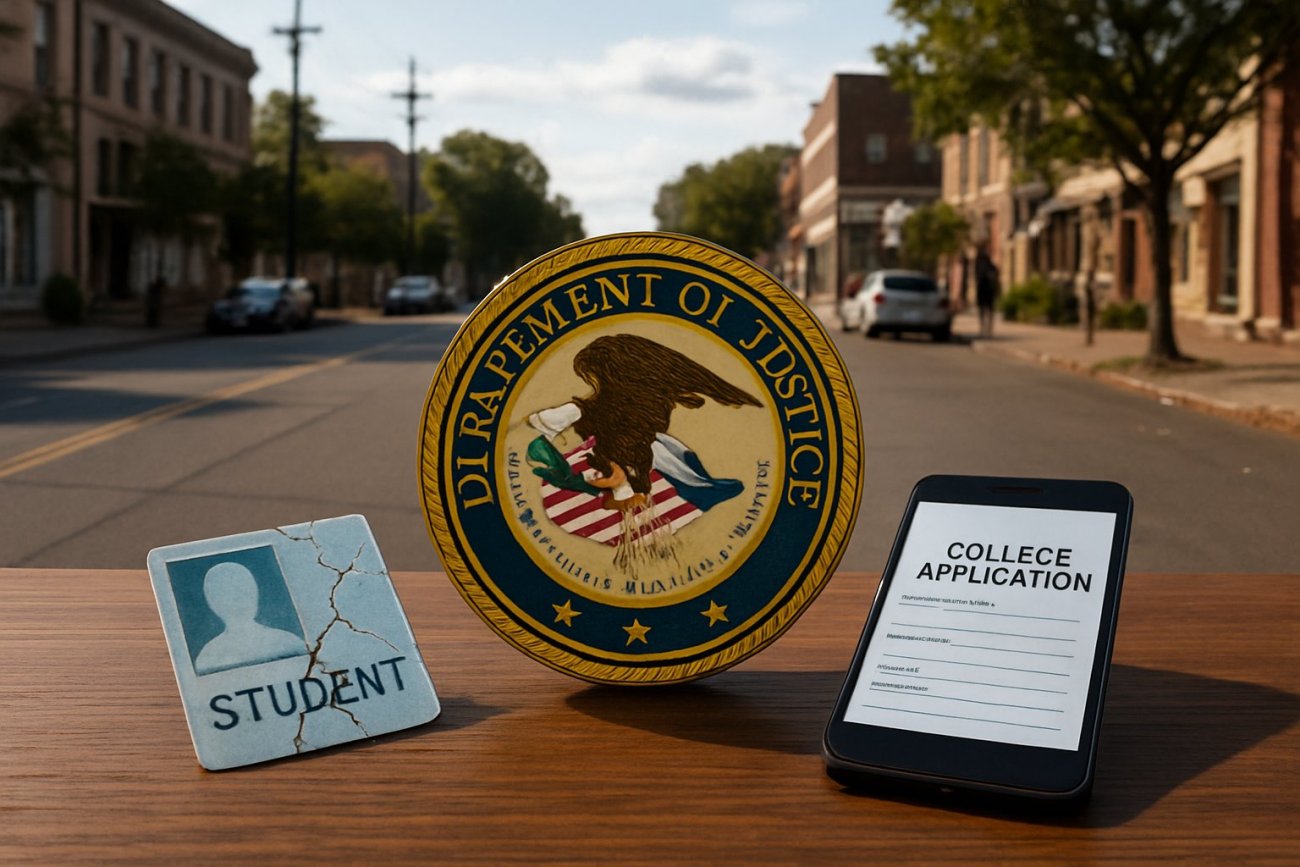
The U.S. Justice Department has announced criminal charges against five people accused of defrauding federal financial aid programs by enrolling "ghost students" who existed only on paper, and has seized approximately $750,000 in stolen funds.
Assistant Attorney General for Fraud Colin McDonald announced the five indictments at a press conference in Washington, describing the enforcement effort as "Operation Ghostbusters." "This is organized fraud at scale," McDonald told reporters.
Investigators say the network operated in both the United States and Kenya. Using stolen identities, members of the scheme applied for federal financial aid and enrolled fictitious students at colleges. Once the funds were disbursed, the money was moved out of the country, with a significant portion landing in the accounts of a phony safari company based in Kenya that had been set up to receive the proceeds.
The Kenya-linked portion of the scheme is believed to have netted approximately $2 million, according to investigators.
Three of the five defendants — Mabed Utate-Alberto, Patricia Perez and George Mendez — were charged in New Jersey. Prosecutors allege the three acted as "money mules," opening bank accounts in the United States that were used to transfer approximately $1.3 million to Kenya.
Two Kenyan citizens were indicted separately, one in Nebraska and another in Virginia, in connection with the same operation.
The cases stem from what federal authorities describe as a coordinated effort to dismantle networks that exploit federal student aid programs. Under the system the defendants allegedly targeted, financial aid — including grants and loans — is disbursed through institutions on behalf of enrolled students. After tuition and fees are covered, any remaining balance is typically refunded directly to the student for living expenses. Fraud rings seek to capture those refunds by creating bogus enrollments.
So-called ghost student schemes generally rely on stolen personal identifying information, such as names, birth dates and Social Security numbers, to complete aid applications and admissions paperwork without the knowledge of the people whose identities are being used. Because much of the process can be completed remotely, the fictitious applicants never have to appear in person at the institutions where they are enrolled.
Money mules play a central role in such operations by providing legitimate-looking domestic bank accounts that can receive the disbursed funds before they are wired abroad. Layering the transfers through multiple accounts and moving the money overseas makes it harder for banks and regulators to trace the trail back to the fraudsters.
In this case, prosecutors say the funds routed through the New Jersey accounts ultimately reached a safari company in Kenya that served as a repository for the stolen aid money. The approximately $750,000 seized by the government represents a portion of the proceeds investigators were able to recover.
Seized funds in federal fraud cases are generally subject to forfeiture proceedings, in which the government seeks to permanently keep the property as proceeds of criminal activity. Defendants can contest forfeiture as part of the legal process.
Federal authorities have warned in recent years that fraud involving fictitious or stolen identities in student aid programs has grown as enrollment and aid applications have shifted online, prompting increased coordination between the Justice Department, the Department of Education and financial institutions to flag suspicious applications.
The indictments unsealed this week add to the charges brought through Operation Ghostbusters, the multi-district effort unveiled by McDonald. The cases in New Jersey, Nebraska and Virginia will proceed separately in federal court, where the defendants will face the charges against them.





Comments
No comments yet — be the first.