


US Court Blocks Reopening of 55,000-Visa Green Card Lottery, Leaving African Applicants Uncertain Over 2027 Entry

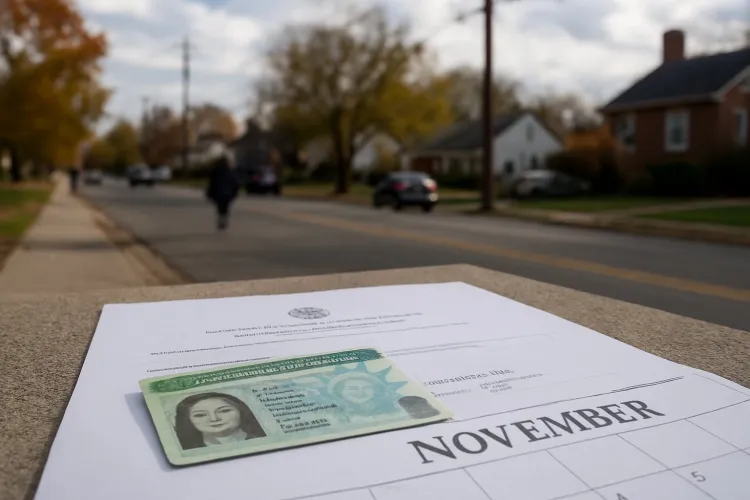
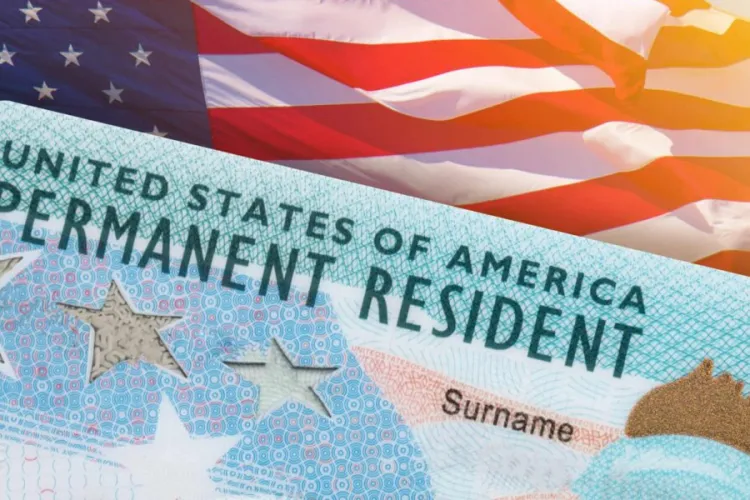
A United States court has blocked the reopening of the 55,000-visa Diversity Visa lottery, leaving African applicants uncertain over the 2027 entry cycle and dealing a setback to one of the most accessible routes to a Green Card for nationals of countries with historically low rates of immigration to the United States.
The ruling was reported by Business Insider Africa on October 30, 2026. The decision was issued in the United States, where the Diversity Immigrant Visa program, popularly known as the Green Card lottery, is administered by the U.S. Department of State, and it leaves the position of African entrants for the 2027 draw unresolved.
Kenya sits at the center of that uncertainty. The country is historically eligible for the program and registers millions of entrants every year, according to the report, making the court's decision directly consequential for Kenyan applicants at home and for members of the diaspora who follow the annual draw closely.
Congress created the Diversity Visa program under the Immigration Act of 1990, and it operates under Section 203(c) of the Immigration and Nationality Act. The program makes up to 55,000 immigrant visas available each fiscal year to nationals of states that sent fewer than 50,000 immigrants to the United States over the previous five years. Selection is made through a random computer drawing run by the Kentucky Consular Center, and no single country may receive more than 7 percent of the available visas in any given year.
By refusing to reopen the lottery, the court left the existing state of play in place. African applicants who had looked to the case as a possible new opening now face continued doubt about whether, and on what terms, the 2027 entry will proceed. The report described the practical outcome for African would-be entrants as one of prolonged uncertainty rather than outright closure of the program.
Selection itself is only the first hurdle for entrants. Under the program's rules, selectees must show at least a high school education or its equivalent, or two years of work experience within the past five years in an occupation that requires at least two years of training or experience. They must also pass medical examinations and background checks, and their applications must be completed before the fiscal-year deadline for visa issuance. Kenyan selectees living abroad are typically processed through visa interviews at the U.S. Embassy in Nairobi, while those already lawfully present in the United States may pursue adjustment of status through U.S. Citizenship and Immigration Services.
Entry to the lottery has always been free, with the sole official channel for registration and results being the State Department's electronic system at dvprogram.state.gov. Applicants learn their outcome only through the Entrant Status Check on that site. The department has long cautioned entrants against intermediaries and agents who charge fees for registration or who promise guaranteed selection, a recurring problem for applicants across Africa, where the lottery draws enormous interest each year.
African nationals have historically figured prominently among Diversity Visa selectees over the program's three-decade history, and the annual instructions listing eligible countries are watched closely across the continent. Eligibility can shift from year to year because it is tied to U.S. immigration statistics from the preceding five years, which is one reason legal fights over the program's operation ripple far beyond American courtrooms.
The lottery has also faced repeated attempts in Congress over the years to eliminate or restructure it, and any permanent change to the program would require legislation rather than a court order alone. For now, the effect of the ruling is immediate and narrow: no reopening will occur, and the 2027 entry pathway for African applicants remains in doubt, with future clarification resting on further court action or new guidance from the State Department.


Comments
No comments yet — be the first.