

US Judge Restores Biometric Checks for Detained Immigrants Seeking Legal Status

A US federal judge has temporarily blocked a Trump administration policy that prevented many detained immigrants from completing biometric checks required for immigration applications, restoring access to the process while a legal challenge continues.
In a ruling issued on Wednesday, US District Judge Amir H. Ali found that the Department of Homeland Security (DHS) had not adequately justified the policy introduced in December 2025. The measure halted routine biometric data collection for many immigrants in detention, affecting applications for permanent residency, humanitarian protection and special visas for victims of human trafficking and certain crimes.
Fingerprints, photographs and other biometric information are required for many immigration applications. They help authorities verify applicants’ identities and conduct security and background checks. Without this information, officials cannot complete the processing of affected applications.
Before the policy was introduced, Immigration and Customs Enforcement (ICE) helped detained immigrants attend biometric appointments when they could not travel independently. The revised policy removed that assistance while retaining rules that allow authorities to reject applications if applicants fail to attend scheduled appointments.
Immigration lawyers and civil rights advocates argued that the change placed detainees in an impossible position. Those held in detention could not independently attend appointments, yet their inability to appear did not automatically protect them from having their applications rejected. As a result, applicants risked losing access to immigration benefits because of circumstances beyond their control.
The legal challenge was brought by six detained immigrants in a class-action lawsuit filed earlier this year. Their lawyers argued that the policy undermined protections established under immigration law and violated the Administrative Procedure Act, which governs how federal agencies introduce and implement policies. They said the government had created barriers that prevented eligible applicants from pursuing legal forms of relief.
Judge Ali found that the plaintiffs had a strong likelihood of demonstrating that the policy was arbitrary and unlawful. He concluded that federal officials had failed to provide an adequate explanation for the change or properly consider its effects on detained immigrants seeking legal status or other immigration benefits.
The judge also questioned the administration’s argument that suspending biometric collection would help prevent fraudulent or unmeritorious applications. He noted that biometric checks are themselves an important tool for identifying ineligible applicants and maintaining the integrity of the immigration system.
The government’s position faced further scrutiny during court proceedings when a lawyer representing the administration was asked how the policy advanced its stated objectives. The lawyer responded: “That’s a good question. I don’t have an answer to that right now.”
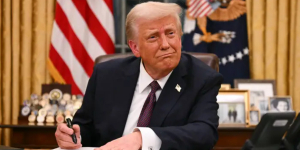
The ruling comes as President Donald Trump’s administration pursues stricter immigration enforcement measures. Since returning to office, the administration has expanded detention and deportation efforts while increasing scrutiny of asylum applications and other legal immigration routes.
Supporters of the approach argue that tighter controls are necessary to strengthen border security and prevent abuse of the immigration system. Critics maintain that some measures have also made it harder for eligible immigrants to access procedures and protections provided under existing law.
The court’s order temporarily blocks the policy nationwide and restores the previous procedures for detained immigrants applying for benefits through US Citizenship and Immigration Services (USCIS). DHS must resume facilitating biometric collection while the legal proceedings continue.
However, the ruling does not determine whether the affected applicants qualify for immigration benefits. They must still meet the relevant legal requirements and await decisions on their individual cases. The order also does not require the government to release them from detention.















Add new comment