


U.S. Justice Department Moves to Revoke Citizenship of 40 Individuals
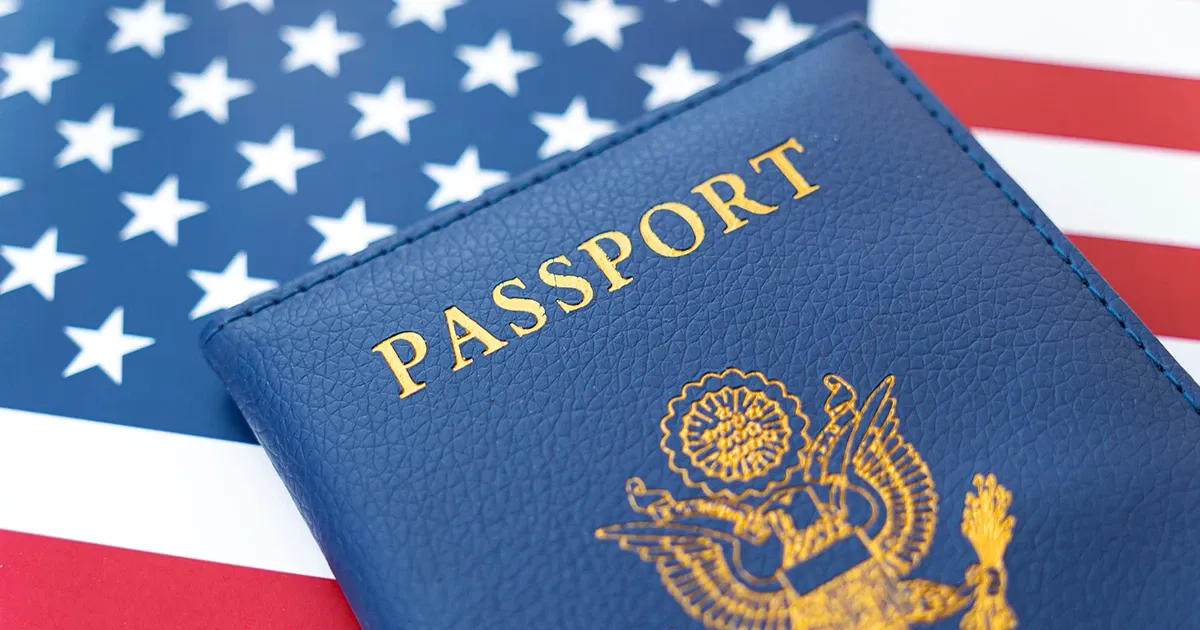
In a significant development, the United States Department of Justice has initiated proceedings to revoke the citizenship of 40 foreign-born Americans, alleging that these individuals committed immigration fraud. According to information obtained by NBC News, the Justice Department claims that the individuals in question lied or omitted critical information in their applications for naturalization.
The Justice Department's move is aimed at denaturalizing these individuals, a process that involves stripping them of their citizenship status. This action follows an investigation that purportedly uncovered discrepancies and falsehoods in their applications. The department argues that the fraudulent acts committed during the application process undermine the integrity of the naturalization process and the laws governing U.S. citizenship.
Denaturalization is a rare and serious action, typically reserved for cases involving significant fraud or criminal activity. In recent years, the U.S. government has increased efforts to scrutinize naturalization applications more closely, focusing on identifying instances of fraud. This initiative reflects a broader strategy by the federal government to uphold the integrity of immigration laws and processes.
While the Justice Department has not publicly disclosed the identities of the individuals involved, it has indicated that the cases will proceed through the courts. These legal proceedings will determine whether the evidence presented by the government is sufficient to justify revoking the citizenship of the accused parties. Denaturalization can have severe consequences, including the potential for deportation from the United States.
The process of denaturalization involves a civil court case where the government must prove its claims against the accused individuals. If the court rules in favor of the Justice Department, the affected individuals will lose their U.S. citizenship and could be subject to removal proceedings. These cases often involve complex legal arguments and require substantial evidence to support the government's allegations.
This action by the Justice Department comes amid ongoing debates over immigration policy in the United States. The current administration has emphasized strict enforcement of immigration laws and has taken various steps to address immigration fraud and illegal entry into the country. The denaturalization efforts are part of this broader strategy to ensure compliance with U.S. immigration laws and maintain the integrity of the naturalization process.
Critics of the denaturalization process argue that it can be unfairly punitive, particularly in cases where individuals may have become citizens many years ago and have since established deep roots in the United States. They contend that the process can disrupt families and communities and that alternative measures should be considered for addressing past fraudulent acts.
Supporters of the Justice Department's actions, however, maintain that strict enforcement is necessary to deter future fraudulent activities and to preserve the value and meaning of U.S. citizenship. They argue that allowing individuals who have committed fraud to retain their citizenship undermines the rule of law and the integrity of the immigration system.
As the legal proceedings unfold, the cases will likely attract significant public and media attention, given the potential implications for immigration policy and the affected individuals. The outcome of these cases could set precedents for how similar cases are handled in the future and may influence ongoing discussions about immigration reform in the United States.




Comments
No comments yet — be the first.