


Athletics Kenya President Jack Tuwei Asks Doping Offenders 'Why Do It?' After 'Shameful Week' for Kenyan Athletics

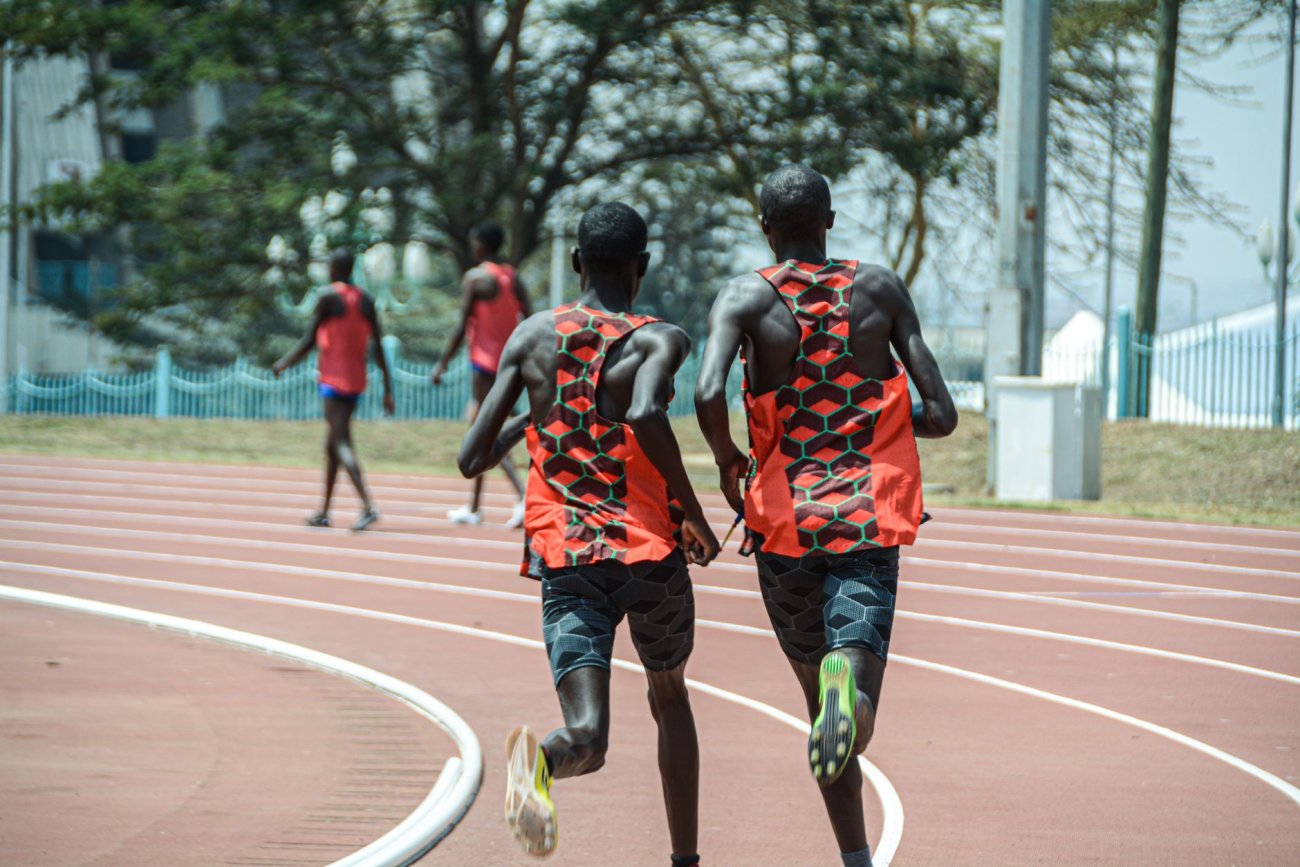
NAIROBI, Kenya — Athletics Kenya president Jack Tuwei has confronted the country's doping offenders head-on, asking cheats "Why do it?" after a "shameful week" in which fresh doping offences again damaged the standing of the world's most celebrated distance-running nation.
In remarks reported by Nairobi-based broadcaster Capital FM, Tuwei took aim at elite athletes who engage in doping offences, saying their conduct soils the image of a country whose runners have carried its flag onto podium after podium for decades. His intervention came after a week in which Kenyan athletics was rocked by new doping cases, the latest chapter in a crisis that has shadowed the East African athletics superpower for more than a decade.
Kenya's dominance is what gives the crisis its sting. Kenyan athletes routinely collect titles at the Olympic Games, the World Athletics Championships and the six World Marathon Majors in Boston, London, Berlin, Chicago, New York and Tokyo, and the country's distance-running pipeline is studied and emulated around the world. That success has also made Kenyan athletes one of the most heavily tested populations in global track and field.
The Athletics Integrity Unit, the anti-doping arm of World Athletics, has for years recorded Kenyan athletes among the largest national groups in its caseload, with dozens of runners suspended over the past decade, a large share of them road-running specialists. Each new cluster of cases revives scrutiny of whether the country's testing, education and intelligence systems are keeping pace with its talent production.
Those stakes are written into the sport's rulebook. World Athletics classifies Kenya in Category A, its strictest anti-doping tier, under which athletes from listed federations must undergo at least three no-notice, out-of-competition tests in the ten months before a World Championships or Olympic Games simply to be eligible to compete. The classification ties Kenya's participation at major championships directly to the conduct of its athletes and the rigour of its domestic testing regime.
Kenya has built a legal and institutional framework in response. The Anti-Doping Act of 2016 criminalised doping after the country was briefly declared non-compliant by the World Anti-Doping Agency, and the Anti-Doping Agency of Kenya, known as ADAK, conducts domestic testing and athlete education. In late 2022 the Kenyan government pledged 25 million US dollars over five years to strengthen anti-doping programmes, one of the largest financial commitments of its kind by any athletics nation.
The alternative to reform has been demonstrated elsewhere in the sport. World Athletics barred Russia's federation from international competition for years after uncovering state-sponsored doping, a precedent regularly cited whenever debate over Kenya's case numbers intensifies. Athletics Kenya has previously endorsed sanctions against its own athletes and worked alongside the Athletics Integrity Unit, while Tuwei's latest remarks place responsibility squarely on competitors who choose to cheat despite the rewards available to clean runners.
The question of whether the message is landing will be tested at the highest level, with the 2027 World Athletics Championships scheduled for Beijing, where Category A testing requirements will once again govern the eligibility of Kenyan athletes. Sanctions for international-level athletes rest with the Athletics Integrity Unit, which publishes disciplinary rulings as cases move through its process.
Photo: Elegance Nairobi / Pexels






Comments
No comments yet — be the first.