


Gachagua Sets Out 2027 Priorities: Voter Register Audit, Security and a Third Power Bloc


Former Deputy President Rigathi Gachagua has laid out his priorities ahead of Kenya's 2027 general election, pressing the electoral commission to reveal when the voter register audit will be conducted, calling for action on mounting security threats, and working to position his new party as a third force in the country's politics.
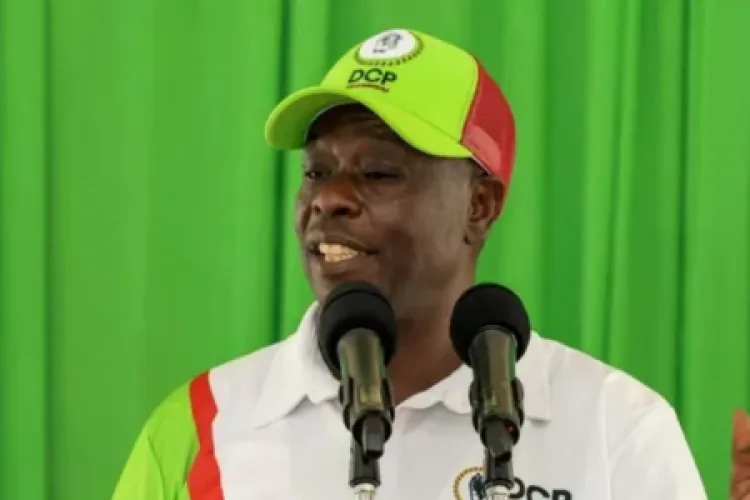
The former deputy president, who launched the Democracy for Citizens Party (DCP) at a ceremony in Nairobi in May 2025, has turned the state of the voters' register into an early campaign issue, demanding that the Independent Electoral and Boundaries Commission (IEBC) disclose when the audit of the register will be carried out.
The integrity of the voter register has long been a sensitive subject in Kenyan elections. The Supreme Court annulled the 2017 presidential election over irregularities in the conduct of the poll, and preparations for the 2027 contest have refocused attention on how the roll of voters is compiled, verified and audited.
The IEBC spent more than two years without commissioners after the term of the previous panel expired in January 2023, a gap that paralyzed key functions of the electoral body. A new commission was appointed in 2025, and the institution has since resumed voter registration activities and indicated plans to audit the register ahead of the next general election. The timing of that exercise, however, has not been spelt out, and it is this gap that Gachagua is now challenging.
Gachagua was first elected Member of Parliament for Mathira in Nyeri County in 2017 before becoming President William Ruto's running mate in the 2022 election. He was sworn in as deputy president in September 2022 and served until October 2024, when the National Assembly and the Senate voted to remove him from office following charges he denied. His impeachment came after a public falling-out with the president, and a successor was sworn in to serve out the remainder of the term.
Months after his removal, Gachagua launched the DCP in Nairobi as his political vehicle for the period leading to 2027. The party's strongest support base is in the Mt Kenya region, which Gachagua helped deliver for the ruling United Democratic Alliance (UDA) in the 2022 election, and he has since worked to broaden its reach beyond his home region.
The formation is being described as a third power bloc in Kenyan politics. Senior figures from the main opposition parties joined the government in 2024 in a broad-based arrangement formed after anti-government protests, a move that pulled established opposition leaders into the executive. Gachagua's DCP is among the political formations now taking shape outside both the ruling coalition and the parties that entered government with it.
Within both the Gachagua and Ruto camps, attention is also turning to the selection of deputies, with a fresh fight under way over running mate and deputy positions as campaign structures begin to take shape for the 2027 contest.
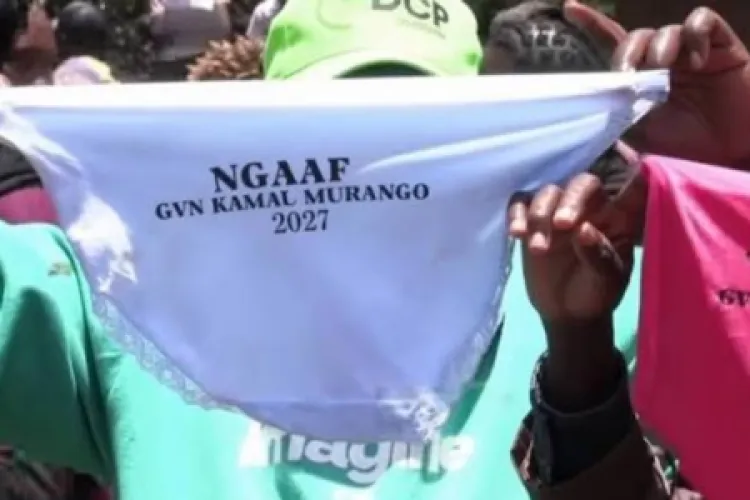
In Kirinyaga County, the Member of Parliament for Ndia has pushed back against the defections, publicly setting out the reasons why UDA leaders should not cross over to Gachagua's party. Ndia lies in the Mt Kenya region, where elected leaders have been weighing whether to remain in the ruling party or align themselves with the former deputy president ahead of the next election.
Security has also entered the pre-election agenda, with calls to tackle mounting security threats before the country goes to the polls in 2027.
The next general election is scheduled for August 2027, when voters will elect the president, members of the National Assembly and the Senate, county governors and members of county assemblies, with the audit of the voter register among the preparatory exercises the IEBC is expected to undertake before polling day.


Comments
No comments yet — be the first.