

Kenyans Abroad Send Less Money Home as Remittances Decline
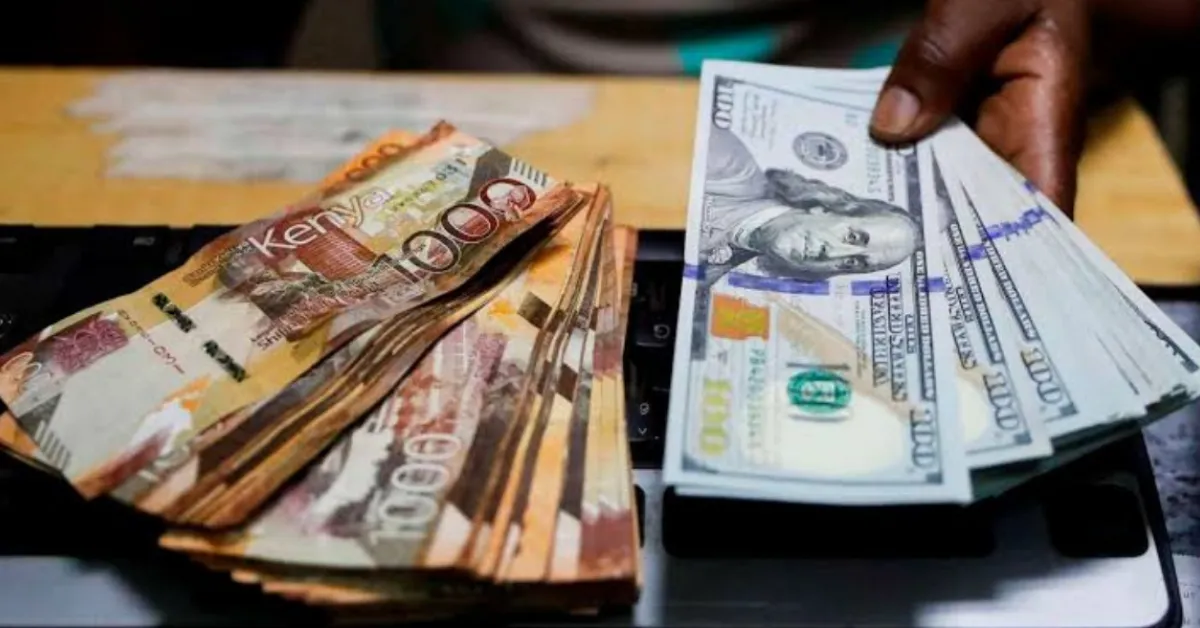
Remittances from Kenyans living abroad fell by 1.3 per cent in the 12 months to August 2026, with lower inflows from the United States and Saudi Arabia contributing to the decline, Central Bank of Kenya (CBK) Governor Kamau Thugge has said.
Speaking after a meeting of the Monetary Policy Committee on 8 October, Thugge said remittances had started to recover over the previous two months, offering signs of improvement after a period of weaker growth. Data from the CBK showed that remittances declined by 0.7 per cent between January and August 2026. The smaller drop over the eight-month period suggests that the slowdown has remained limited rather than developing into a sustained decline.
The United States and Saudi Arabia accounted for much of the reduction in inflows. The US remains Kenya’s largest source of diaspora remittances, contributing nearly half of the money sent home by Kenyans abroad. These transfers support household incomes and provide a significant source of foreign currency for the country.
Saudi Arabia is also an important source of remittances because of the large number of Kenyans employed in the Gulf state. However, changes in labour regulations and policies affecting foreign workers have altered employment conditions, contributing to lower transfers to Kenya.
The decline in remittances from the United States comes amid tighter immigration enforcement since President Donald Trump returned to office in January 2025. Deportations involving Kenyan nationals have raised questions about whether changes in the number of Kenyans working in the country could affect the money sent home.
However, the CBK has not directly attributed the fall in remittances to US immigration enforcement or the deportations. Despite the recent decline, official projections indicate that remittance inflows are expected to grow over the coming years. Kenya received approximately US$5.04 billion in 2025, with inflows projected to rise to about US$5.07 billion in 2026 and US$5.22 billion in 2027.
The forecasts suggest that policymakers expect the recent slowdown to be temporary, with diaspora remittances continuing to expand in the medium term.
Remittances are an important source of foreign exchange for Kenya, alongside tourism earnings, exports and foreign investment. They also help households meet expenses such as education, housing and healthcare, while supporting consumption across the economy.
The steady flow of money from abroad has become particularly important as Kenya seeks to strengthen its external position and limit pressure on the shilling.
Thugge said the shilling continued to benefit from diversified foreign currency inflows, market confidence and adequate foreign exchange reserves. He added that the currency had remained relatively stable despite uncertainty in the global economy.
The CBK has maintained that Kenya’s foreign exchange reserves remain at comfortable levels, providing protection against short-term external shocks and helping to support stability in the foreign exchange market. The latest figures show that, although remittance inflows have weakened slightly, they remain an important source of financial support for Kenyan households and the wider economy.





















Add new comment