
Uganda: Ruto Directive Triggers Exodus of Foreign Traders At Uganda-Kenya Border
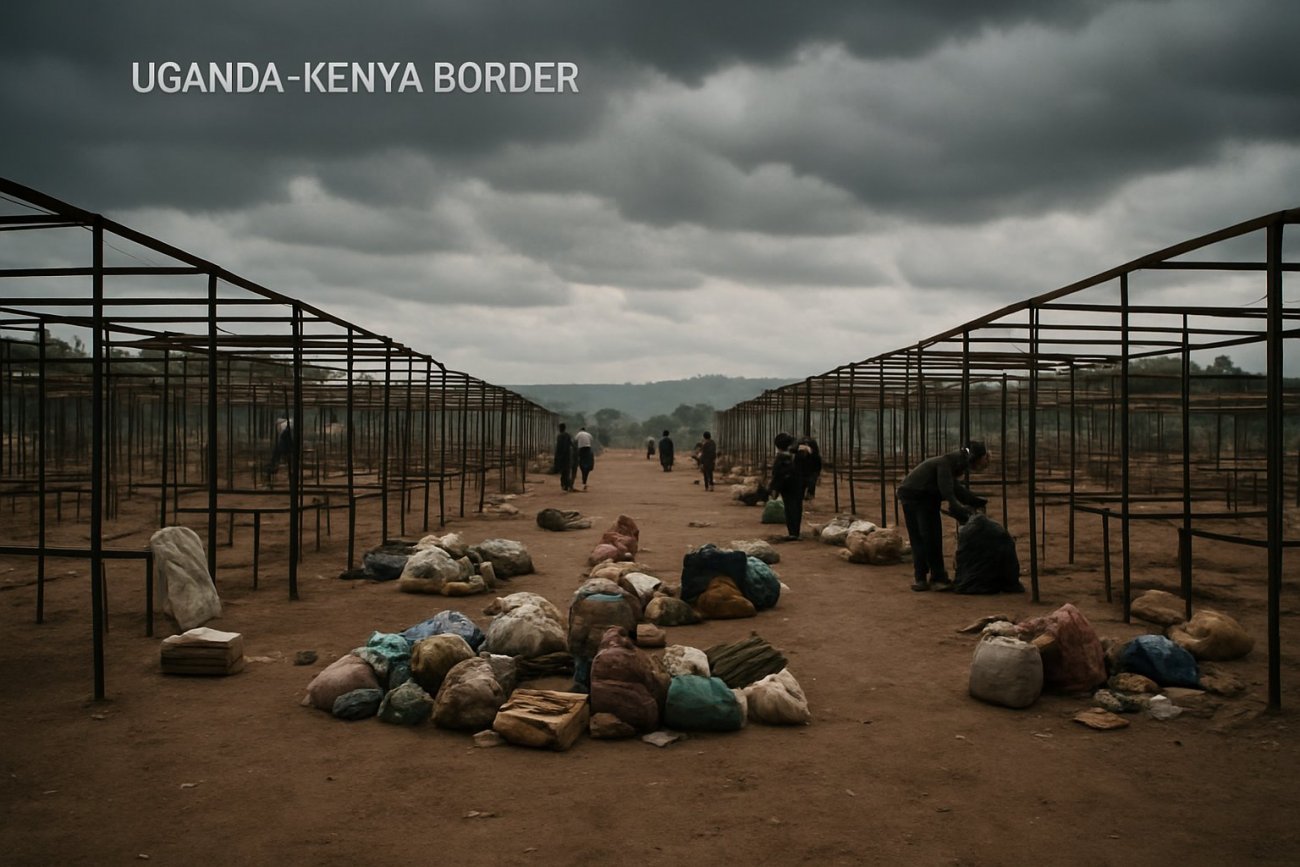
A directive by Kenyan President William Ruto has led to a significant movement of foreign traders at the Uganda-Kenya border. The policy mandates that small-scale businesses operated by foreign nationals must have the necessary work permits, prompting many traders to leave the country. This enforcement action has been particularly noticeable at border crossings where the number of people exiting Kenya has increased.
President Ruto's directive seeks to regulate the operations of foreign traders in order to ensure compliance with local business laws. The policy aims to bolster the Kenyan domestic market by ensuring that only those with appropriate authorization can contribute to the economy. This development has caused concern among foreign traders who fear potential business disruptions and legal challenges without the required permits.
The impact of this directive is palpable, with local reports noting a marked increase in movements at the Uganda-Kenya border. This policy move underscores the ongoing tension between national economic strategies and regional trade dynamics, as neighboring countries like Uganda adjust to the flow of traders affected by the Kenyan directive.
The requirement for foreign nationals to possess work permits aligns with Kenya's broader economic policies intended to regulate and formalize business operations. However, this has raised questions regarding the implementation and impact on cross-border trade, which is a vital component of the economies in the East African region.
As the situation develops, observers are keenly watching how this directive will influence trade relations between Kenya and its neighbors, particularly Uganda. The broader implication for Africa and other developing nations is the delicate balance between protecting domestic interests and nurturing regional economic cooperation. The effectiveness of such policies in fostering sustainable economic growth without hindering international relations remains to be seen. The evolving scenario at the Uganda-Kenya border offers a critical case study for similar policies in other regions.






Comments
No comments yet — be the first.