
USCIS Expands Public Charge Review for Green Card Applicants, Impacting African Immigrants

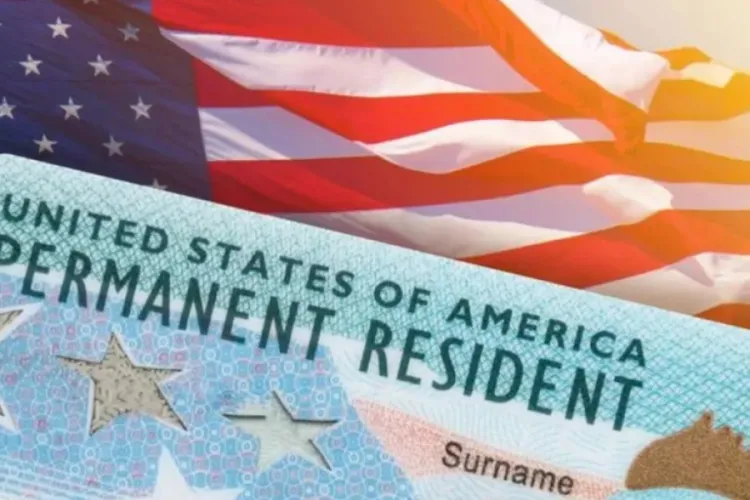
Washington, D.C. - The United States Citizenship and Immigration Services (USCIS) has announced an expansion of the public charge review process for applicants seeking permanent residency in the United States. This policy adjustment, made effective immediately, could have significant implications for Kenyans and other African immigrants aspiring to obtain Green Cards.
The public charge rule, which has been a component of U.S. immigration policy for over a century, allows immigration authorities to deny Green Cards to individuals deemed likely to become primarily dependent on government assistance. Under the revised guidelines, USCIS will broaden the criteria used to evaluate whether applicants are likely to become public charges, considering factors such as age, health, income, education, and skills more comprehensively.
This development comes as part of the Trump administration's ongoing immigration policy reforms. The Department of Homeland Security (DHS), led by Secretary Kristi Noem, has been overseeing these changes, which align with the administration's focus on ensuring that immigrants can support themselves financially without relying heavily on public resources.
For Kenyan and African diaspora communities, this expanded review process may pose additional challenges. Many applicants from these regions may need to provide more extensive documentation to demonstrate their financial independence and self-sufficiency. The policy shift could potentially reduce the number of successful Green Card applications from African countries, impacting family reunification and employment-based immigration.
Historically, the public charge rule has been a contentious aspect of U.S. immigration policy. Critics argue that it disproportionately affects immigrants from lower-income countries and undermines the diverse fabric of American society. Proponents, however, contend that it is a necessary measure to ensure that new immigrants do not add undue burden on the nation's welfare system.
The USCIS's decision to expand the public charge review is likely to result in longer processing times and increased scrutiny of applicants' financial records. Immigration attorneys and advocacy groups are advising prospective immigrants to prepare for these changes by gathering comprehensive evidence of their financial stability and contributions to the community.
As the policy unfolds, its impact on the Kenyan and broader African diaspora will become clearer. The Kenyan Embassy in Washington, as well as organizations like the Kenya Diaspora Alliance, are expected to monitor the situation closely and provide guidance to affected individuals.




Comments
No comments yet — be the first.