


Kenyan President Orders Crackdown on Foreigners Operating Small Businesses

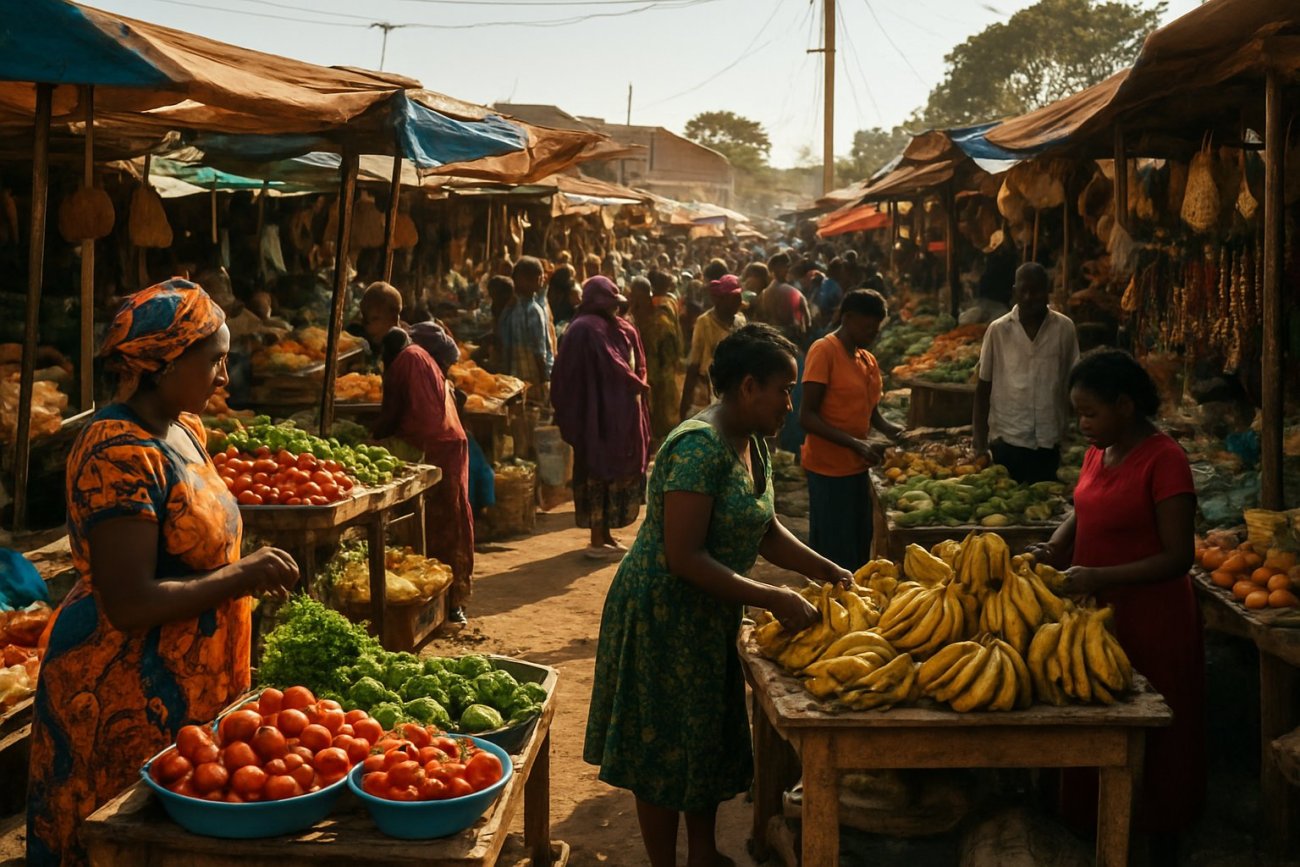
In a decisive move to address growing concerns over foreign involvement in small-scale retail in Kenya, President William Ruto has instructed authorities to implement a crackdown on foreigners engaging in small business operations. The directive, announced in Nairobi, responds to increasing unease among local traders who face stiff competition from foreign nationals who have entered the retail sector.
President Ruto's order underscores the administration's commitment to protecting local entrepreneurs and fostering an economic environment that prioritizes Kenyan businesses. The decision follows repeated complaints from local retailers who argue that the influx of foreign traders, particularly from neighboring countries, has had a detrimental impact on their livelihoods.
Kenya has long been a hub for regional commerce, attracting entrepreneurs from across East Africa. However, the presence of foreign traders in local markets has sparked tension, with many Kenyans expressing frustration over what they perceive as unfair competition. The government's latest action aims to regulate this dynamic by ensuring that small businesses remain predominantly under Kenyan ownership.
The crackdown on foreign-operated small businesses is part of a broader strategy to boost economic opportunities for Kenyan citizens. By limiting foreign participation in the retail sector, the government hopes to encourage local job creation and enhance economic self-sufficiency. This initiative aligns with ongoing efforts to stimulate domestic production and expand local markets.
While the move has been welcomed by many local traders, it also raises questions about the broader implications for Kenya's trade relationships within the region. As a member of the East African Community (EAC), Kenya is part of a regional bloc that emphasizes economic integration and free movement of goods and services. The government will need to balance these regional commitments with domestic economic priorities.
Analysts are closely watching how the crackdown will be implemented and whether it will lead to significant shifts in the country's retail landscape. The effectiveness of the policy will largely depend on the enforcement measures adopted by local authorities, as well as the response from foreign traders who may seek to challenge or adapt to the new regulations.
The decision by President Ruto marks a significant step in addressing the concerns of local traders and reflects a growing trend among developing nations to prioritize indigenous business interests. As the situation unfolds, the broader economic impact and the response from regional partners remain key areas to monitor in the coming months.



Comments
No comments yet — be the first.