
Ethiopia Connects Climate Solutions From Field To Factory
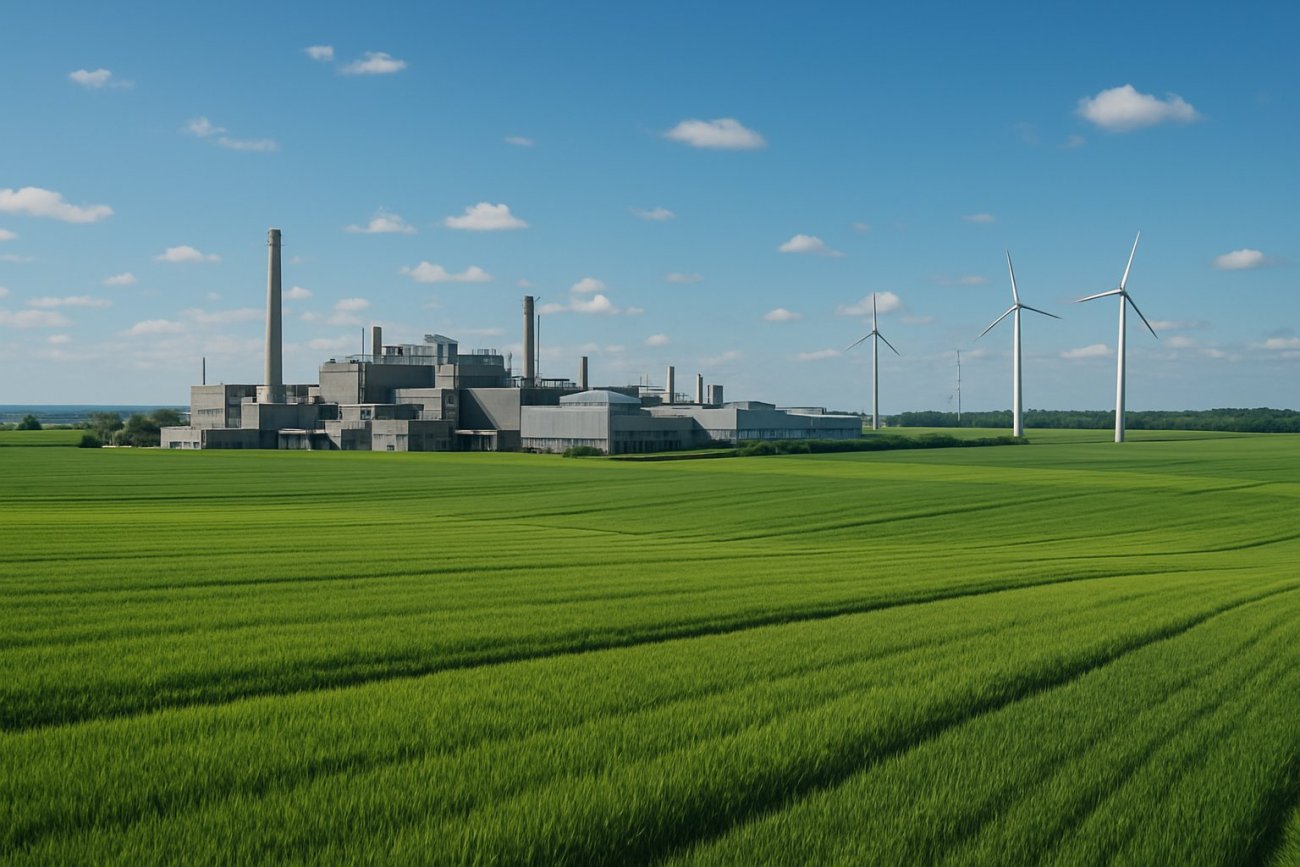
In Ethiopia, efforts to tackle the challenges posed by unpredictable rainfall are gaining momentum through innovative climate solutions being implemented from farms to factories. Researchers in the country are focusing on developing improved seed varieties and more efficient irrigation methods to address the impacts of climate variability on agriculture. This initiative is crucial for safeguarding Ethiopia's agricultural output and supporting its burgeoning textile industry.
The unpredictable nature of rainfall has made traditional farming methods increasingly unreliable, prompting scientists to explore alternative solutions. Among these is the development of more resilient seed types that can withstand the changing climate conditions. Alongside this, the introduction of advanced irrigation systems aims to optimize water use, ensuring that crops receive adequate hydration even in times of drought.
Furthermore, digital tools are being employed to monitor and manage water resources more effectively. By tracking water losses and usage, these technologies enable farmers to make data-driven decisions that can improve crop yields and sustainability. The integration of these solutions is expected to not only bolster food security but also ensure a steady supply of raw materials for Ethiopia's textile factories.
The initiative to connect climate solutions from field to factory reflects a broader commitment to sustainable development in Ethiopia. By protecting harvests, the country aims to strengthen its position as a key player in the global textile market. The focus on locally grown raw materials reduces reliance on imports and supports the rural economy, which is vital for long-term growth and resilience.
This approach also holds significant implications for other developing nations facing similar climate challenges. The strategies being tested in Ethiopia could serve as a model for other countries looking to enhance their agricultural productivity and industrial output in the face of climate change. As global demand for eco-friendly and sustainable products increases, Ethiopia's efforts to integrate climate resilience into its agriculture and manufacturing sectors could pave the way for economic opportunities regionally and beyond.






Comments
No comments yet — be the first.