
Kenyan Expat Shares How Norway Supports Mothers Through Pregnancy and Parenthood

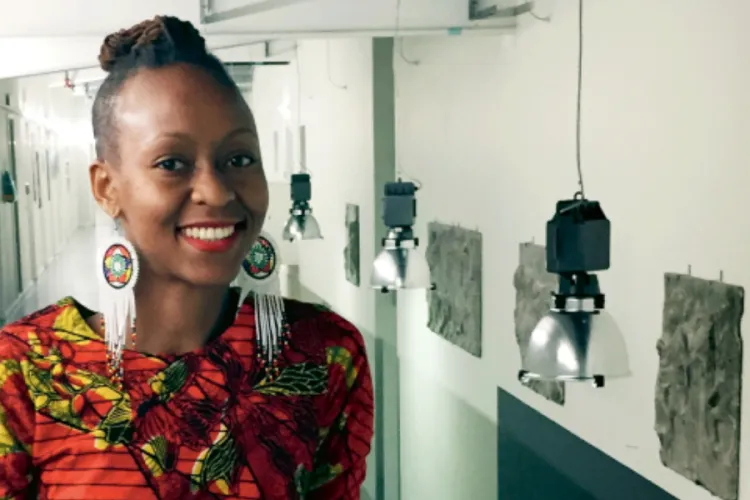
Judy Achieng Rimstad, a Kenyan content creator living in Norway, has shared insights into how the country’s welfare system supports pregnancy, childbirth and parenthood.
Judy, who runs the YouTube channel Adventures of Judy, has lived in both Sweden and Norway and regularly documents life in Scandinavia for audiences in East Africa. Her accounts describe a system in which extensive state support helps parents manage the financial and professional pressures associated with having children.
She says mothers can receive payments of up to 42,000 Norwegian kroner, equivalent to nearly KSh500,000, during parental leave. The support forms part of a broader system that includes protected employment, extended parental leave for both parents and monthly child allowances.
The policies are also linked to Norway’s demographic challenges. Like several other European countries, Norway is dealing with declining birth rates and an ageing population. Family support has therefore become an important part of efforts to maintain the workforce and support long-term economic stability.
The welfare system includes subsidised childcare, public healthcare and parental leave arrangements intended to reduce the financial pressures associated with raising children. These measures allow parents to take time away from work while retaining a degree of financial and employment security.
Healthcare is another important part of the system. Pregnant women receive regular prenatal care, while childbirth in public hospitals is covered through the country’s healthcare system. Postnatal check-ups are also provided as part of routine care.
Support continues after a child is born through allowances and other subsidies. The system is intended to reduce the financial burden on families and help working parents balance employment with childcare.
For Kenyans familiar with the costs associated with pregnancy and raising children, Judy's experience provides an insight into a different approach to family policy. Norway’s model places significant responsibility on the state to support parents through pregnancy, childbirth and the early years of a child’s life.
The contrast has also been noted by earlier Kenyan visitors and political exiles. During the Moi era, activist Koigi wa Wamwere sought asylum in Norway in 1986 and later described his experiences there in his memoir I Refuse to Die. Among the observations in his account was the level of public trust and social security he encountered, including stories of children being left in prams outside without attracting concern.
Judy's experience, decades later, offers another perspective on the same society, this time through the experience of motherhood and family life.




Comments
No comments yet — be the first.