

How Kenyan Women in America Confront Cultural Pressure When Marriage Turns Abusive
Kenyan women living in the United States are increasingly navigating tensions between traditional expectations around marriage and American laws that protect individuals from domestic abuse, coercion and violence.
Among the Maasai community in Kenya, some traditional marriage practices continue to emphasise endurance, commitment and family responsibility. One example is Nkukoo, a premarital counselling ritual held on the eve of a wedding.
The overnight gathering brings elders together with the bride to offer guidance on married life. The ceremony runs from dusk until dawn, with a fire kept burning throughout the night as a symbol of the endurance expected within marriage.
The ritual reflects a traditional understanding of marriage as a lifelong commitment. Couples are expected to remain together through hardship and disagreements, while wives are often taught that respect, patience and commitment are essential to maintaining harmony in the home.
Stories shared during Nkukoo can also reflect the social pressures historically placed on women. Older relatives may recount difficult marriages they remained in and describe their experiences of suffering and sacrifice as examples of perseverance.
Such teachings are part of a wider cultural expectation in which remaining married has often been associated with honour, maturity and social acceptance. Separation or divorce could attract criticism and affect how a woman, her children and her wider family were viewed.
These expectations encouraged many women to keep marital problems within the family and avoid discussing them publicly. Difficulties were often addressed through relatives and elders rather than through formal institutions or authorities.
Migration to the United States, however, places these traditions within a different legal and social environment.
American law places strong emphasis on individual rights and personal safety. Cultural practices do not override laws relating to domestic violence, coercion or physical abuse. Conduct that may once have been treated as a private family matter can result in police intervention, protection orders, criminal proceedings or child custody disputes.
For some immigrant families, this system can be difficult to navigate. In communities where marital disputes have traditionally been handled privately, involving law enforcement may be unfamiliar or regarded as a serious step. In the United States, however, victims of domestic abuse have access to legal protections and support services.
Divorce is also legally recognised in the United States and is supported by an established family-law system. This differs from communities where marital separation remains heavily discouraged or carries significant social stigma.
For Kenyan women living in the US, seeking help can therefore involve more than understanding the law. Some may fear criticism from their communities, worry about damaging their family's reputation or be uncertain about where to find assistance. Others may continue living with abuse because seeking help appears inconsistent with the values they were taught about marriage.
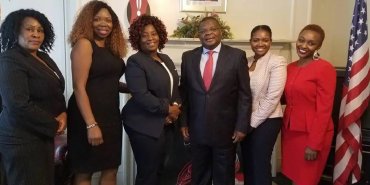
Diaspora organisations have sought to address some of these challenges by connecting women with information and support. Kenyan Women in the United States (KWITU) is among the organisations working to assist women facing difficulties in their marriages and wider life in America.
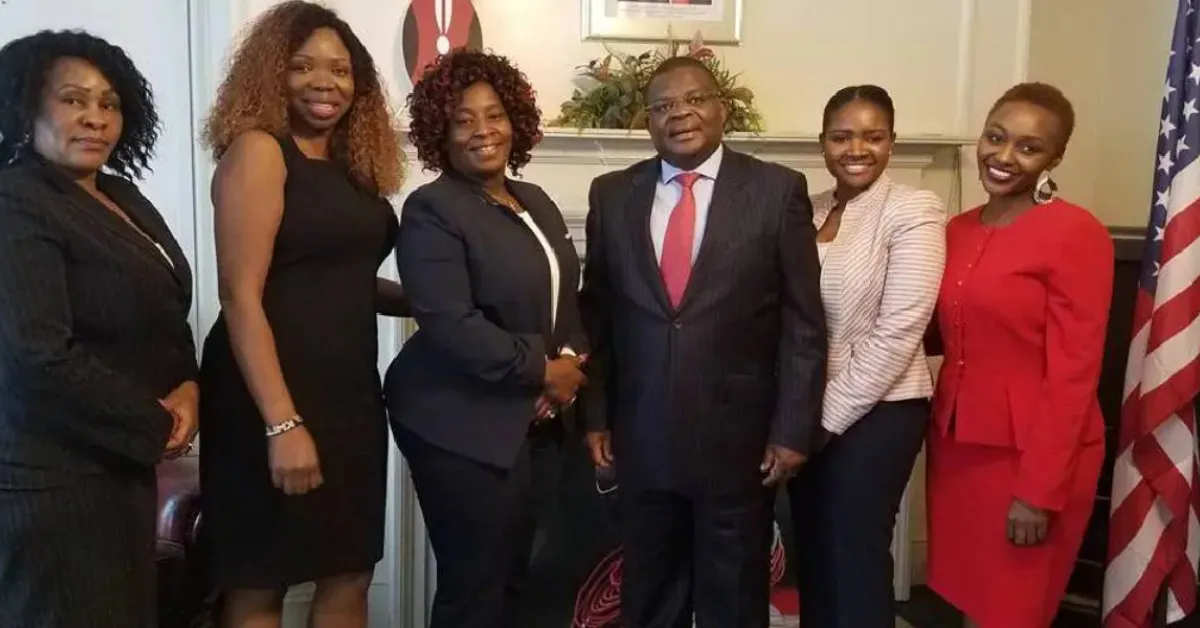
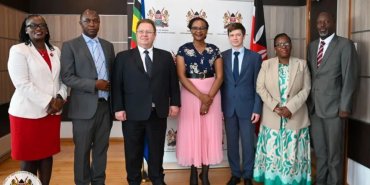
KWITU recently engaged officials at the Kenyan Embassy in Washington, D.C., to strengthen links between Kenyan communities in the United States and official support networks. The discussions included the role diplomatic institutions can play in directing Kenyan citizens to appropriate assistance during serious personal or family crises.
The organisation also provides information aimed at helping women understand their rights under US law. Its work includes community outreach, confidential support networks and links to professional services such as counselling, legal assistance, shelter and emergency support.
These services can be particularly important for women who may be unfamiliar with the US legal system or reluctant to seek assistance outside their community.
The growing role of organisations such as KWITU reflects changes within Kenyan diaspora communities. Traditional values around family unity and marriage remain important, but there is increasing recognition that preserving a marriage should not require a woman to remain in an unsafe or abusive situation.
For Kenyan communities in the United States, the challenge is to maintain cultural identity while recognising the legal rights and protections available to individuals. Women can continue to value family and cultural traditions while also seeking assistance when their safety or wellbeing is at risk.













Add new comment