

Thousands of Foreign Workers Face Green Card Delays as US Halts Key Immigration Process
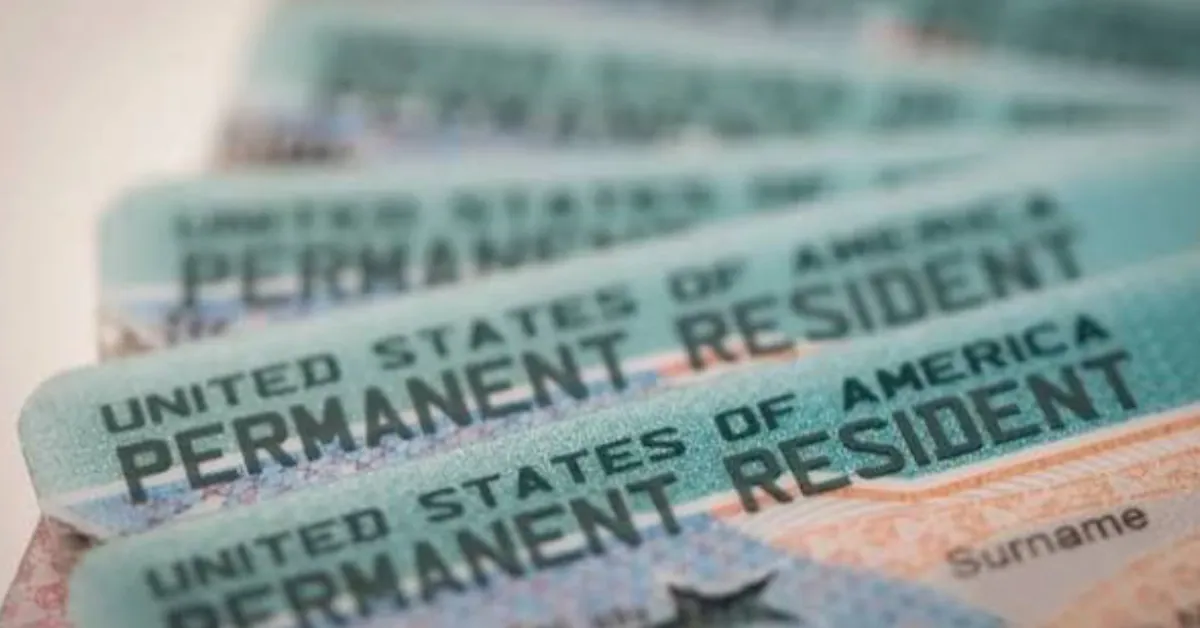
The US Department of Labour has halted key stages of the employment-based green card process for several major technology and outsourcing companies, including Microsoft, Adobe, Infosys and Tata Consultancy Services, leaving affected foreign workers uncertain about their permanent residency plans.
The suspension affects the Permanent Labour Certification programme, known as PERM, which is a key step in obtaining an employment-based green card. Affected employers cannot submit new PERM applications, while existing cases awaiting decisions may face further delays. Indian nationals, who make up a significant share of the US technology workforce, are among those likely to be affected.
PERM requires employers to demonstrate that no suitably qualified and available American worker can fill the position and that hiring a foreign national will not adversely affect the wages or working conditions of US employees. Once the Department of Labor approves the certification, the employer can proceed with the next stage of the green card process by filing a petition with US Citizenship and Immigration Services (USCIS).
The suspension could delay permanent residency applications for thousands of foreign professionals already working in the United States. However, it does not automatically affect their existing immigration status or their right to work. Employees with valid H-1B visas can generally continue working under the terms of their authorisation while their green card applications remain unresolved.
The H-1B visa programme and PERM serve different purposes. H-1B visas allow US employers to hire foreign professionals temporarily for specialised jobs. PERM, by contrast, is part of the process through which an employer sponsors a foreign worker for permanent residence, usually under the EB-2 or EB-3 employment-based categories.
Employers seeking H-1B workers must generally file a Labour Condition Application, which addresses requirements relating to wages and working conditions. PERM certification is a separate requirement for many employment-based green card applications and is not needed simply to employ someone on an H-1B visa.
The effect of the suspension will depend on how far each worker has progressed through the immigration process. Employees whose PERM applications have already been approved may be able to proceed to the next stages, subject to the applicable rules and deadlines. Those with pending applications, or whose employers have not yet filed, face greater uncertainty because they cannot move forward without the required certification.
Workers approaching the maximum period allowed under their H-1B status could face particular difficulties. In certain circumstances, employees can obtain extensions beyond the standard six-year limit while their employment-based green card applications progress. Delays in labour certification could affect their ability to qualify for those extensions, depending on the stage of their cases and the relevant eligibility requirements.
Changing employers could also complicate matters. A new employer would generally need to begin a separate PERM process if the worker required a new labour certification. This could mean additional delays for professionals whose existing sponsorship arrangements are disrupted.
Further uncertainty affects workers whose PERM certification has been approved but who have not yet filed Form I-140, the immigrant petition submitted by an employer to USCIS. Previously approved certifications are not necessarily invalidated by a suspension of new applications or pending cases. However, workers and employers will need to monitor filing deadlines and any specific restrictions affecting their cases.
The suspension comes amid increased scrutiny of employers that rely heavily on foreign workers through the H-1B programme. US officials have raised concerns that some companies may use employment-based immigration arrangements in ways that disadvantage American workers.
Critics of some outsourcing and technology firms argue that recruiting foreign workers can place pressure on wages and employment opportunities for US citizens. Industry representatives, however, maintain that skilled immigration helps companies fill specialised positions and meet workforce demands that cannot always be satisfied by the domestic labour market.
The Department of Labor has also been considering changes to labour market testing requirements and measures intended to strengthen protections for American workers under the PERM system. The proposals remain under review and could lead to further changes in how employers sponsor foreign professionals for permanent residence.
The suspension is taking place against a backdrop of lengthy PERM processing times. Applications can take many months to reach a decision, creating uncertainty for employers planning their workforces and employees seeking permanent residency. Lawmakers have also considered measures to address the delays, including legislation proposing an optional premium-processing service that would allow employers to pay for faster decisions.















Add new comment