

US Suspends Microsoft from Green Card Program Over H-1B Visa Issues
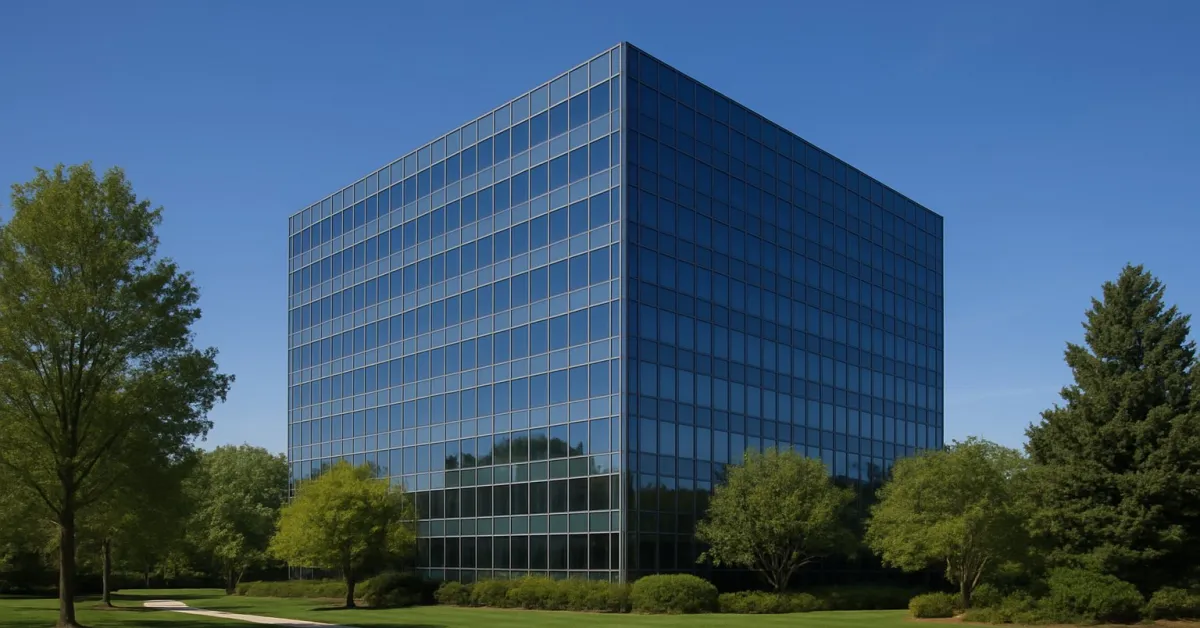
The United States has suspended Microsoft from its green card program for workers on H-1B visas, a decision that could significantly affect the tech giant and its employees. The announcement was made by U.S. Vice President JD Vance, highlighting issues related to the H-1B visa program. This development is of particular interest to tech workers, including those from Kenya, who are part of the diaspora in the U.S.
The H-1B visa program allows U.S. companies to employ foreign workers in specialty occupations. However, it has been under scrutiny for potential misuse and its impact on domestic employment. Microsoft's suspension from the green card process for H-1B workers underscores ongoing concerns about compliance with the program's regulations.
Microsoft, headquartered in Redmond, Washington, employs thousands of workers on H-1B visas. Many of these workers rely on the ability to transition from a temporary visa to a permanent resident status through the green card process. The suspension could delay or disrupt these plans, affecting not only the workers but also the company's operations in the U.S.
The U.S. government has been tightening oversight on the H-1B program, with increased scrutiny on companies that heavily rely on foreign workers. This move aligns with broader immigration policies under President Donald Trump's administration, which has focused on protecting American jobs and ensuring compliance with immigration laws.
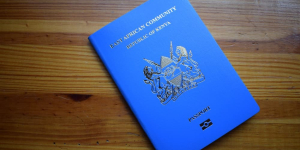
For Kenyans and other foreign nationals working in the tech industry, this suspension represents a significant challenge. Many H-1B visa holders from Kenya are employed in the U.S. tech sector, and the ability to secure a green card is a critical factor in their career planning and long-term residency in the country.
The decision to suspend Microsoft from the green card program may prompt other companies to reassess their use of H-1B visas and ensure they are in full compliance with U.S. immigration laws. It also raises questions about the future of foreign tech workers in the U.S. and the potential impact on innovation and competitiveness in the tech industry.












Add new comment