

US Investigates Harvard, Yale and Seven Other Universities Over J-1 Visa Misuse
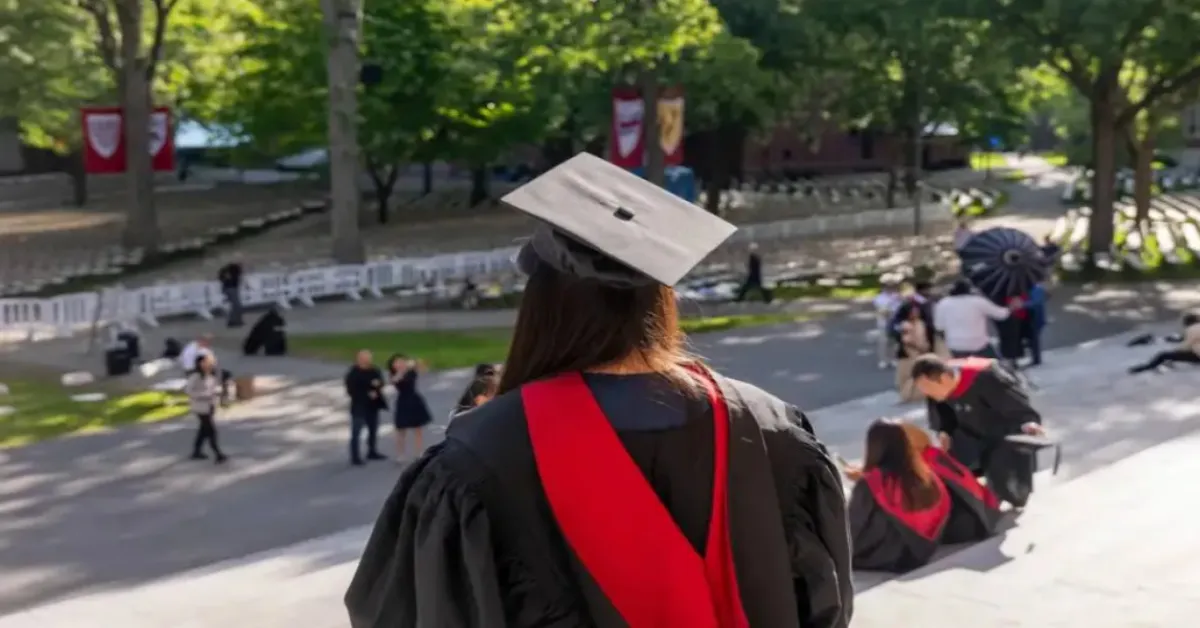
The US Department of Labour has launched an investigation into the J-1 visa programmes of nine leading American universities, issuing subpoenas to examine whether the institutions have complied with immigration rules and employment requirements.
The investigation, announced by Department of Labour Inspector General Anthony P. D’Esposito, targets the University of Pittsburgh, Yale University, Harvard University, Stanford University, Brown University, the University of California, Davis, the California Institute of Technology, Arizona State University and the Massachusetts Institute of Technology.
Investigators will examine whether the universities have used the J-1 exchange visitor visa programme for purposes outside its intended scope. The programme allows foreign nationals to enter the United States for educational and cultural exchange activities, including academic study, teaching, research, specialist training and medical education.
J-1 visa holders generally maintain their legal status for the duration of their approved exchange programmes, as specified in the DS-2019 form issued through the US Department of State. Federal officials are investigating whether some institutions have misused the programme to recruit foreign researchers while avoiding employment obligations.
The review will focus on universities that receive substantial federal research funding and employ large numbers of international researchers and postdoctoral scholars. Figures presented during the announcement indicated that foreign nationals account for approximately 61 per cent of postdoctoral workers and researchers supported by federal grants at the universities under investigation. The corresponding figure at other institutions is 38 per cent.
The figures do not, on their own, establish that the universities have broken any rules. However, they form part of the government's examination of how international researchers are employed in federally funded programmes and whether existing visa arrangements comply with labour and immigration requirements.
D’Esposito announced the investigation during a White House Fraud Task Force event attended by senior administration officials, including Vice-President J.D. Vance, Labour Secretary Keith Sonderling, Attorney General Todd Blanche, White House Deputy Chief of Staff and Homeland Security Adviser Stephen Miller, and Federal Trade Commission Chairman Andrew Ferguson.
During the event, D’Esposito said major universities would not be exempt from scrutiny because of their reputations or financial resources. He argued that the misuse of visa classifications could disadvantage American workers, undermine the proper use of taxpayer-funded programmes and weaken confidence in the country's immigration system.
The investigation also reflects government concerns about the security risks associated with international research partnerships. D’Esposito linked the inquiry to questions about foreign access to sensitive technologies and intellectual property, identifying China as a strategic challenge to US interests.
The issue places universities under pressure to balance international research collaboration with government demands for stronger safeguards. American universities rely on researchers from around the world, while federal authorities are increasingly examining the potential labour market and national security implications of their recruitment practices.
Alongside the university investigation, federal authorities announced two initiatives aimed at strengthening enforcement against immigration-related fraud.
The first is a Visa Fraud Strike Team that will coordinate investigations and enforcement efforts across several agencies. These include the Departments of Labour, Justice and Homeland Security, US Citizenship and Immigration Services, Homeland Security Investigations and the State Department's Diplomatic Security Service.
The team's work will extend beyond J-1 visas to include the H-1B programme, which allows eligible US employers to hire foreign workers in specialised occupations. Officials say the initiative will improve cooperation between agencies and strengthen efforts to detect and prosecute immigration-related fraud.
The second initiative is a Labour Inspector General Most Wanted List, which will identify individuals accused of defrauding American workers and taxpayers. Officials said the suspects featured on the list face allegations involving more than $250 million in losses.











Add new comment