
Surge of Migrants into Ceuta Highlights Ongoing Tensions at Spanish-Moroccan Border
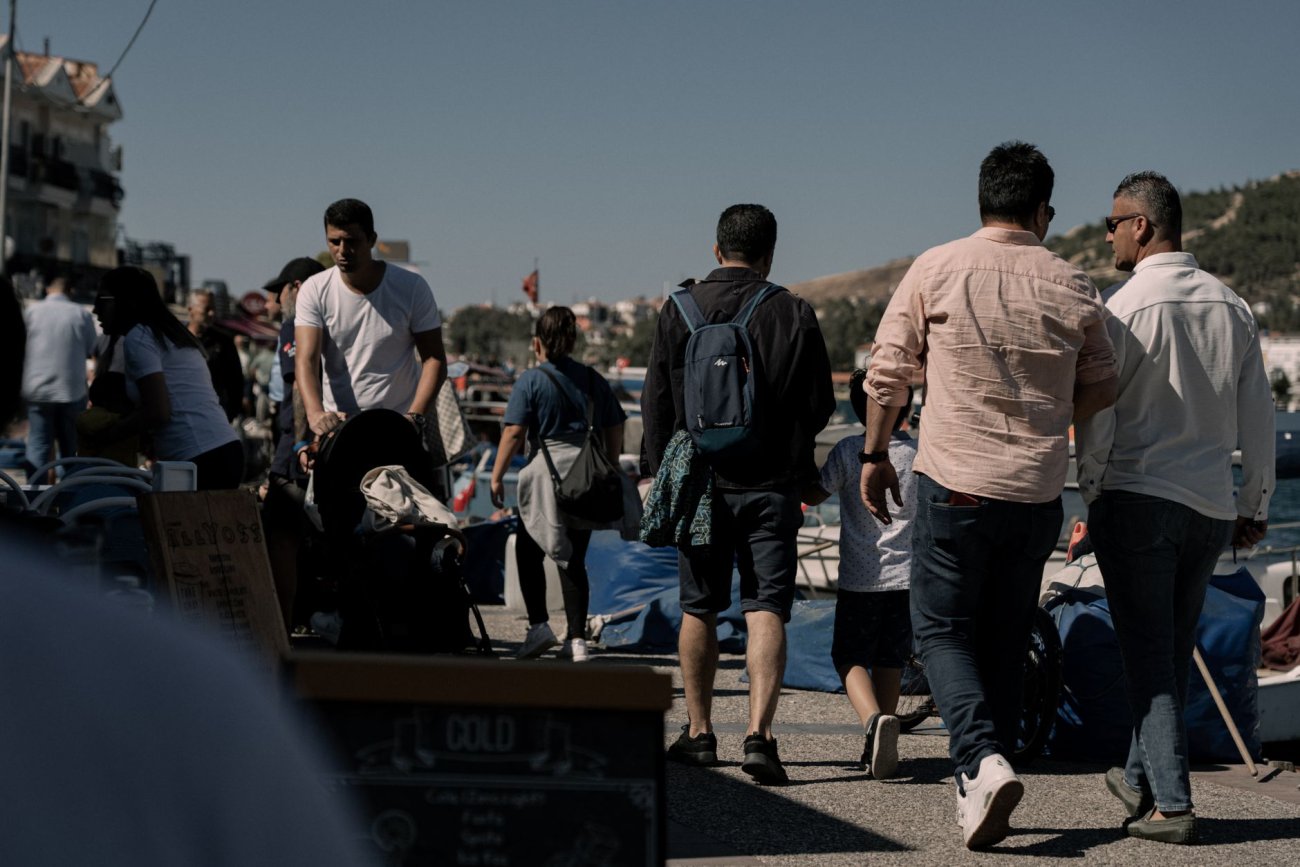
The unexpected arrival of approximately 50,000 migrants into the Spanish exclave of Ceuta has brought renewed attention to the enduring tensions along the Spanish-Moroccan border. On Thursday, tens of thousands of Moroccans breached the border into Ceuta, driven by hopes of finding better opportunities within the European Union. By Friday night, the majority of these migrants had returned to Morocco, largely disillusioned and facing hunger, as reported by local humanitarian organizations.
This surge into Ceuta, a small yet strategically significant piece of Spanish territory on the African continent, underscores the complex issues of migration, border control, and diplomatic relations between Spain and Morocco. The European Union’s border agency, Frontex, noted the scale of this incident as unprecedented, further complicating the already delicate management of migration flows into southern Europe. While the Spanish government has yet to release an official statement regarding any further preventive measures, the event has sparked intense discussions within both the Spanish and EU political spheres.
"This situation reflects the ongoing pressure on border controls in regions where economic disparity is stark and opportunities are scarce," stated Frontex Executive Director Hans Leijtens. The response from European institutions remains critical, as any perceived instability could provoke further migratory waves, with the potential to impact other regions, including parts of Sub-Saharan Africa.
The sudden inflow of migrants also brings to light the socio-economic tensions within Morocco, where many individuals are compelled to seek better livelihoods abroad due to limited opportunities at home. Despite efforts by Moroccan authorities to manage these challenges, the systemic issues persist, leading to periodic mass migrations towards Europe’s borders.
Analysts highlight that Ceuta's geographical position makes it a recurring focal point for migrants attempting to enter Europe, emphasizing the need for comprehensive policies addressing root causes of migration, such as poverty and unemployment. Furthermore, the incident raises questions about the humanitarian response and the treatment of migrants during such crises.
"We must ensure that our response is humane and respects the dignity of all individuals involved," remarked Josep Borrell, the EU High Representative for Foreign Affairs and Security Policy. Borrell emphasized the importance of collaborative efforts between the European Union, Spain, and Morocco to develop sustainable, long-term solutions that address both security and humanitarian concerns.
As the situation in Ceuta continues to evolve, the international community is closely monitoring the response from Spanish and Moroccan authorities. The need for effective border management and humanitarian assistance remains at the forefront of discussions, with potential implications for migration patterns affecting not only Europe but also neighboring African nations.





Comments
No comments yet — be the first.