
Water Crisis Worsens as Hosepipe Bans Affect Millions in the UK
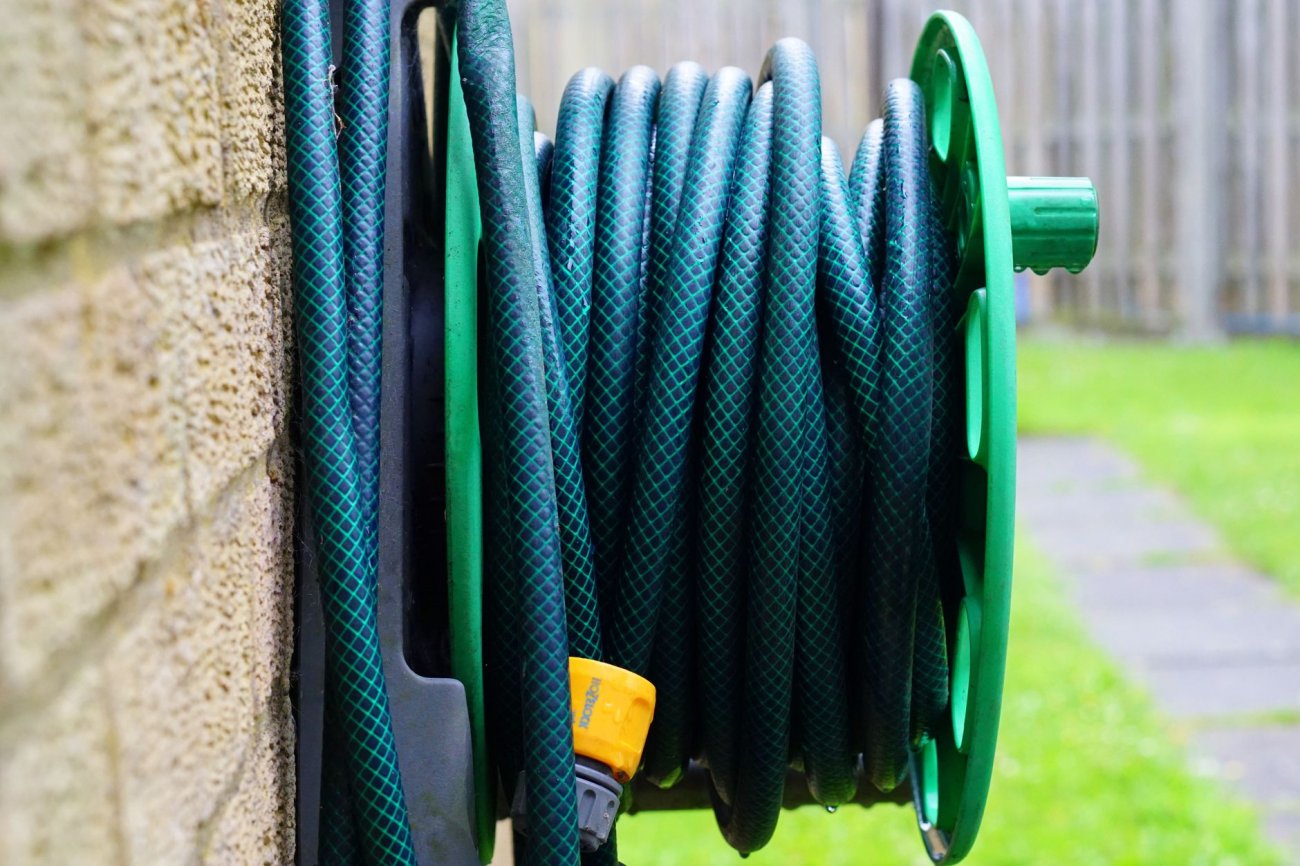
More than eight million households across the United Kingdom are experiencing hosepipe bans amid ongoing concerns over water resource management. The bans, implemented by several water companies, highlight persistent issues regarding water scarcity and infrastructure challenges. As the restrictions take effect, questions are being raised about the long-term sustainability of the UK's water management strategies and their adaptation to changing climate conditions.
The decision to impose the bans comes after a prolonged period of below-average rainfall, which has significantly depleted reservoirs. The Environment Agency has warned that water levels in some regions have dropped to critical levels, exacerbating the risk of severe droughts. The agency's latest report indicates that the average UK water reservoir capacity is currently at 65%, down from the typical 85% seen during this time of year.
The hosepipe ban restricts the use of hosepipes for watering gardens, cleaning cars, and filling pools, among other uses. This measure aims to conserve water for essential services and agricultural needs. "We must ensure that there is sufficient water for essential use and that we do not run dry," said Martin Salter, a spokesperson for one of the major water suppliers. "The public's cooperation is crucial during these times," he added.
Public response to the bans has been mixed. While some residents express understanding and compliance, others have raised concerns over the lack of investment in water infrastructure and the perceived inadequacies in managing water resources. Critics argue that the bans are a temporary fix rather than a long-term solution to a recurring problem. "The reality is that our water system is under strain, and more needs to be done to future-proof it against climate change," noted Dr. Rebecca Williams, an environmental policy researcher.
As the UK grapples with these challenges, the implications for developing nations, particularly in Africa, are underscored. Many of these nations already face severe water shortages and could benefit from observing the UK's strategies and pitfalls. The situation highlights a global need for improved water management systems and innovative solutions to ensure access to clean water in the face of climate change.
Water companies, in response to the bans, are accelerating efforts to fix leaks and improve efficiency. The latest report from Ofwat, the water regulation authority, states that over 3 billion liters of water are lost daily due to leaks. There is a call for increased investment in desalination plants and rainwater harvesting systems to bolster supply.
As the hosepipe bans continue, the UK government is expected to announce additional measures to mitigate the impact on affected households and industries. These developments will be closely monitored by environmental and economic sectors worldwide, as the lessons learned could inform global water management policies and help mitigate future crises.



Comments
No comments yet — be the first.