
Iran-Oman Talks on Hormuz: A Potential Turning Point Amid Red Sea Tensions
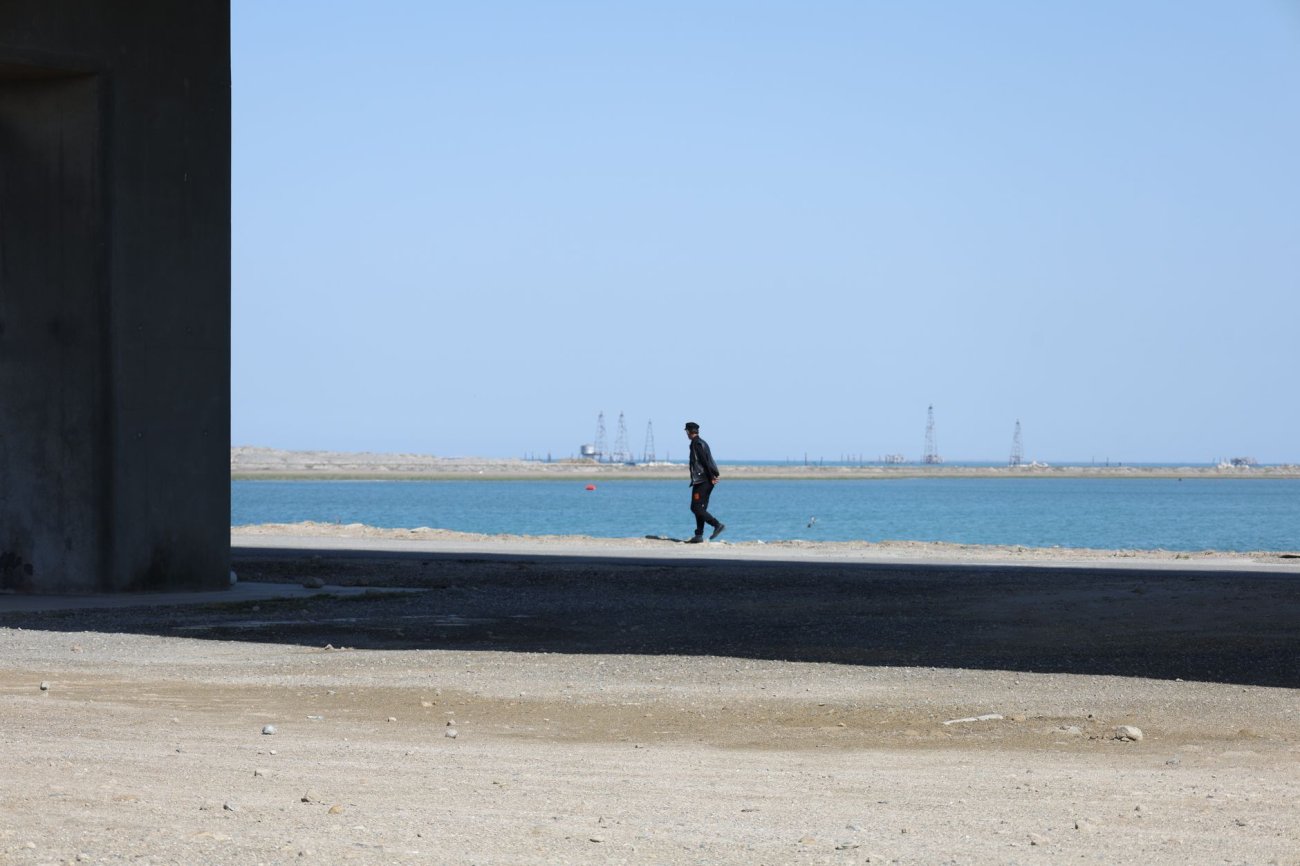
In a significant development amidst escalating tensions in the Middle East, Iran has announced that its negotiations with Oman regarding the strategic Strait of Hormuz are proceeding with optimism. The talks come at a crucial juncture following a recent incident involving an attack on a commercial vessel in the Red Sea, which has heightened global concerns over maritime security in the region.
Iranian Foreign Minister Hossein Amir-Abdollahian expressed a hopeful outlook on the discussions, stating, "We are witnessing positive progress, and a potential agreement is on the horizon if all parties remain committed to constructive dialogue." The Strait of Hormuz is a vital artery for global oil shipments, and any disruption can have ripple effects on international markets, especially for energy-dependent economies, including those in Africa.
The discussions with Oman, a key mediator in the region, aim to ease the strain on the critical shipping lane where previous tensions have sometimes led to confrontations. Oman has historically served as a diplomatic bridge, and its involvement in the talks underscores the gravity of the situation. An Omani official, speaking on condition of anonymity, confirmed the cooperative nature of the dialogue, saying, "Both Iran and Oman are dedicated to ensuring the safety and security of the maritime routes that are crucial to the world's energy supply."
Meanwhile, the United States, which has a strategic interest in maintaining open navigation through the strait, has been monitoring the situation closely. A senior U.S. State Department official remarked that a resolution would be a welcome development for international trade and security. "A sustainable agreement between Iran and Oman would not only stabilize this key region but also contribute to broader economic stability globally," the official noted.
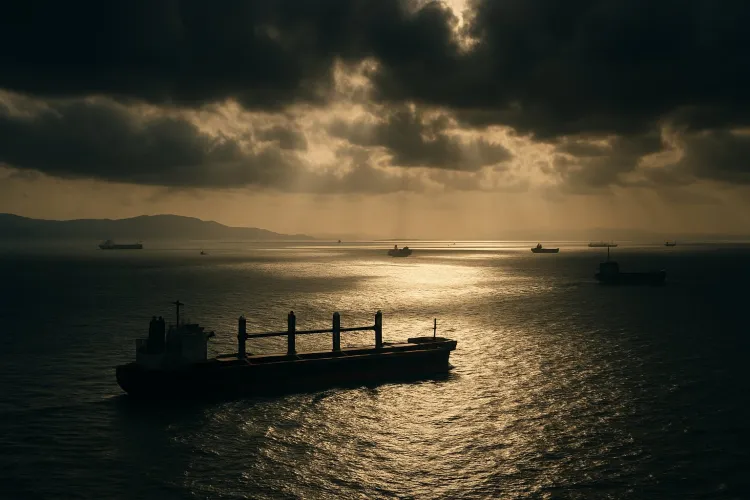
The backdrop of these talks is the recent attack on a commercial vessel in the Red Sea, which left several injured and has been attributed to increasing regional hostilities. While no group has claimed responsibility, the incident has sparked concern over the safety of international shipping lanes. The Red Sea, like the Strait of Hormuz, is a critical conduit for global trade, linking Europe to Asia, and any threats to its security could disrupt supply chains worldwide.
As the world watches the outcome of the Iran-Oman negotiations, there is a heightened focus on how these developments impact the global economy, particularly in terms of energy prices and trade routes. For developing nations, including those in Africa, who rely heavily on stable oil prices and secure maritime routes for the importation of goods, the stakes are particularly high.
Looking ahead, the international community will be keeping a keen eye on the results of these talks and their implications. The potential for a diplomatic breakthrough offers a glimmer of hope in an otherwise tense regional landscape. Observers agree that the success of these negotiations could serve as a template for resolving other conflicts in the Middle East, promoting peace and stability in the region.




Comments
No comments yet — be the first.