
US Democrats Oppose New USCIS Green Card Policy, Demand Withdrawal
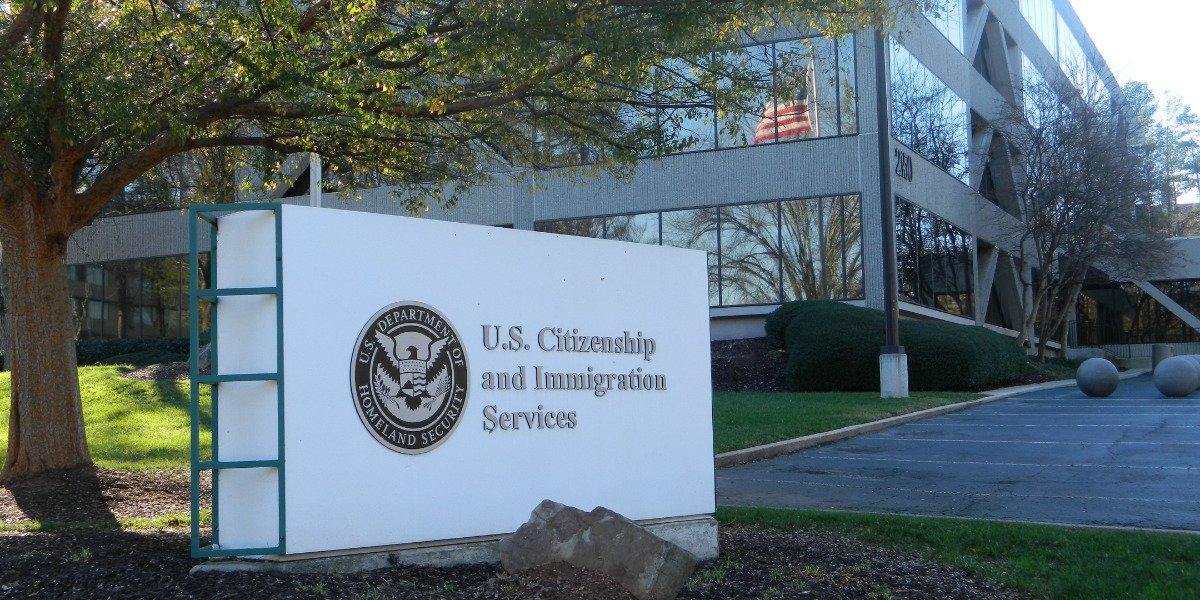
Congressional Democrats have urged US Citizenship and Immigration Services (USCIS) to withdraw new guidance that changes how green card applications are handled, arguing that it conflicts with US immigration law and long-established practice.
In a letter to USCIS Director Joseph Edlow, Democratic lawmakers criticised a recent agency memorandum that changes how adjustment of status applications are considered. Adjustment of status allows eligible non-citizens already in the United States to apply for permanent residence without leaving the country.
Under the new guidance, USCIS describes the process as an "extraordinary form of relief" and instructs officers to favour consular processing overseas unless there are limited reasons to approve an application from within the United States. Although the law has not changed, lawmakers argue that the guidance creates a new discretionary barrier that is unclear and unnecessary.
The policy could have significant consequences for students, temporary workers and other non-immigrants. The Trump administration has maintained that temporary visas are intended for limited stays rather than as a route to permanent residence.
However, Democrats argue that Congress created adjustment of status to give eligible applicants already in the United States a way to obtain permanent residence without the disruption and uncertainty of completing the process abroad. They also note that Congress has always introduced restrictions on eligibility through legislation rather than administrative guidance.
The lawmakers strongly rejected the agency's interpretation of the law. Referring to the memorandum, they wrote: "Adjustment of status 'is a matter of discretion and administrative grace not designed to supersede the regular consular processing of immigrant visas.' This is simply incorrect."
They argue that the legislative history shows Congress intended adjustment of status to be the preferred process for people who are already lawfully present in the United States. The guidance could also affect applicants enrolled in research programmes, long-term degree courses or jobs that require them to remain in the United States throughout the application process.
It also shortens the post-study grace period and raises questions about how applicants with dual-intent visas, which allow temporary residence while pursuing permanent residence, will be assessed. A footnote in the memorandum states that lawful status alone will not guarantee a favourable exercise of discretion, creating further uncertainty for applicants.




Comments
No comments yet — be the first.