
Oversupply Extends Decline in Kenyan Apartment Prices to Fourth Quarter
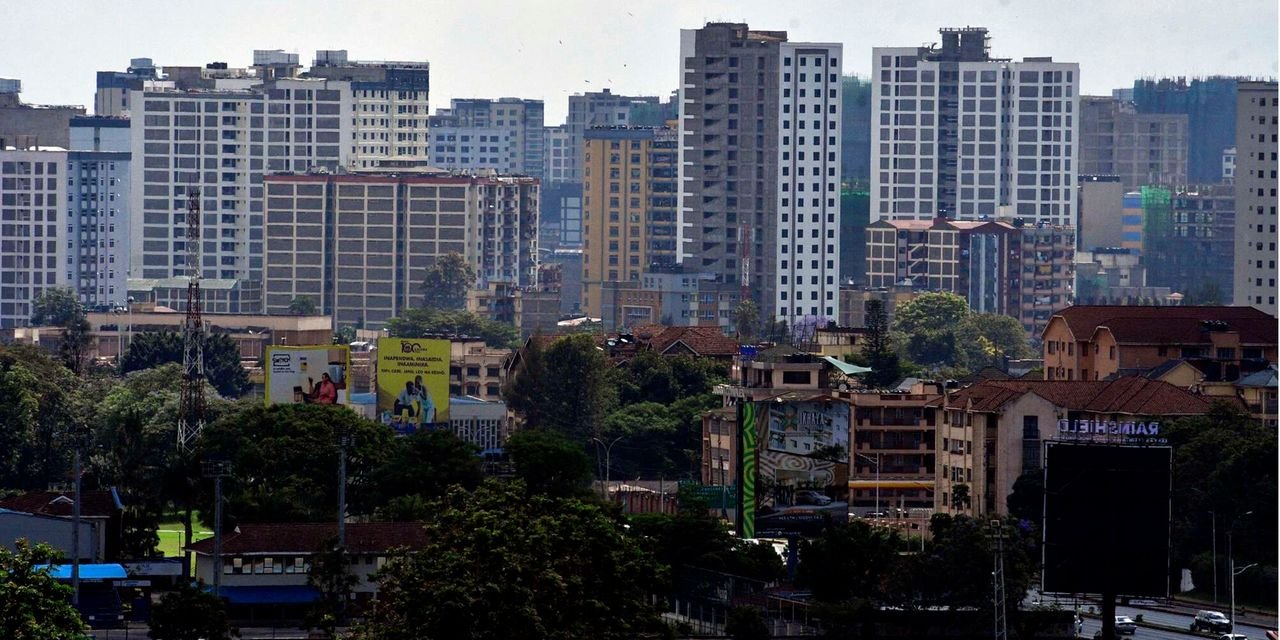
Apartment prices in Kenya fell for the fourth consecutive quarter in the year to March, while the value of standalone homes continued to rise, according to the latest data from the Kenya National Bureau of Statistics (KNBS).
KNBS said the average price of apartments declined by 3 per cent over the year to March, extending a trend seen in 13 of the past 15 quarters. The steepest declines were recorded in Nairobi's high-end neighbourhoods, where prices fell by 4.8 percent, while apartments in middle-income estates dropped by 3.3 percent.
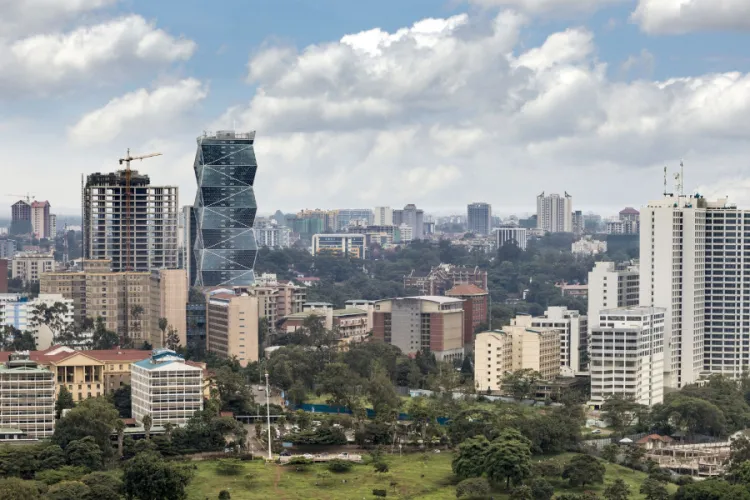
The continued decline reflects several years of extensive apartment construction, particularly in suburbs such as Kilimani, Kileleshwa and Parklands, where zoning changes have encouraged higher-density developments. The resulting oversupply has left many developers offering discounts and more flexible payment plans to attract buyers and reduce unsold stock.
In contrast, demand for standalone homes has remained strong. Prices for maisonettes, bungalows and villas increased by 8.5 percent in the year to March, contributing to an overall 4.8 per cent rise in residential property values. Limited supply, combined with the high cost of acquiring land, has made these properties increasingly scarce and pushed prices higher.
A KNBS survey shows that more than 63 percent of prospective homeowners prefer bungalows, while fewer than 10 per cent favour apartments. Sakina Hassanali of HassConsult said the limited supply of standalone homes reflects the high capital required to develop them. She said demand remains strong despite the shortage, supporting continued price growth.
The gap between the two segments is also affecting investment returns. Apartment owners in Nairobi have experienced falling property values, while residential properties outside the capital recorded price growth of 7.5 percent. Demand has been stronger in satellite towns, where developers have greater access to affordable land and can build quality standalone homes that appeal to buyers seeking more space and privacy.
The shift in prices is also reflected in mortgage lending. Lower apartment prices reduced the average mortgage size for the first time in seven years. Central Bank of Kenya data shows the average mortgage fell to Sh9 million in 2024 from Sh9.4 million a year earlier.
Although the number of mortgage accounts increased to 30,016, access to housing finance remains limited despite lower lending rates. The latest figures point to a housing market moving in different directions.





Comments
No comments yet — be the first.